
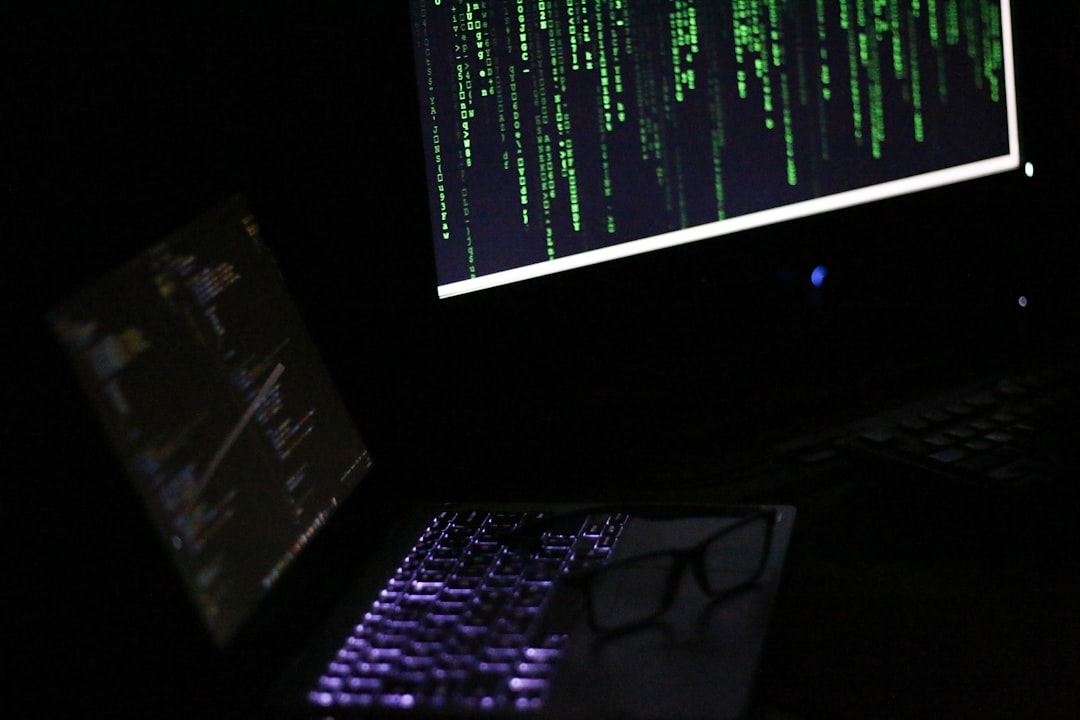
In a surprising revelation, the Federal Bureau of Investigation (FBI) is currently investigating a cyber intrusion targeting its wiretap and surveillance systems. According to a CNN report, hackers managed to break into the FBI’s networks, potentially compromising sensitive law enforcement operations. This incident raises urgent questions about the security of critical government infrastructures that safeguard national security.
Understanding how this breach occurred, what systems were impacted, and the broader implications can help organizations—public or private—better appreciate the importance of cybersecurity defenses. This article examines the event using clear, practical insights and draws lessons from the challenges faced.
How Did Hackers Breach the FBI’s Surveillance Systems?
While the FBI has not disclosed full technical details, the report indicates that hackers gained unauthorized access to networks involved in wiretapping and monitoring communications. Typically, these networks consist of specialized hardware and software designed for real-time interception and data collection, used under strict legal oversight.
Wiretap and surveillance systems are complex arrangements that require stringent access controls and secure communication protocols. Breaching such systems often involves exploiting software vulnerabilities, misconfigurations, or social engineering tactics that trick authorized personnel.
Think of these systems like a high-security bank vault designed to open only with certain codes and keys, yet when hackers find a backdoor or cloned key, they gain entry without triggering alarms. In this case, the hackers reportedly bypassed some cybersecurity defenses, raising alarms about potential exposures in the FBI’s digital infrastructure.
What Are Wiretap and Surveillance Systems?
Wiretapping involves legally intercepting telephone and internet communications for investigative purposes. Surveillance systems often collect and analyze this data to detect threats or crimes. Security for these systems hinges on encryption, strict user authentication, auditing, and isolated networking to prevent leaks.
Typically, such systems are isolated from public internet access to minimize risk, but operational needs can sometimes require interconnected networks, creating potential vulnerabilities similar to leaving a window open in an otherwise locked house.
What Could This Breach Mean for National Security?
This incident challenges the common assumption that government intelligence networks are impervious to cyber attacks. It highlights how sophisticated hackers are able to infiltrate even the most secure environments. Given the sensitivity of intercepted communications, unauthorized access could jeopardize ongoing investigations, endanger intelligence sources, and disrupt law enforcement activities.
Maintaining trust in critical surveillance systems is essential to national security. Such breaches can erode public confidence and complicate legal oversight if evidence collection is compromised.
When Should Agencies Upgrade Cybersecurity Measures for Surveillance Systems?
Incidents like this emphasize the need for continuous evaluation of security protocols. Agencies should perform regular penetration testing, patch known software vulnerabilities promptly, and implement zero-trust architectures that assume no implicit trust inside the network.
Upgrading cybersecurity is not a one-time fix; it demands diligent monitoring, employee training, and adapting to new threat landscapes. Like upgrading home security after a break-in attempt, federal agencies must reinforce defenses proactively.
Key Recommendations
- Implement multi-factor authentication for all critical access points
- Regularly audit and update software and hardware to address vulnerabilities
- Train relevant personnel on social engineering risks and incident response
- Isolate surveillance systems from less secure networks where possible
- Monitor network logs continuously for unusual activities
What Lessons Can Organizations Learn from the FBI Hack?
This breach serves as a concrete example of how even the most security-aware institutions can face serious threats from determined attackers. System complexity, legacy components, and user errors can all create weak points.
For companies and agencies alike, it’s crucial to take a holistic approach to cybersecurity—understanding that no system is invulnerable but that thorough risk management can minimize impact and exposure.
Think of security as layers of defense rather than a single locked door. Each layer reduces the chance of intruders succeeding. When one fails, others can detect and stop the attack before serious damage occurs.
Evaluating Your Own Security in 10 Minutes
Here is a quick checklist to evaluate your organization’s security posture inspired by lessons from the FBI breach:
- Do you enforce strict access controls on sensitive systems?
- Is multi-factor authentication enabled everywhere important credentials are used?
- Are your systems regularly updated and patched against known vulnerabilities?
- Do employees receive regular cybersecurity awareness training?
- Is network activity continuously monitored and analyzed?
This quick assessment can uncover glaring weak points that need immediate attention.
In summary, the FBI wiretap system breach shows the persistent challenges in protecting high-value targets against increasingly sophisticated cyber attacks. It underscores that security is a constantly evolving discipline requiring vigilance, adaptability, and layered defenses.
By approaching cybersecurity pragmatically and learning from such incidents, organizations can better guard their critical assets and maintain operational integrity in an uncertain threat environment.
Technical Terms
Glossary terms mentioned in this article













Comments
Be the first to comment
Be the first to comment
Your opinions are valuable to us