
The Journey of Autonomous Driving: Bold Promises vs. Practical Realities
The ambition behind autonomous vehicles is nothing short of transformative. Tesla's Autopilot system, once hailed as a leap towards fully self-driving cars, has faced growing scrutiny due to safety concerns and regulatory investigations. Simultaneously, Waymo's advanced self-driving technology is under the lens of the National Transportation Safety Board (NTSB), raising questions about the maturity and reliability of autonomous systems in everyday traffic.
Understanding the strengths and pitfalls of these technologies is crucial for anyone looking to grasp where the automotive industry stands today—and what challenges lie ahead.
How Does Tesla Autopilot Work and Why Is It Facing Criticism?
**Tesla Autopilot** is a driver-assistance system that combines adaptive cruise control, lane centering, and some degree of environmental awareness through cameras, radar, and ultrasonic sensors. However, despite the advanced branding, it is important to note that Autopilot is not a fully autonomous driving solution but a Level 2 system according to SAE International standards, which require constant driver supervision.
In recent years, Tesla’s approach of rolling out frequent software updates has allowed its fleet to improve over time. Yet, several incidents involving crashes and near-misses have sparked investigations and raised public debates on whether the technology is over-promised and under-delivered.
What Are the Technical Trade-Offs of Tesla’s Approach?
Tesla's heavy reliance on cameras instead of LIDAR sensors, which many competitors use for precise 3D mapping, presents both advantages and drawbacks. Cameras are cheaper and scalable, but they struggle in adverse weather and complex visual scenarios. Their software uses neural networks to interpret the imagery, which requires vast amounts of data and occasional manual intervention to correct unforeseen errors.
The trade-offs include the risk of misinterpreting roadside objects or sudden changes in traffic flow, which can cause the system to fail unexpectedly. Tesla’s firmware updates attempt to address these, but the inherent limitations of sensor types and processing still pose significant challenges. Hence, the driver must remain alert, a fact sometimes undermined by Tesla’s marketing that can lead to complacency.
What Is the NTSB Investigating About Waymo, and What Does It Mean for Self-Driving Cars?
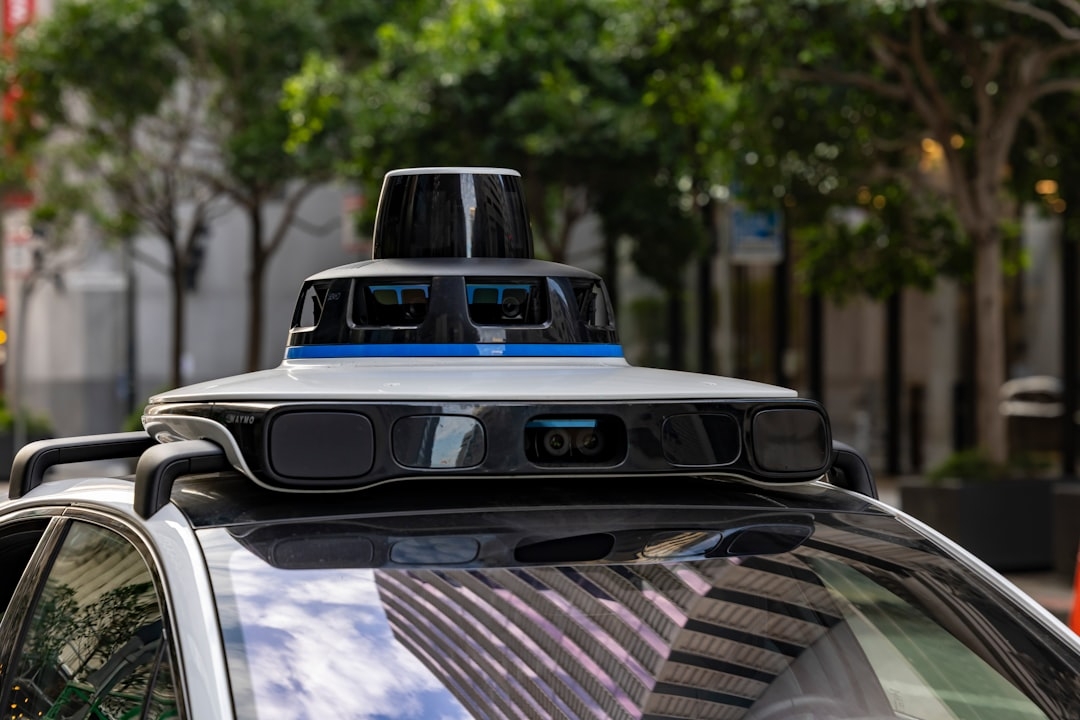
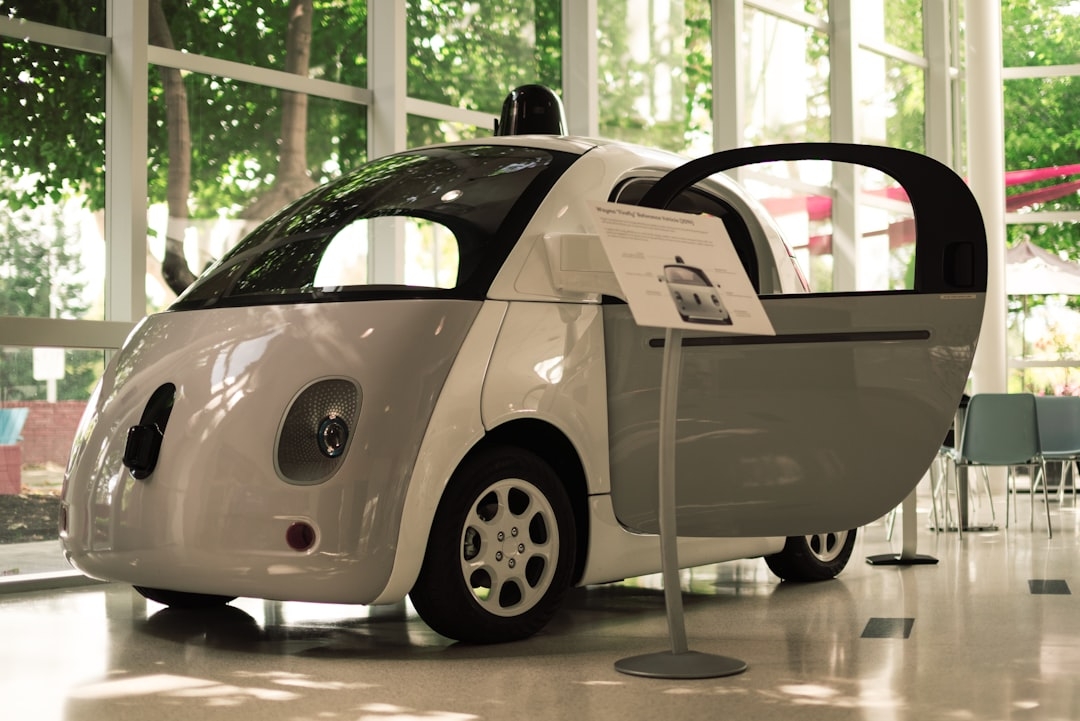
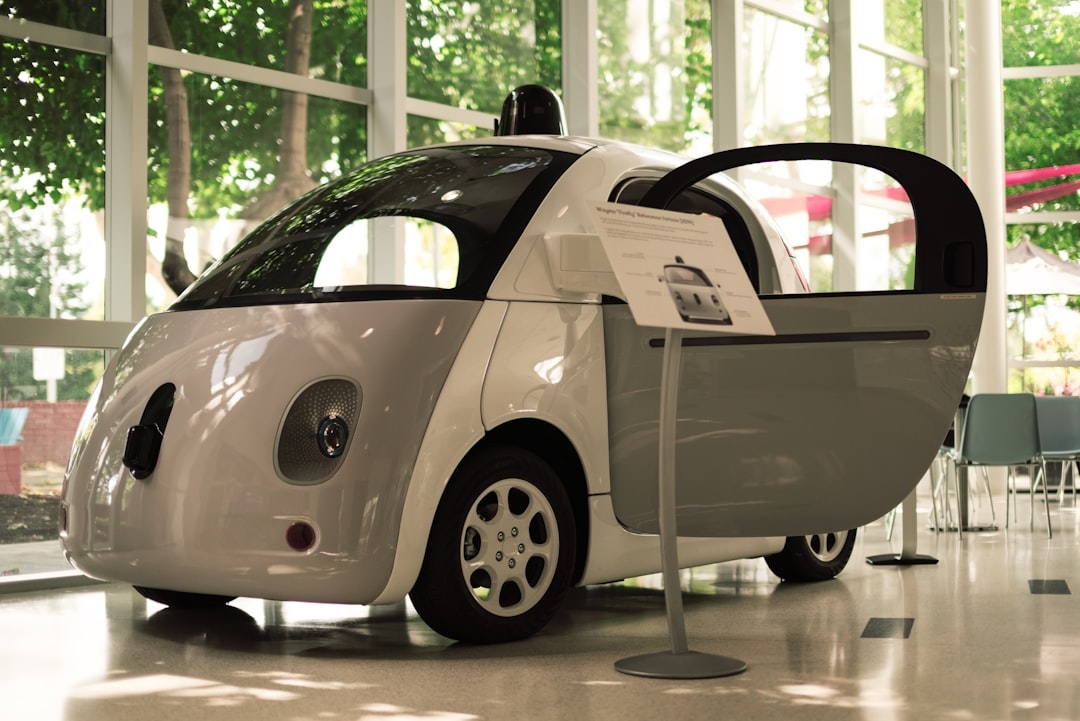
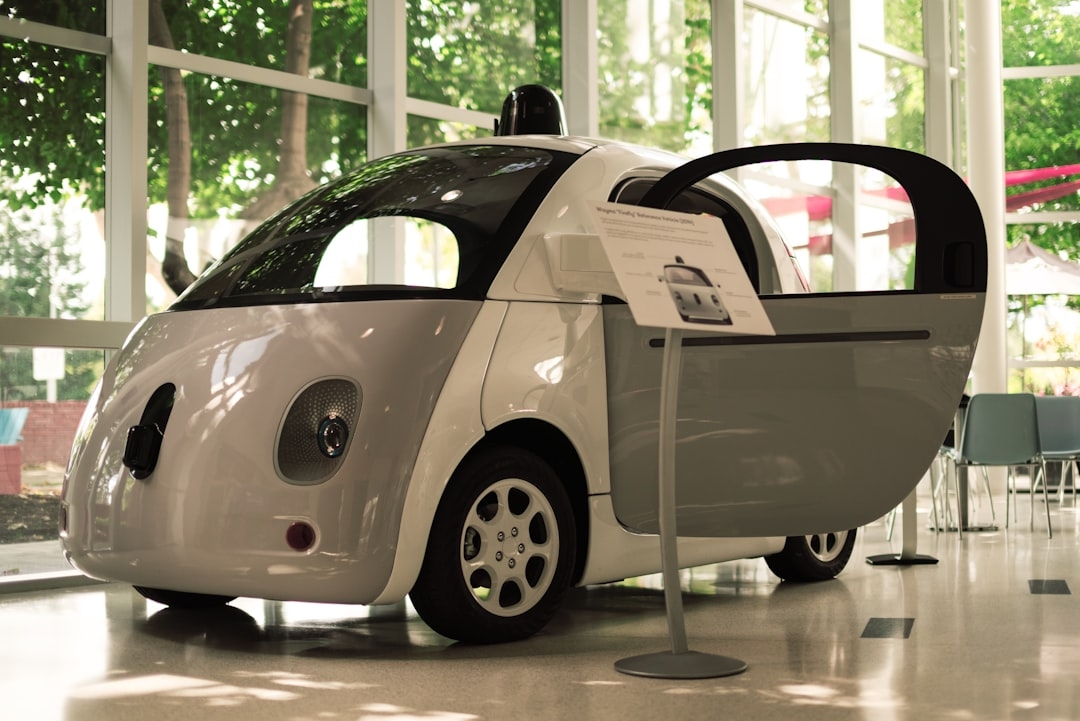
The NTSB's investigation into Waymo, Alphabet’s autonomous driving unit, centers on recent collisions involving Waymo’s vehicles operating in fully autonomous mode (Level 4). Unlike Tesla Autopilot, Waymo aims for cars that require little to no human oversight within limited geographic zones and conditions.
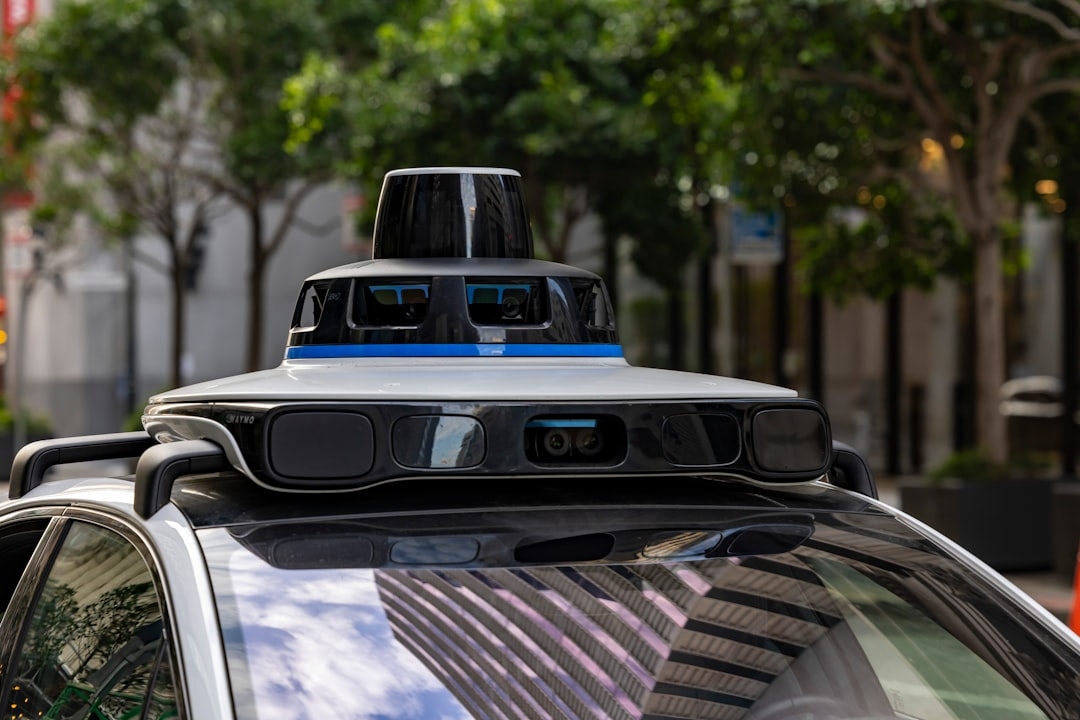
Waymo uses a mix of LIDAR, cameras, radar, and highly detailed 3D maps to navigate, which theoretically provides a more robust sensing suite. However, the investigation highlights how even these systems struggle in complex, dynamic driving environments, especially in mixed traffic with unpredictable human drivers and pedestrians.
Why Do Fully Autonomous Systems Still Face Real-World Failures?
Autonomous driving involves not just perception but decision-making in uncertain scenarios. For example, distinguishing whether a pedestrian will wait or jaywalk, or interpreting complex traffic signals, requires context beyond mere sensor input. Waymo’s system tries to address this with artificial intelligence and redundancies but every real-world deployment reveals corner cases that challenge even the best algorithms.
The NTSB inquiry serves as a reminder that no autonomous vehicle is foolproof yet, especially in the chaotic environment of public roads. These inquiries aim to improve safety protocols, update regulatory frameworks, and push technology providers to recognize limitations.
Quick Reference: Key Takeaways on Tesla Autopilot and Waymo Investigations
- Tesla Autopilot is an advanced driver-assistance system but not fully autonomous; driver attention remains critical.
- Tesla’s camera-centric approach offers scalability but faces challenges in complex or adverse conditions.
- Waymo targets Level 4 autonomy with multi-sensor setups and limited operational domains but still encounters real-world difficulties.
- The NTSB investigations underline that current self-driving technologies are far from perfect and require cautious deployment.
When Should You Trust Autonomous Driving Technologies?
Trust in autonomous systems should be based not on hype but on clear understanding of their capabilities and limitations. For Tesla Autopilot, use it strictly as an aid requiring attentive supervision—not a hands-free autopilot. For Waymo or similar fully autonomous services, trust is bounded by operational design domains (ODDs): only use these vehicles in certified zones and conditions.
Consumer awareness is vital. Recognizing the gap between “driver-assist” and “fully-autonomous” helps manage expectations and encourages more responsible use. Overestimating autonomy risks accidents and legal complications.
What Finally Works in Autonomous Mobility? The Hard Realities and Pragmatic Solutions
Successful autonomous systems excel through:
- Robust sensor fusion combining cameras, LIDAR, and radar.
- Clear operational design domains (ODD) limiting where and when vehicles can operate autonomously.
- Human supervision and fail-safe mechanisms that intervene when the system encounters unexpected scenarios.
Companies that openly communicate limitations and emphasize driver responsibility build more sustainable, safe adoption paths. Incremental improvements and operator training complement technology in reducing risks effectively.
Checklist: Decide Your Approach to Autonomous Driving Technology
- Assess your need for driver assistance versus full autonomy.
- Review the level of autonomy offered and the required human interaction (Level 2 vs Level 4).
- Consider environmental factors where you drive—weather, traffic, road complexity.
- Check regulatory and insurance implications of using the system in your area.
- Understand support and update policies from your vehicle or service provider.
Completing this checklist in about 15-25 minutes helps align expectations and use technology responsibly.
Conclusion
The path to autonomous driving is littered with challenges, not least Tesla Autopilot’s current limitations and the complications highlighted by Waymo’s NTSB investigations. For consumers and industry watchers alike, appreciating these real-world constraints is vital. Autonomous vehicles are progressing, but the trade-offs between ease of use, safety, and technology maturity remain significant.
Being informed, skeptical of marketing hype, and cautious with adoption helps ensure safety as the automotive landscape evolves. In this transitional phase, human vigilance is the best co-pilot any technology can have.
Technical Terms
Glossary terms mentioned in this article

Comments
Be the first to comment
Be the first to comment
Your opinions are valuable to us