
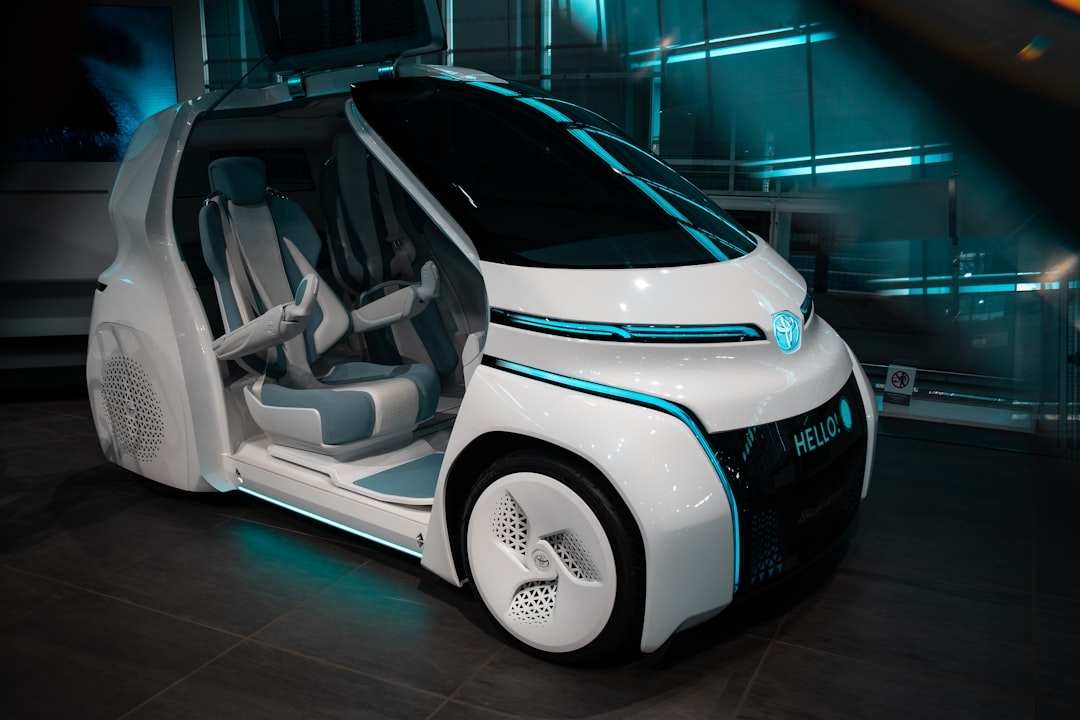
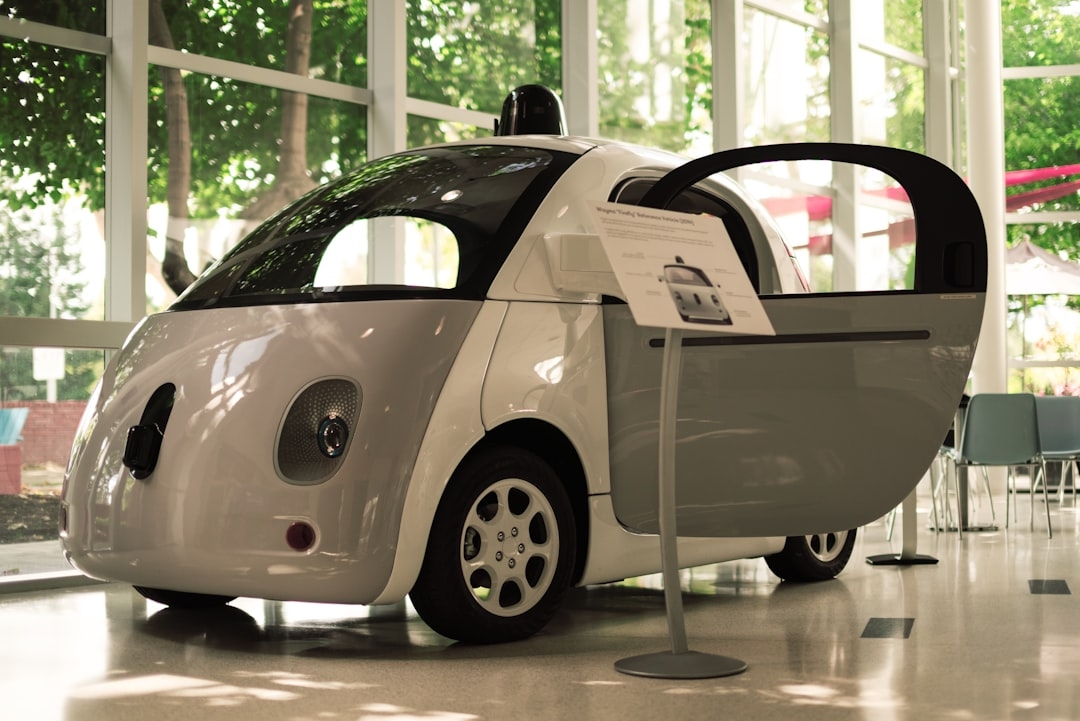
New York just took a bold step toward automated transportation. The governor has cleared the way for commercial robotaxis to operate throughout the state—but with one notable exception: New York City. This decision speaks volumes about the complex challenges of integrating self-driving technology in densely populated urban areas versus suburban and rural regions.
Autonomous vehicles, or robotaxis, promise to revolutionize how people move, offering convenience and efficiency without a human driver. Yet, New York City’s exclusion from this legislation highlights the nuanced realities behind deploying such technology.
Why Is New York City Excluded from Robotaxi Legislation?
For many, it’s tempting to think that introducing robotaxis everywhere is just a matter of regulatory approval. But New York City’s chaotic, congested streets present unique obstacles that aren’t easily solved by current autonomous systems.
New York City has some of the most complex traffic scenarios in the world—pedestrians stepping off sidewalks unexpectedly, bicyclists weaving through lanes, constant construction, and erratic traffic patterns. These factors drastically increase the difficulty for autonomous driving systems, which rely on sensors and algorithms to navigate safely.
This is why the governor and state lawmakers chose to exclude New York City from the proposed robotaxi legislation. They recognize that rushing deployment in this environment could compromise public safety and fuel mistrust in autonomous technology.
How Do Robotaxi Rules Affect the Rest of New York State?
Outside New York City, the landscape is quite different. Suburban and rural areas generally offer simpler road networks and less unpredictable traffic behavior. These conditions are far more conducive to the early-stage deployment of robotaxis.
By legalizing robotaxis statewide but excluding New York City, lawmakers are effectively allowing companies to test and scale autonomous taxi services in areas where the technology can perform reliably. This phased approach reflects a pragmatic balance between innovation and caution.
Technical Terms Explained
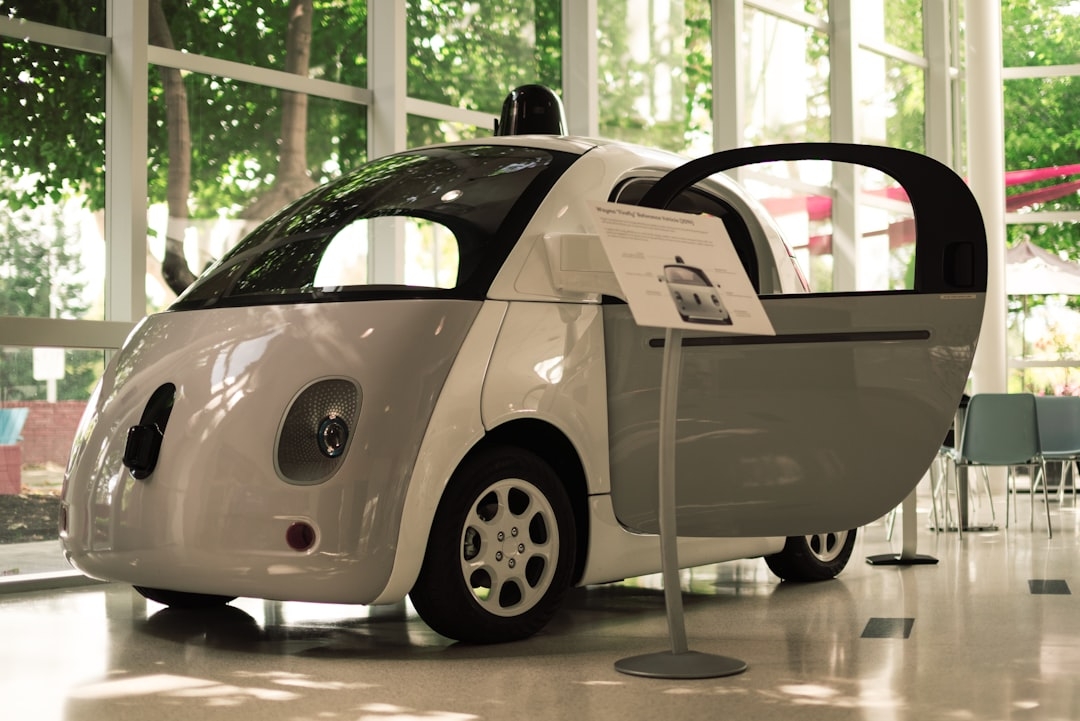
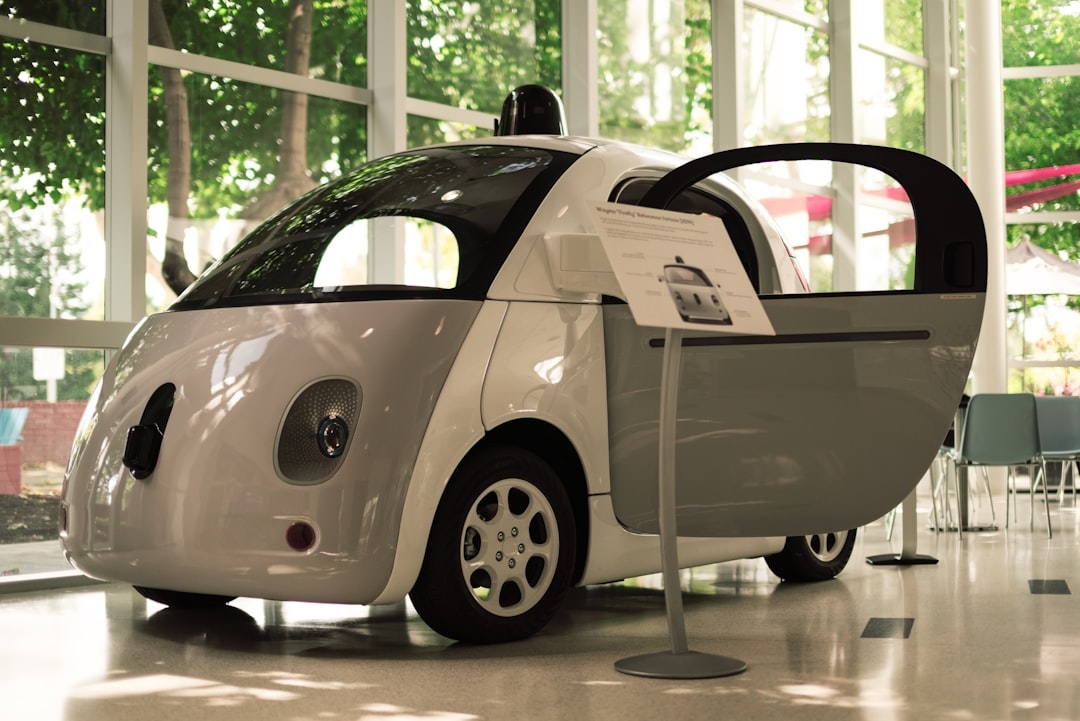
- Robotaxi: An autonomous vehicle offering taxi-like services without a human driver.
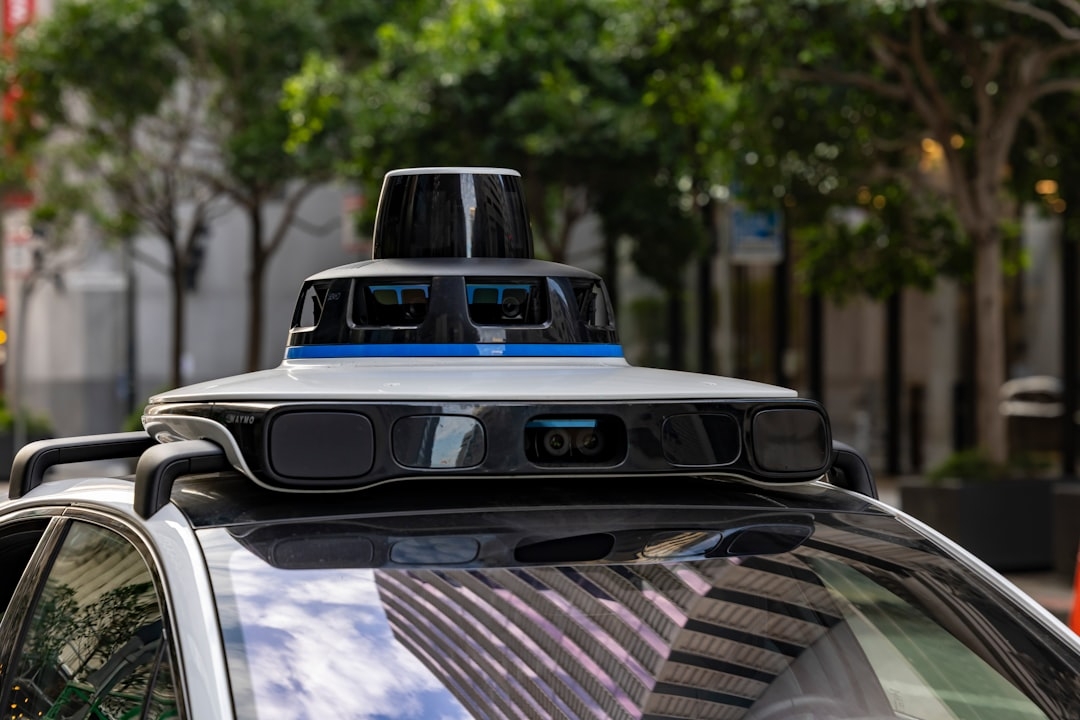
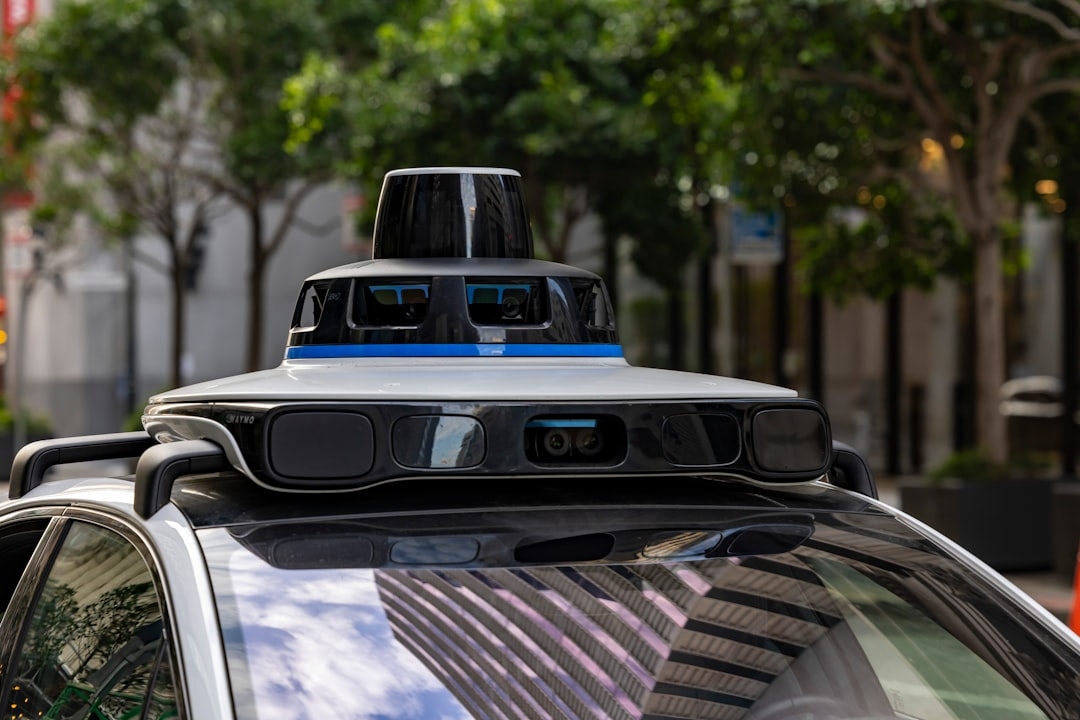
- Autonomous Driving Systems: A combination of hardware (cameras, LIDAR, radar) and software (machine learning algorithms) that enables a vehicle to navigate without human input.
What Are the Implications of This Decision for New Yorkers?
On one hand, residents and businesses in areas outside New York City will soon see the benefits of robotaxis: reduced wait times, lower costs, and increased mobility options—especially in places underserved by public transit.
On the other hand, New Yorkers living in the city itself won’t have access to commercial robotaxis under this legislation. They will remain dependent on traditional taxis, rideshares, and public transportation for now.
Trade-Offs to Consider
- Safety vs. Innovation: Prioritizing caution in high-risk environments like NYC streets helps avoid accidents and preserves public trust.
- Access vs. Readiness: The state enables robotaxis where they are likely to succeed early, but delays introduction in NYC where technology requires more development.
Are Robotaxis Ready for New York City’s Streets?
Despite advancements, robotaxis still struggle with certain real-world situations common in New York City. Like a human driver missing a pedestrian’s sudden movement, autonomous systems can be caught off guard by unpredictable behavior or sensor limitations—especially in crowded urban settings with many moving parts.
Companies have reported challenges in similarly complex environments, sometimes pulling back services after incidents or system failures. This experience backs the state’s cautious approach, focusing rollouts on less demanding environments first.
How Will This Legislation Shape the Future of Transportation?
Legalizing robotaxis statewide—but purposely excluding NYC—sets a clear precedent for responsible, measured autonomous vehicle deployment. It acknowledges the technology’s potential without sacrificing safety or public confidence.
We can expect autonomous taxi services to gradually expand beyond initial rollout areas as the technology matures. New York City may eventually join this future once robotaxis can confidently handle its challenges.
What Should Stakeholders Watch Next?
- Progress in autonomous technology addressing crowded urban scenarios.
- Regulatory updates that might open NYC to robotaxi services in the future.
- Real-world operational data from initial rollouts across New York State.
Decision Checklist: Is Robotaxi Deployment Right for Your Area?
If you’re evaluating robotaxi opportunities—whether as a policymaker, business, or resident—here’s a simple decision matrix to consider:
- Traffic Complexity: Does your area have consistent, predictable traffic patterns?
- Pedestrian Density: Are pedestrian movements relatively controlled and easy to anticipate?
- Infrastructure: Are road signs, markings, and signals clear and well-maintained?
- Public Readiness: Is the community open to autonomous vehicle adoption?
- Safety Records: Are there precedents or pilot studies showing safe and successful robotaxi operation?
Spend 15-25 minutes answering these questions. If most responses are positive, robotaxis might be a viable option in your region. If not, prioritizing incremental improvements and safety must come first.
The state’s decision reflects exactly this balance—a step forward where feasible, a hold where necessary. Robotaxis will transform transportation, but success depends on respecting local conditions and pacing innovation responsibly.
Technical Terms
Glossary terms mentioned in this article



Comments
Be the first to comment
Be the first to comment
Your opinions are valuable to us