
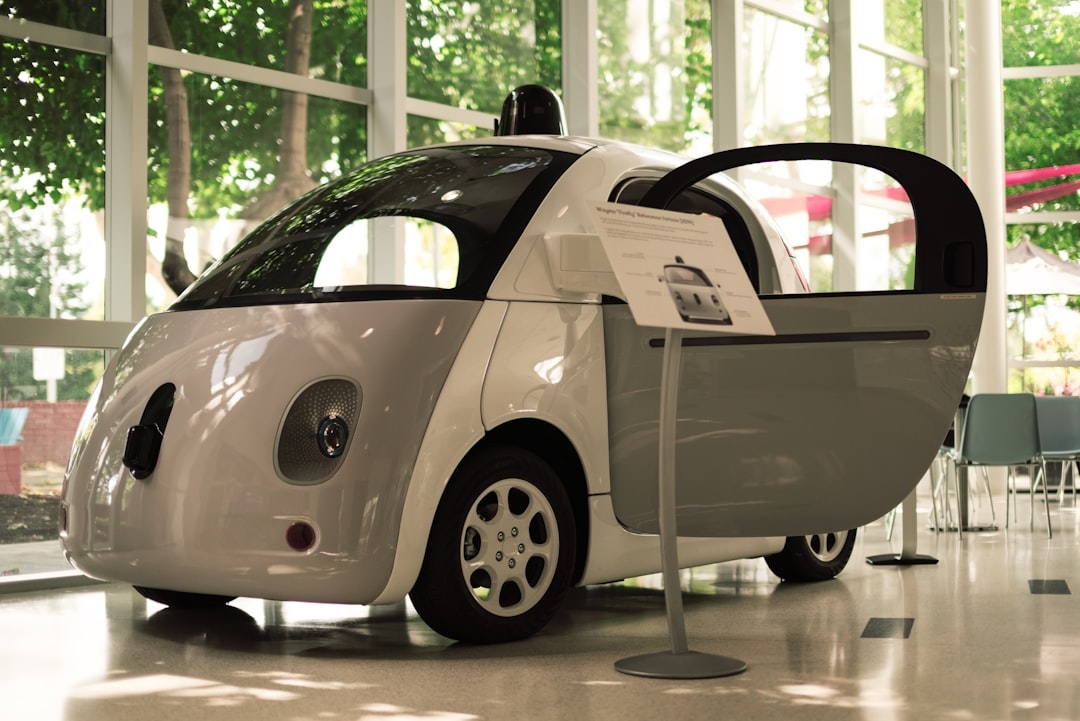
Can you really hail a completely driverless taxi in Miami today? Waymo, a leader in autonomous vehicle technology, has opened its driverless robotaxi service to the public in Miami, marking a key milestone in urban mobility. This deployment covers a 60-square-mile area with plans to extend service to Miami International Airport soon.
For those considering using autonomous rideshare options, this new development raises practical questions: How does Waymo’s service work with no human driver behind the wheel? What can customers expect in terms of safety, convenience, and limitations? And how does this compare to other mobility options?
How Does Waymo's Driverless Robotaxi Service Work?
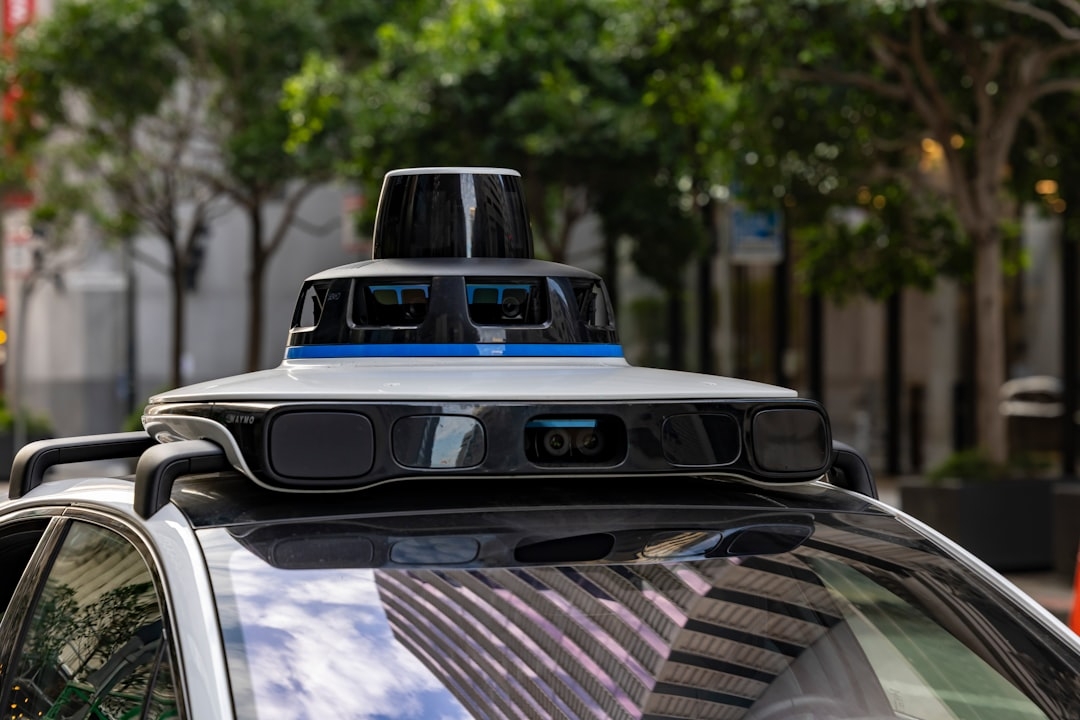
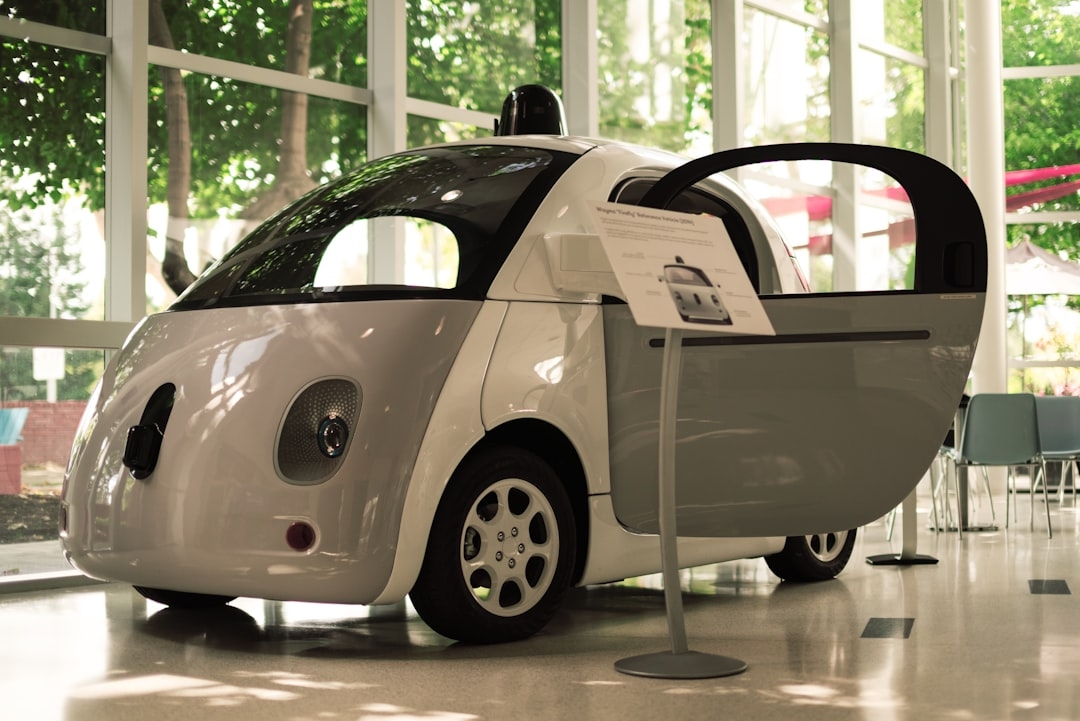
Waymo’s robotaxi service is powered by fully autonomous vehicles equipped with sensors, cameras, and software that allow them to navigate urban streets without a human driver. The technology behind these vehicles involves a blend of machine learning algorithms, high-definition maps, and real-time data processing to recognize traffic signals, pedestrians, and other road users.
Users can request rides via the Waymo app, specify their pick-up and drop-off points within the service area, and receive a self-driving car that arrives without a safety driver onboard. This contrasts with earlier pilots where safety operators were present as a fallback.
Technical Terms Explained
- Robotaxi: A taxi vehicle operated entirely by autonomous systems without a human driver.
- Autonomous Vehicle: A vehicle capable of sensing its environment and operating without human intervention.
- Service area: The geographical zone—here, about 60 square miles—where the robotaxi operates.
What Are the Real-World Limitations and Trade-offs?
While the excitement around driverless taxis is justified, the technology is far from flawless on every street corner or in all weather conditions. Waymo’s service area in Miami has been carefully selected to include roads and traffic scenarios where their system performs reliably.
Trade-offs include:
- Limited coverage: The robotaxi service covers a defined 60-square-mile zone, meaning rides beyond this area aren’t currently supported, limiting some users' flexibility.
- Weather sensitivity: Heavy rain or unusual weather can impact sensors and vehicle decision-making, leading to service interruptions or reduced availability.
- Operational constraints: The system may avoid complex or unexpected scenarios, so it’s not yet truly omnipresent transport.
Despite these caveats, opening the service to the public allows real-world data collection and gradual refinement of the system for future expansion.
When Should You Consider Using Waymo’s Robotaxi Service?
If you live within or near the 60-square-mile service area of Miami, using Waymo’s robotaxi offers a glimpse of hands-free urban mobility. It’s particularly suitable for rides where safety drivers aren’t needed and where routes are well within the operational domain of the autonomous software.
However, if your trip requires flexibility beyond the coverage area or if you are traveling at times or in weather conditions that might reduce system reliability, traditional ride-hailing services or taxis remain more dependable.
Comparative Insights
- Cost: Waymo robotaxis aim to be competitive but may not always beat traditional rideshare prices.
- Convenience: Driverless rides eliminate driver-related delays but depend heavily on app and vehicle availability.
- Safety: Autonomous rides include advanced sensing but remain in testing phases that monitor real-world performance carefully.
Quick Reference: Key Takeaways on Waymo’s Miami Robotaxi Service
- Waymo has launched driverless robotaxi service open to the public over 60 square miles of Miami.
- The service area will expand to Miami International Airport in the near future.
- The fleet operates fully without onboard drivers, relying on sophisticated sensor arrays and AI software.
- Current limitations include weather sensitivity, coverage boundaries, and operational constraints.
- Users should weigh the convenience of driverless rides against coverage and reliability factors.
What Does This Mean for the Future of Urban Mobility?
Waymo’s public launch in Miami represents a concrete step toward widespread adoption of autonomous vehicles in daily life. The data and user feedback collected from this live environment will influence how quickly driverless taxis can scale to new cities and handle more complex urban scenarios.
While this technology is a promising alternative to traditional ridesharing, its real-world performance teaches us to approach driverless mobility with cautious optimism. Understanding trade-offs, variable conditions, and evolving capabilities is essential before fully trusting these systems for everyday travel.
How to Decide if Waymo Robotaxi is Right for You?
To evaluate whether to adopt Waymo robotaxi rides now, consider the following checklist:
- Are your frequent trip destinations inside the current 60-square-mile coverage zone?
- Do you travel during hours with reliable service availability?
- Is weather generally favorable during your rides (i.e., minimal heavy rain or storms)?
- Do you accept the possibility of occasional delays or ride cancellations due to system limits?
- Are you comfortable with technology as a primary driver rather than a human?
If most answers are yes, Waymo’s service provides a convenient, hands-off way to get around parts of Miami. If not, continue evaluating traditional or hybrid transport options while watching for future service expands.
In sum, Waymo’s Miami driverless robotaxi service is a practical test case shaping the future of autonomous urban transport, merging cutting-edge tech with real-world constraints to refine how people move in cities.
Technical Terms
Glossary terms mentioned in this article




Comments
Be the first to comment
Be the first to comment
Your opinions are valuable to us