
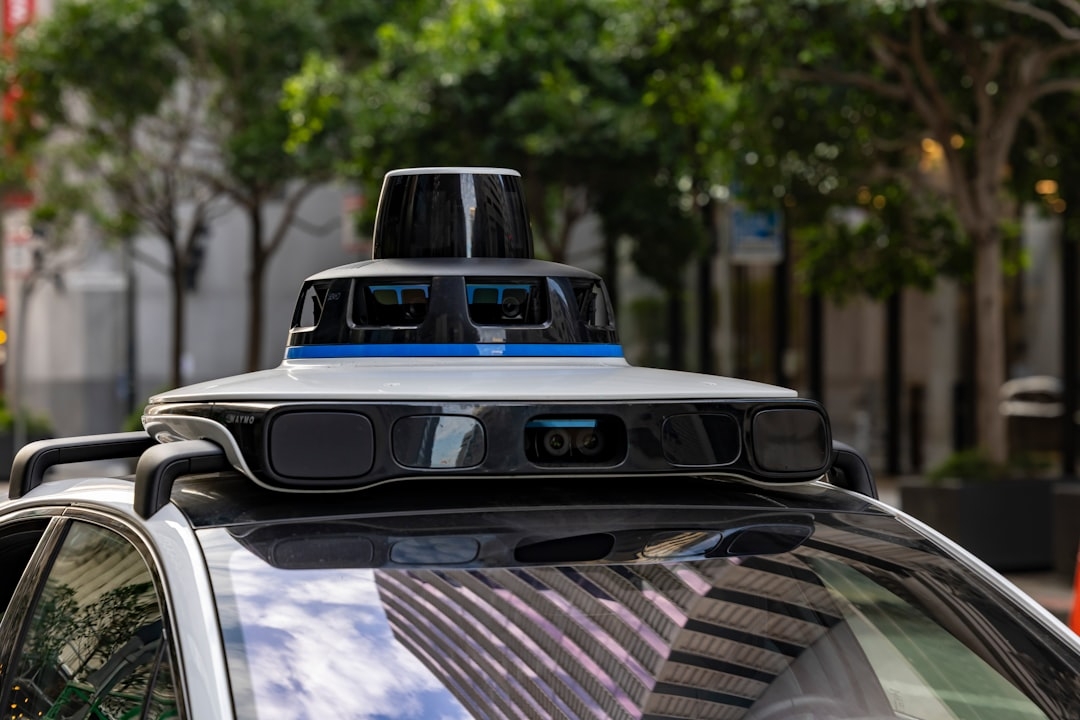
For years, Waymo and Uber have competed fiercely in the ride-hailing market, particularly in autonomous vehicle services. Waymo has traditionally held a price premium over Uber, reflecting its advanced self-driving technology and operational model. However, recent data analyzed by Obi reveals a significant narrowing of the price gap between these two giants, signaling a potential market shift that deserves closer scrutiny.
Understanding this trend is important not only for industry watchers but also for riders and businesses relying on autonomous transportation solutions. Price dynamics often reflect deeper operational efficiencies, market confidence, and technology maturity — all factors critical in shaping the future of mobility.
What Does Obi’s Data Reveal About the Price Shift?
Obi, an analytics firm specializing in transportation data, tracked and compared the fares for rides completed by Waymo and Uber across various urban markets. The study shows that, over recent months, the difference in average fares has decreased noticeably. While Waymo once charged a premium of about 20-30% higher than Uber, this margin is now consistently shrinking.
This change can be attributed to several factors:
- Operational optimization: Waymo may have improved its routing algorithms and vehicle utilization, lowering overall costs passed on to riders.
- Market competition: Uber, with its extensive driver network and high scale, applies downward pricing pressure, pushing Waymo to adapt.
- Regulatory and infrastructure advances: As cities become more welcoming to autonomous vehicles, operating costs may drop.
How Does Autonomous Ride-Hailing Pricing Work?
To grasp why price gaps matter, it’s essential to understand the pricing components of autonomous ride-hailing. Fares are built from several layers:
- Base cost and time charges: Calculated on distance and expected ride time.
- Operational costs: These include vehicle maintenance, software updates, and sensor monitoring.
- Technology investment: Companies like Waymo invest heavily in LIDAR sensors, AI models, and data centers, which affect fare pricing.
- Market dynamics: Supply-demand fluctuations, competitor pricing strategies, and subsidies influence final fares.
Understanding these components explains why autonomous ride fares traditionally came at a premium: cutting-edge tech and limited scale keep costs high.
When Should You Choose Waymo or Uber Based on Price and Service?
The narrowing price gap raises an important question: When is it better to opt for Waymo instead of Uber, and vice versa? The answer depends on priorities like ride experience, service availability, and cost sensitivity.
Waymo advantages:
- Fully autonomous rides in select cities
- Consistent vehicle quality with high safety standards
- Advanced route optimization coded into autonomous fleet
Uber advantages:
- Greater coverage with driver-driven and hybrid autonomous options
- Lower fare options through surge pricing and promotions
- Flexibility for spontaneous rides in less automated areas
Thus, riders prioritizing safety and the autonomous experience might lean toward Waymo, while cost-conscious consumers with less need for full automation may favor Uber.
Comparison Table: Pricing & Features of Waymo vs Uber
| Aspect | Waymo | Uber |
|---|---|---|
| Average Fare Premium | Traditionally 20-30% higher, now narrowing | Lower fares, aggressive promotions |
| Autonomy Level | Fully autonomous in select locations | Mostly driver-driven, some autonomous integration |
| Service Coverage | Limited to select urban areas | Wide global availability |
| Vehicle Quality | Consistent, upgraded fleet | Varies by driver |
| Booking Flexibility | App-based, scheduled rides preferred | On-demand and scheduled rides |
What Are the Challenges Behind Closing the Price Gap?
While the data suggests progress, challenges remain. Waymo faces high fixed costs associated with maintaining autonomous fleets and regulatory hurdles. Conversely, Uber's hybrid model benefits from human drivers but must tackle labor costs and driver availability.
Key challenges impacting prices include:
- Scaling technology: Cost-effective manufacturing and deployment of sensors and AI software.
- Infrastructure adaptation: Cities must upgrade roads, communications, and support systems for autonomy.
- Consumer trust: Adoption rates influence utilization and operational costs, indirectly affecting pricing.
How Can Riders and Industry Stakeholders Adapt to This Pricing Shift?
As price differences become negligible, consumers can leverage benefits from both platforms smarter. Here is a practical step-by-step approach:
- Track fare trends for your common routes regularly using fare comparison tools.
- Identify the availability of fully autonomous rides in your city or nearby locations.
- Weigh safety preferences against cost sensitivity for every trip.
- Experiment with booking both services to experience real differences.
- Provide feedback to both companies to shape future service scope and pricing.
This analysis also signals to investors and developers that autonomous technology is progressing to a more competitive pricing equilibrium, which could accelerate adoption.
Summary: What Does This Mean for the Future of Ride-Hailing?
The shrinking price gap between Waymo and Uber reflects more than just fare adjustments. It shows increasing maturity of autonomous technologies, aggressive strategies to capture market share, and evolving consumer expectations. While Waymo continues to invest heavily in futuristic tech, Uber’s flexible model forces a balancing act between cost-efficiency and scale.
For users, this trend means better prices without necessarily sacrificing quality or innovation. For industry watchers, it points to a fascinating phase where autonomous ride services become more accessible and normalized in everyday life.
Ready to Explore This Pricing Shift Yourself?
Here’s a quick task to try within 20-30 minutes:
- Pick a common route you travel (e.g., home to work).
- Using apps or online fare estimator tools, collect fare quotes from both Waymo and Uber at different times.
- Note any availability of autonomous rides versus human-driven options.
- Compare prices and service options side-by-side, looking for patterns.
- Document your findings and decide which service best suits your preferences at various price points.
This hands-on approach will deepen your understanding of the evolving autonomous ride market and help you make informed choices as a consumer.
Technical Terms
Glossary terms mentioned in this article



Comments
Be the first to comment
Be the first to comment
Your opinions are valuable to us