
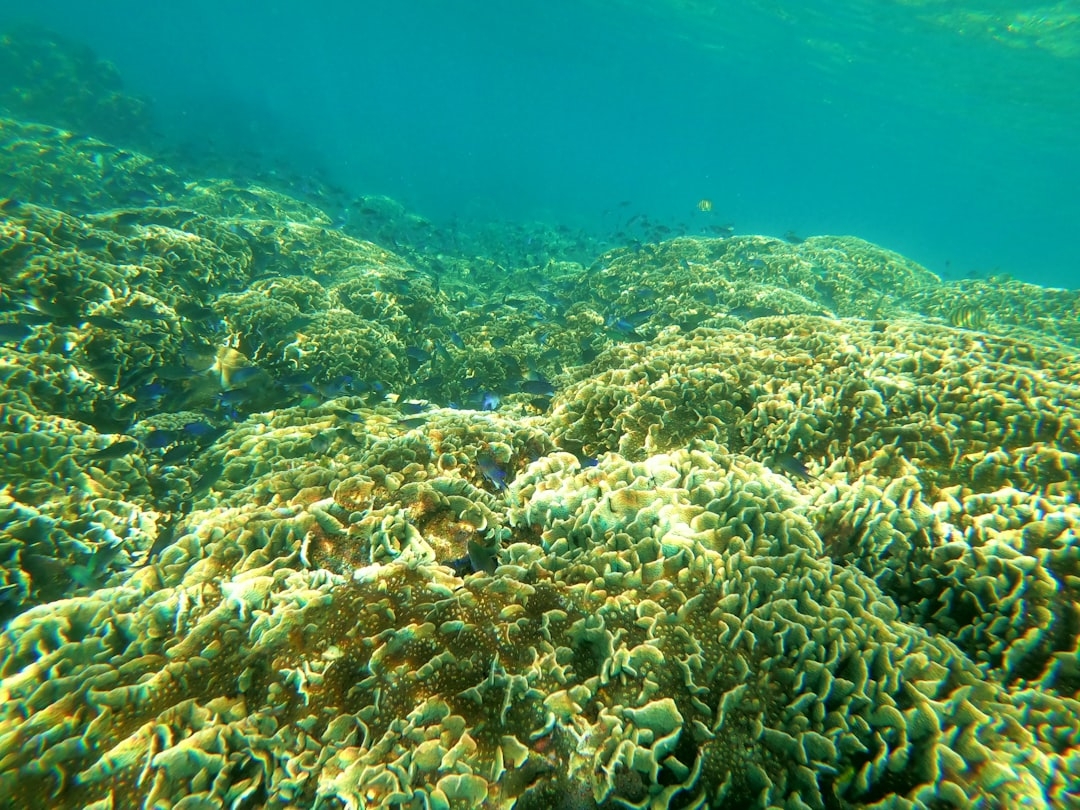
The Earth is closer than ever to an environmental tipping point. Recent reports of widespread coral bleaching highlight alarming changes in our climate system that many tend to underestimate. Unlike abstract future scenarios, coral reefs offer a direct, visible measure of damage already underway.
Coral bleaching occurs when stressed corals expel the algae living in their tissues, causing them to turn white and lose essential nutrients. This process can devastate entire reef ecosystems, which support vast marine biodiversity and protect coastlines.
Why Are Coral Bleaching Events Reaching Alarming Levels?
According to recent scientific data, coral bleaching events have increased significantly in frequency and severity. These events correlate directly with rising ocean temperatures, a symptom of global warming caused by increased greenhouse gas emissions. The result: the worst coral bleaching recorded to date.
Coral reefs maintain marine life balance and provide critical economic benefits through tourism and fisheries. Their decline signals broader environmental distress that could disrupt coastal economies and ecosystems.
How Does Coral Bleaching Work, and Why Is It a Cause for Concern?
Corals and tiny algae called zooxanthellae have a symbiotic relationship: the algae provide nutrients via photosynthesis, while corals offer protection and carbon dioxide. When water temperatures rise even slightly above normal, this delicate balance collapses, leading corals to expel their algae.
Bleached corals are more vulnerable to disease and often die if stressful conditions persist. This loss impacts species dependent on reefs for shelter and food, leading to cascading effects in marine biodiversity.
Is Coral Bleaching an Accurate Indicator of Broader Climate Stress?
Coral reefs act like canaries in a coal mine, reflecting the health of our oceans and climate. The intensification of bleaching events is a strong, observable signal that Earth’s systems are under significant strain from human-induced climate change.
However, simply blaming coral bleaching on warming isn’t enough. Many popular approaches to combating climate change tend to overpromise and underdeliver, failing to address complex trade-offs and local realities.
What Are the Practical Steps We Can Take to Address This Crisis?
Directly halting coral bleaching requires reducing global carbon emissions to slow ocean warming. Yet, this is easier said than done and involves massive systemic changes worldwide.
Other measures include protecting reefs from additional stresses like pollution and overfishing, which can make corals more resilient. Scientific efforts to breed heat-resistant coral species are underway, but these remain experimental and won’t replace natural ecosystems.
Can Restoration Efforts Reverse Coral Damage?
Though restoration projects have shown localized success, scaling them globally is challenging and resource-intensive. Coral ecosystems are highly complex; small-scale interventions often fail to match the speed or scale of environmental deterioration.
How Can Individuals and Communities Participate in Solutions?
Community engagement in reef conservation and sustainable coastal management is critical. Simple actions like reducing chemical runoff, supporting sustainable fishing, and raising awareness can cumulatively lessen local impacts and improve reef resilience.
However, these efforts must align with larger policy shifts to reduce carbon footprints at national and international levels for any meaningful impact on climate-induced bleaching.
A Balanced Perspective: What Should We Watch Next?
The ongoing coral bleaching crisis vividly illustrates Earth's fragility amidst climate change. It challenges us to scrutinize accepted narratives about environmental recovery and confront the complex realities of intervention trade-offs.
While hope remains in technological and conservation advancements, these should be viewed realistically alongside systemic emissions reductions. Awareness and critical engagement can help societies prioritize actions with feasible, measurable benefits.
Quick Evaluation Framework
- Assess your regional environmental risks related to climate stress.
- Identify local sources of reef or ecosystem stress (pollution, fishing, development).
- Evaluate feasible community or personal steps to reduce pressure on nearby ecosystems.
- Research policies and initiatives advocating systemic emissions reduction and support where possible.
- Regularly monitor scientific updates to adjust your understanding and actions.
Taking 10-20 minutes to critically analyze these points can empower informed decision-making about environmental action in your own context.
Technical Terms
Glossary terms mentioned in this article













Comments
Be the first to comment
Be the first to comment
Your opinions are valuable to us