
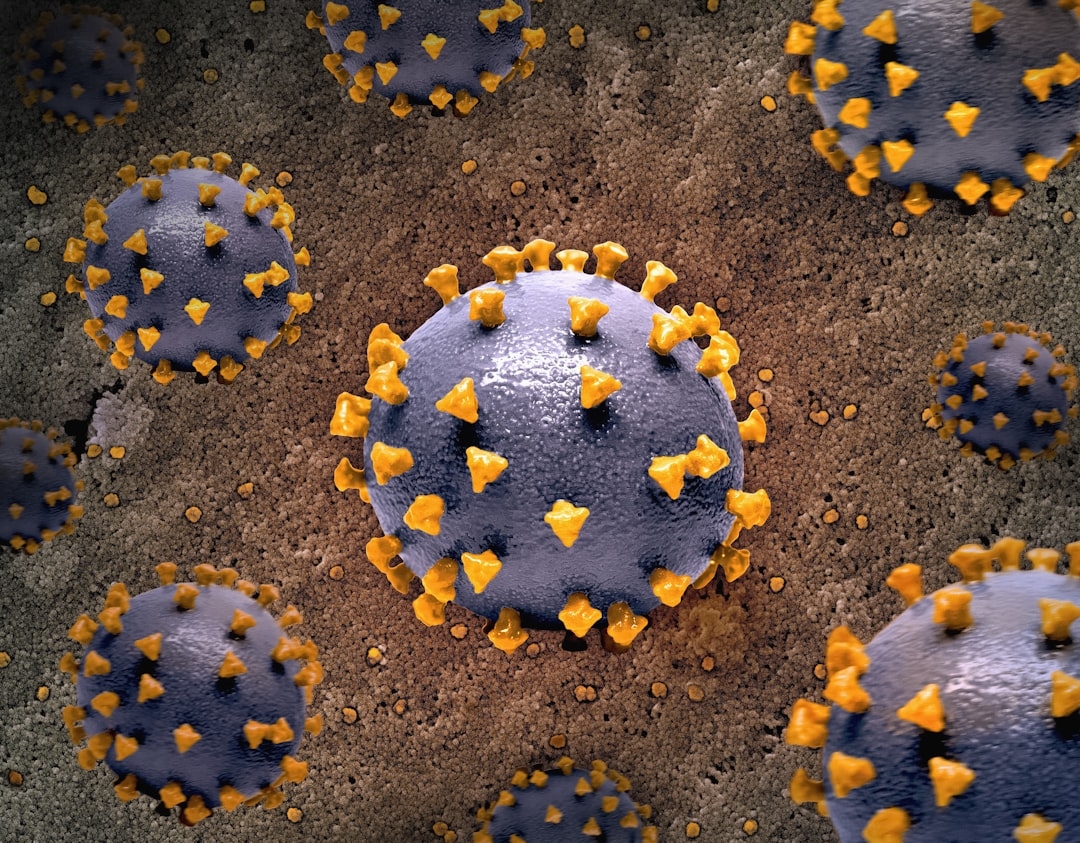
The recent measles outbreak in South Carolina has become the biggest in the United States in decades. With numerous cases reported in 2023 and early 2024, health officials have been racing against time to contain the virus and protect vulnerable populations.
Measles is a highly contagious viral disease that can lead to serious health complications, especially among children and those with weakened immune systems. Understanding why this outbreak gained such scale, and how it’s now slowing down, offers vital insight for public health strategies nationwide.
How Does the Measles Outbreak in South Carolina Show Signs of Declining?
According to health department reports, the number of new measles cases has steadily dropped over the past months. The outbreak initially surged due to a cluster of infections in areas with lower vaccination rates. However, increased vaccination efforts and public awareness campaigns have played a critical role in curbing the spread.
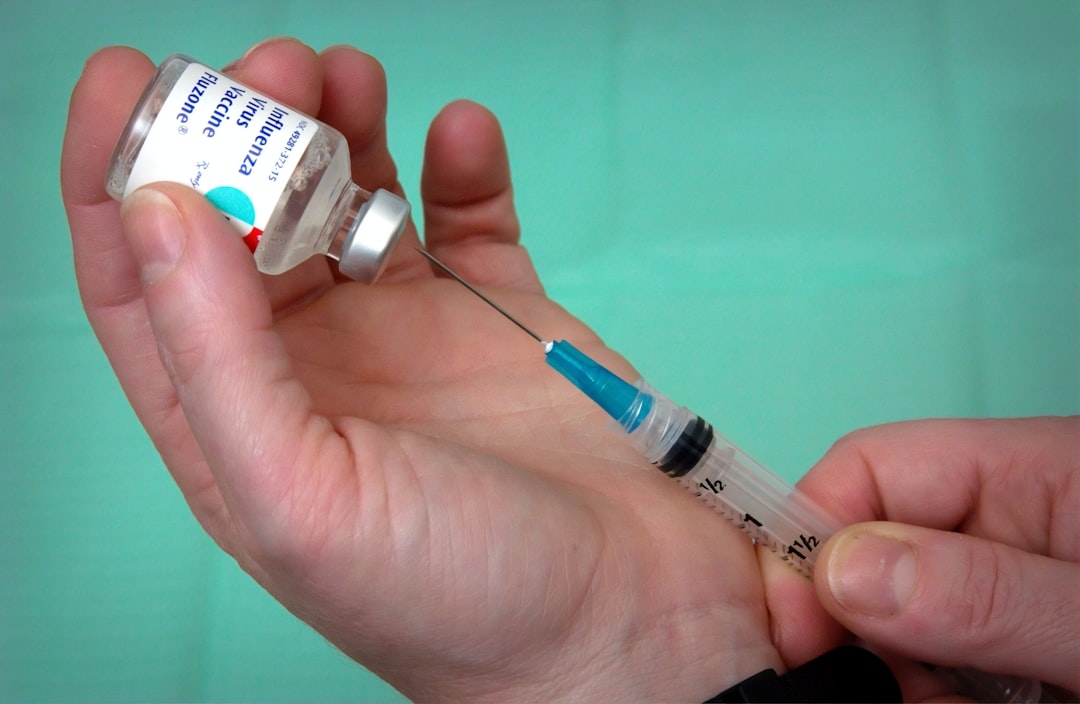
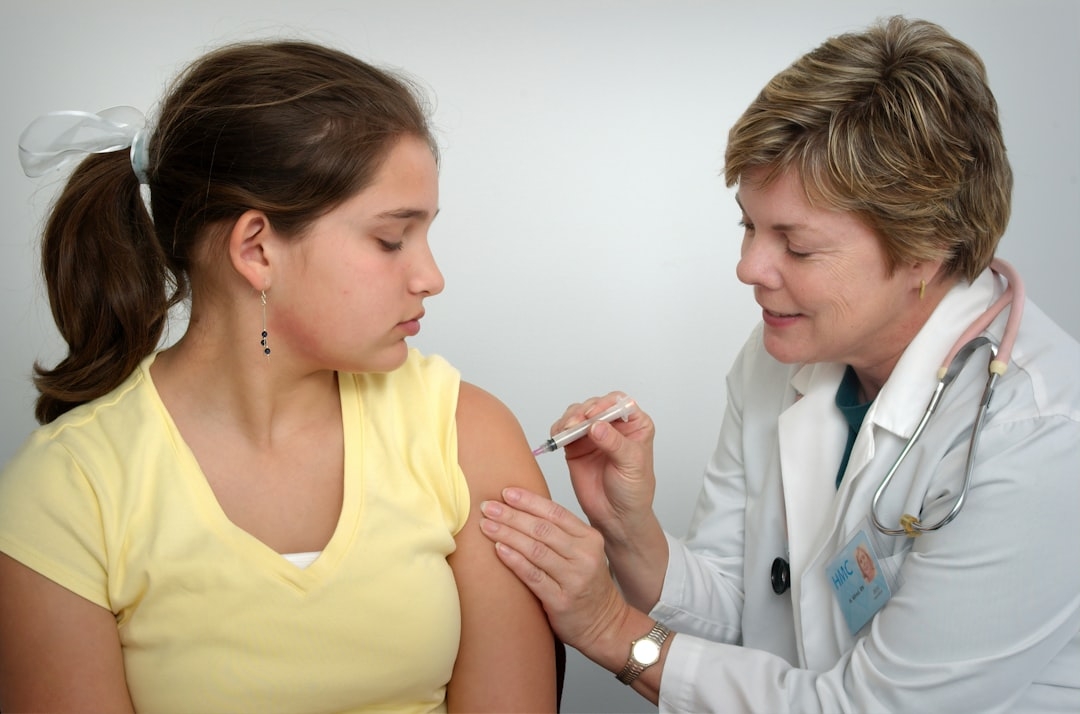
Vaccination remains the most effective tool against measles. The MMR vaccine (measles, mumps, and rubella) helps the immune system build resistance against the virus. Its widespread administration is key to achieving herd immunity, which protects even those who cannot be vaccinated due to medical reasons.
Public health officials also point to the rapid identification and isolation of infected individuals as instrumental in controlling the outbreak. Contact tracing efforts helped break the chain of transmission, preventing the virus from spreading further into vulnerable groups.
What Are Common Mistakes That Hindered Early Measles Control?
Despite ongoing efforts, several challenges slowed initial containment of the outbreak. A few of the common mistakes included:
- Delayed diagnosis: Measles symptoms can resemble common viral infections initially, leading to missed early detection and greater spread.
- Vaccine hesitancy: Communities with skepticism toward vaccines created pockets where measles could infect many unprotected individuals.
- Insufficient public awareness: In some areas, residents were unaware of outbreak severity or symptoms, delaying medical consultation and isolation.
Understanding these pitfalls helps public health workers optimize future outbreak responses by emphasizing swift action, transparent communication, and community engagement.
Why Has the Outbreak Been Larger Than Expected?
Measles outbreaks in recent years in the US had been relatively small, but this particular case grew unusually large due to a few factors working against containment:
- Areas with suboptimal vaccination coverage, sometimes below the 90-95% threshold needed for herd immunity.
- A highly infectious virus variant spreading rapidly among close-contact groups.
- Social and demographic factors, including vaccine misinformation and access barriers to healthcare.
The outbreak serves as a critical reminder that even diseases considered eliminated or rare can quickly resurface under the right conditions.
What Are the Current Public Health Strategies to Prevent Future Measles Resurgences?
Health authorities are now focused on sustaining the positive momentum while addressing the underlying issues that allowed this outbreak to escalate, such as:
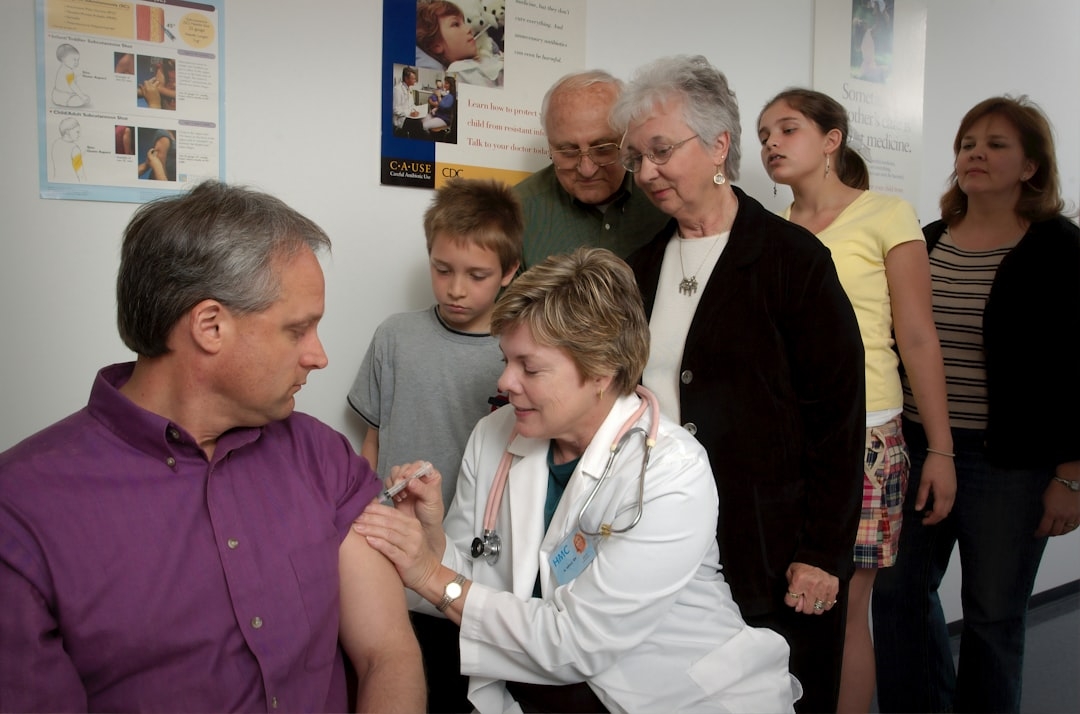
- Boosting vaccination rates: Through education campaigns, easier access to clinics, and incentivizing immunization.
- Monitoring and surveillance: Using data analytics to detect early warning signs and respond rapidly.
- Community involvement: Partnering with local leaders and organizations to build trust and dispel myths about vaccines.
These steps aim to close immunity gaps and prepare the system for any future outbreaks, ensuring faster containment and fewer cases.
How Does Measles Transmission Work, and Why Is Vaccination Crucial?
Measles is spread through airborne droplets when an infected person coughs or sneezes. The virus can linger in the air for up to two hours, making it one of the most contagious infectious diseases.
The basic reproduction number (R0) of measles ranges from 12 to 18, meaning one infected person can infect up to 18 others in a susceptible population. This high transmission rate requires very high vaccination coverage to prevent outbreaks.
The MMR vaccine stimulates the immune system to produce antibodies without causing the disease. By preventing infection, vaccination effectively stops the virus’s chain of transmission.
What Are Alternatives to Relying Only on Vaccination?
While vaccination is the cornerstone, additional measures can help reduce outbreak severity:
- Quarantine and isolation: Quickly separating infected or exposed individuals limits spread.
- Public education: Promoting hygiene practices like covering coughs and handwashing.
- Enhanced surveillance systems: Early identification of cases through better data and reporting tools.
Combining these strategies with vaccination increases resilience against measles resurgence.
Common Mistakes to Avoid During Outbreak Response
- Assuming the outbreak will burn out without intervention: Past events show swift action is crucial.
- Neglecting minority or underserved populations: Outbreaks often expand in communities with limited healthcare access.
- Delaying vaccination campaigns until cases surge: Prevention needs to be proactive, not reactive.
Addressing these errors helps improve response efficiency and saves lives.
What's Next for South Carolina and Measles Prevention?
The slowdown in cases is encouraging, but it doesn’t signal the end of vigilance. Public health officials continue surveillance and vaccination outreach to ensure the outbreak remains contained.
Continuing to close immunity gaps will be essential to prevent future flare-ups. As the measles virus remains a global health threat, lessons from South Carolina’s experience will inform how health systems manage vaccine-preventable diseases going forward.
Taking action now by ensuring full vaccination** for yourself and your community protects against measles and helps maintain public health safety.
Next Step: Schedule a vaccination status check for you and your family members. Confirm or update MMR vaccinations within 20 minutes by contacting local clinics or using verified online health portals.
Technical Terms
Glossary terms mentioned in this article










Comments
Be the first to comment
Be the first to comment
Your opinions are valuable to us