
What Is Happening With Measles in South Carolina?
South Carolina is facing a serious measles outbreak that has infected more than 800 people so far. Among the infected, some children have developed encephalitis, a rare but dangerous condition involving brain swelling. This outbreak has raised alarm among parents, doctors, and public health officials alike.
Understanding what encephalitis is, why it occurs during measles infection, and how to recognize the symptoms can help communities respond more effectively to this health crisis.
How Does Measles Cause Brain Swelling (Encephalitis)?
Measles is a highly contagious viral infection that primarily causes fever, rash, cough, and runny nose. However, in certain cases, the virus invades the brain, causing inflammation known as encephalitis. This condition leads to swelling, which increases pressure inside the skull and can damage brain tissue.
Encephalitis occurs in about 1 in 1,000 measles cases but can be life-threatening or result in lasting neurological problems. The brain swelling happens because the immune system reacts aggressively to the virus, sometimes harming the brain cells in the process.
During the current outbreak, healthcare providers have seen children develop this severe complication weeks after the initial measles symptoms. Recognizing this timeline is crucial for early detection and treatment.
What Are the Signs of Encephalitis in Children?
- Severe headache or persistent vomiting
- Confusion or difficulty waking up
- Seizures or unusual body movements
- Weakness or loss of coordination
- High fever that does not improve
If any of these symptoms occur after a measles diagnosis, immediate medical attention is essential.
Why Is This Outbreak More Dangerous Than Usual?
The recent surge in measles infections has overwhelmed local health services. Most affected individuals are unvaccinated, which increases the risk of complications like encephalitis. The measles virus spreads especially fast in communities where vaccination rates are low, creating conditions for serious public health risks.
This outbreak reminds us how vital vaccination is in preventing not only the spread of measles but also severe, life-threatening complications. Despite being vaccine-preventable, measles can cause devastating effects in vulnerable populations.
Common Mistakes Parents Make Regarding Measles and Encephalitis
One frequent misconception is that measles is just a mild childhood illness. However, as this outbreak demonstrates, it can lead to severe brain complications like encephalitis.
Another typical mistake is delaying vaccination schedules due to misinformation or fear. This decision significantly increases the chance of infection and related complications, especially in children.
Finally, some parents may underestimate the seriousness of lingering symptoms after a measles infection, such as high fever or neurological changes. These are red flags signaling encephalitis and require urgent evaluation.
How Can Parents Protect Their Children Now?
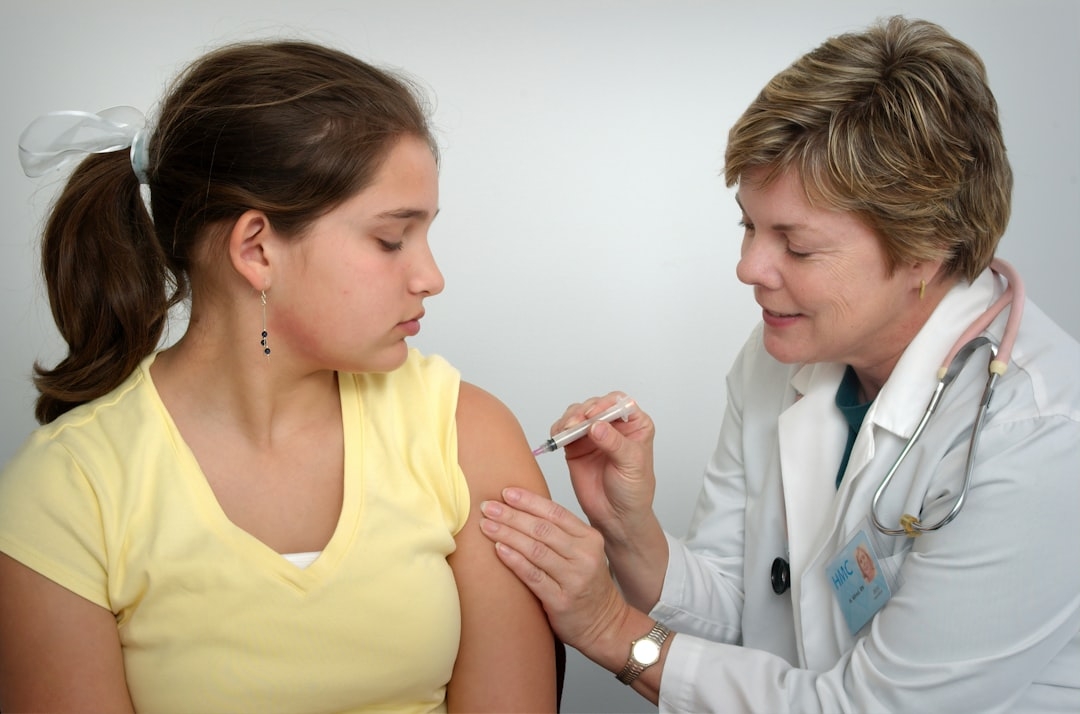
To minimize the risk of measles and encephalitis, it is critical to ensure children receive the measles-mumps-rubella (MMR) vaccine as recommended. Avoiding contact with infected individuals and practicing good hygiene also help control spread.
If your child has measles, carefully monitor their condition. Any early signs of encephalitis must lead to immediate medical consultation. The earlier treatment begins, the better the chances of preventing permanent brain damage.
What Should You Do If You Suspect Encephalitis?
Seek emergency medical assistance right away if your child shows any symptoms of encephalitis after measles infection. Diagnosis typically involves neurological examination, blood tests, and brain imaging to assess inflammation.
Treatment focuses on reducing brain swelling and managing complications. While some cases require intensive care, early intervention can improve outcomes significantly.
What Are the Long-Term Effects of Measles-Related Encephalitis?
While some children recover fully, others may suffer lasting neurological issues such as cognitive difficulties, seizures, or motor impairments. This makes preventing encephalitis through vaccination and early care even more urgent.
Public health efforts in South Carolina and beyond must focus on increasing vaccine coverage to avoid repeating this dangerous scenario.
How Can You Test Your Understanding?
Take 15 minutes to review your child's vaccination records and ensure all recommended doses of MMR vaccine are up to date. If unsure, contact your healthcare provider to confirm their immunization status and discuss any questions you have. Being proactive is the most effective way to prevent complications like encephalitis.
Technical Terms
Glossary terms mentioned in this article












Comments
Be the first to comment
Be the first to comment
Your opinions are valuable to us