
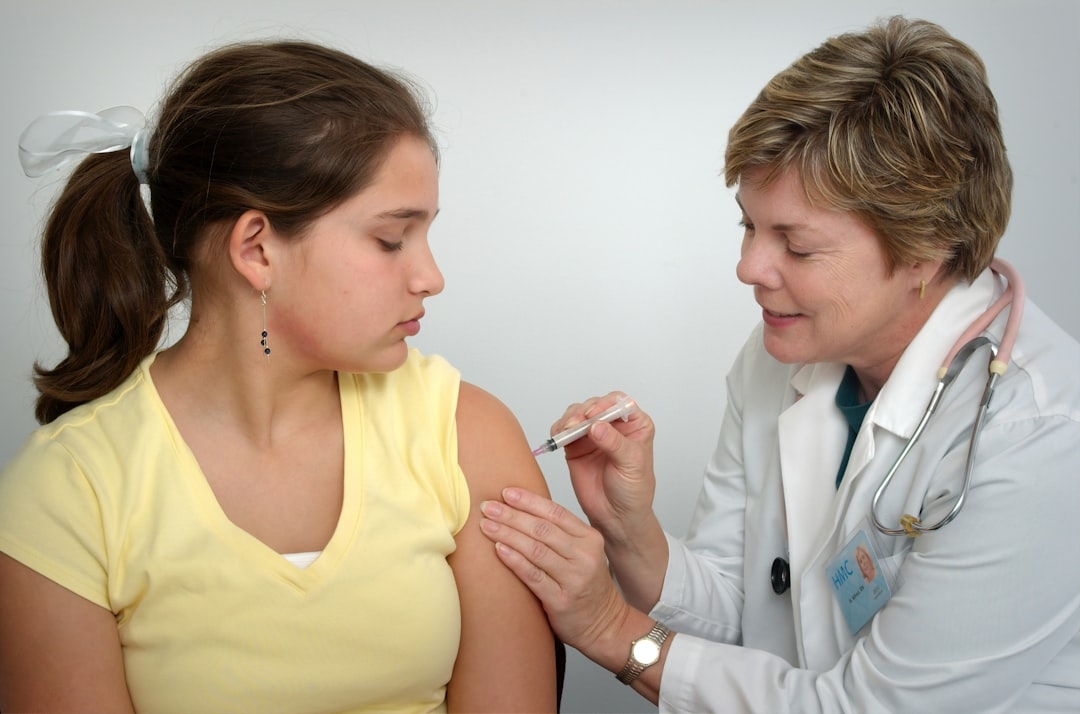
In recent discussions around vaccinations, especially amid evolving public health debates, the concept of shared decisionmaking has resurfaced with renewed attention. Originally developed in the 1980s to empower patients against paternalistic medicine, this practice encourages collaborative communication between patients and healthcare providers.
RFK’s CDC (the Children’s Health Defense Center for Disease Control) endorses this approach in the context of vaccines. However, the movement known as MAHA (Mothers Against Harmful Agenda) has notably recast shared decisionmaking to support its own agenda, raising important questions about the term’s meaning and application today.
What Is Shared Decisionmaking and Why Does It Matter Now?
Shared decisionmaking is a process originally designed to protect patients by ensuring they have an active say in medical choices, rather than passively receiving directives. This method emphasizes transparency, respect, and patient autonomy. It is especially relevant in vaccine discussions where individuals may have concerns about risks, benefits, and personal values.
With pandemic-related vaccine policies and public skepticism growing, understanding the nuances of shared decisionmaking has become crucial. In this evolving debate, RFK’s CDC places shared decisionmaking at the forefront, advocating it as a means to rebuild trust and respect in healthcare conversations.
How Does Shared Decisionmaking Work in Vaccine Contexts?
At its core, shared decisionmaking involves open dialogue where healthcare providers provide evidence-based information about vaccines, and patients express their questions, values, and preferences. Both parties then collaborate to decide on the best course of action.
This process contrasts sharply with paternalistic medicine, where doctors make unilateral decisions, expecting patient compliance without thorough discussion. In a vaccine setting, shared decisionmaking means discussing vaccine benefits, potential side effects, and alternatives openly, without coercion or withholding information.
Important components include:
- Information sharing: Clear explanation of vaccine science and risks.
- Patient values: Respect for individual health beliefs and concerns.
- Mutual agreement: Jointly agreed-upon vaccination plan.
How the MAHA Movement Has Reframed Shared Decisionmaking
MAHA’s approach to shared decisionmaking departs from its original intent. While the practice was created to balance medical power dynamics, MAHA uses the term to emphasize vaccine refusal based on a broader skepticism of public health agencies.
This reframing raises challenges in distinguishing genuine patient empowerment from advocacy driven by distrust or misinformation. The MAHA movement promotes a version of shared decisionmaking that often involves rejecting mainstream vaccine recommendations, complicating public health messaging.
When Should You Use Shared Decisionmaking in Vaccine Decisions?
Shared decisionmaking is especially appropriate when individuals face uncertainty or concerns about vaccines. It works best when:
- Patients have questions or fears about vaccine safety
- Multiple vaccination options or schedules exist
- Providers want to foster trust and respect
However, in situations where clear, evidence-based vaccine benefits overwhelmingly outweigh risks, some experts argue that shared decisionmaking should complement but not replace strong vaccine recommendation.
Comparing Medical Approaches to Vaccination
| Approach | Description | When Ideal | Limitations |
|---|---|---|---|
| Shared Decisionmaking | Collaborative dialogue respecting patient values | Uncertain cases; building trust | Potential delays or refusals |
| Paternalistic Medicine | Provider-directed decisions, expecting compliance | Urgent public health needs | Reduced patient autonomy |
| MAHA Reframing | Focus on vaccine refusal agenda using shared decisionmaking language | Advocacy for alternative views | Misinformation risks, public confusion |
What Are the Trade-offs and Why Is This Important?
The revival of shared decisionmaking in vaccine discussions highlights ongoing tensions between public health priorities and individual rights. While shared decisionmaking can improve communication and respect, it may also enable vaccine hesitancy or refusal if misapplied.
Healthcare providers face the challenge of balancing evidence-based recommendations with respecting patient autonomy, particularly when misinformation is widespread. Understanding these trade-offs helps clarify when and how shared decisionmaking supports both patient empowerment and public health goals.
Practical Tips for Patients and Providers
- Ask questions openly: Patients should express concerns without fear of judgment.
- Provide clear info: Providers must communicate science in understandable terms.
- Recognize limits: Understand when strong vaccine recommendations are necessary.
- Distinguish agendas: Identify when shared decisionmaking language is used to promote misinformation.
The case of RFK’s CDC endorsing shared decisionmaking reminds us that empowering patients is vital but must be grounded in accurate information and mutual respect to be effective.
If you're a healthcare provider or patient wanting to explore shared decisionmaking firsthand, try this experiment: Next time you discuss vaccine options, spend 10-15 minutes actively applying the shared decisionmaking principles—discuss benefits, risks, and your values openly—and observe how the conversation changes. Notice any shifts in trust or understanding. This practical step can reveal the power and challenges of shared decisionmaking in real time.
Technical Terms
Glossary terms mentioned in this article











Comments
Be the first to comment
Be the first to comment
Your opinions are valuable to us