

Last winter, many people I know caught the flu despite having their annual shots. It seemed unusually persistent, spreading fast even in vaccinated communities. That's when I learned about the so-called ‘super flu’ making waves across Europe and the United States. This isn’t just an ordinary flu season; it's driven by a new, aggressive variant of the influenza virus challenging our current defenses.
What Is the 'Super Flu'?
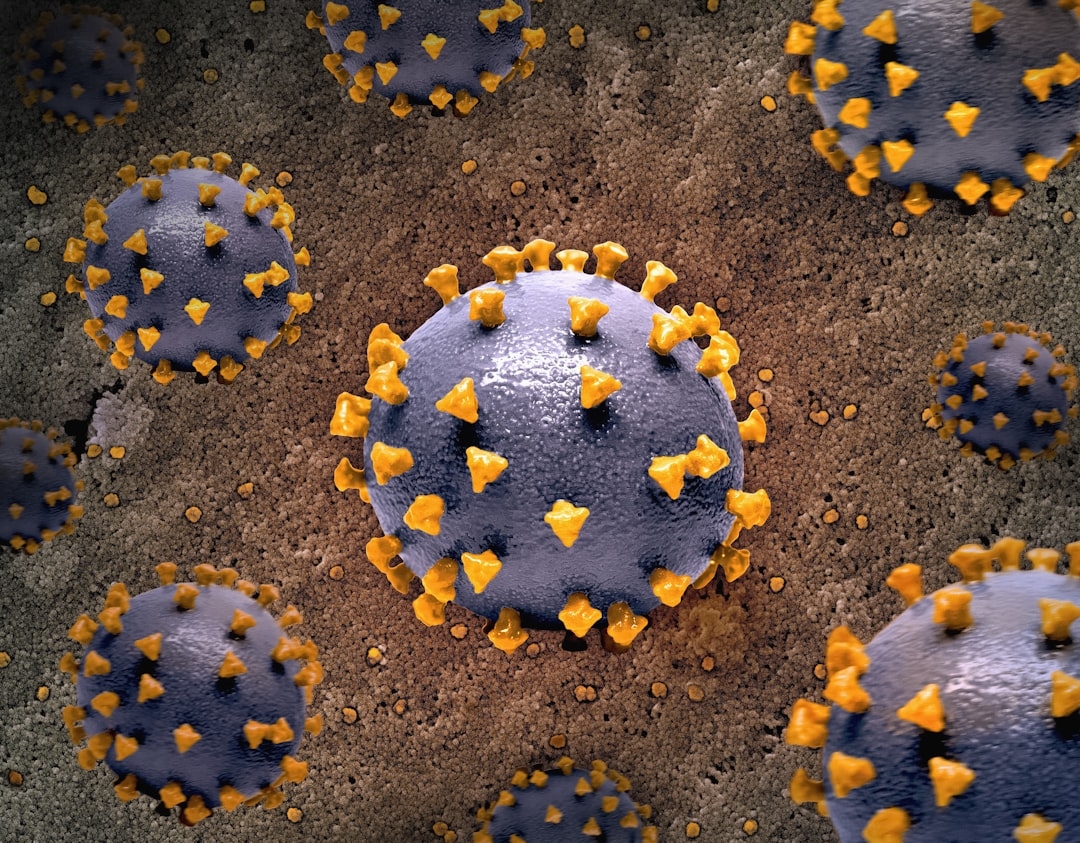
The term ‘super flu’ refers to a recent outbreak caused by a new variant of influenza A known as H3N2, subclade K. Influenza A viruses frequently change through a process called antigenic drift, where small mutations alter viral proteins. These changes can reduce the effectiveness of vaccines developed based on earlier strains.
This variant emerged recently and has quickly spread across several regions, particularly in the US and UK. Early reports show that existing flu vaccines offer insufficient protection against this particular strain, leading to higher infection rates and more severe outbreaks.
How Does the 'Super Flu' Evade Vaccines?
Flu vaccines work by training the immune system to recognize specific viral proteins, mainly hemagglutinin (HA). The problem arises when the virus mutates its HA in ways that vaccines no longer match well. The H3N2 subclade K has accumulated such mutations, meaning the immune system’s memory from vaccination or past infections doesn’t respond effectively.
This mismatch reduces vaccine effectiveness — a technical term meaning fewer people develop immunity after vaccination. In practice, this invites more widespread illness, even among those who were vaccinated, especially the elderly and immunocompromised.
Why Is This Flu Different From Typical Influenza Strains?
Unlike many previous strains, which vaccines contained well-matching components for, the subclade K variant carries genetic changes that help it avoid neutralization by antibodies. This antigenic drift makes it dangerous because:
- Higher transmission rate: The virus spreads more readily in the community.
- Vaccine mismatch: Less immune protection means outbreaks can grow larger.
- Severe illness risk: Vulnerable groups face increased chances of complications.
Because of these factors, many public health agencies have alerted clinicians and the public to the growing threat posed by this strain.
How Can We Protect Ourselves Against the ‘Super Flu’?
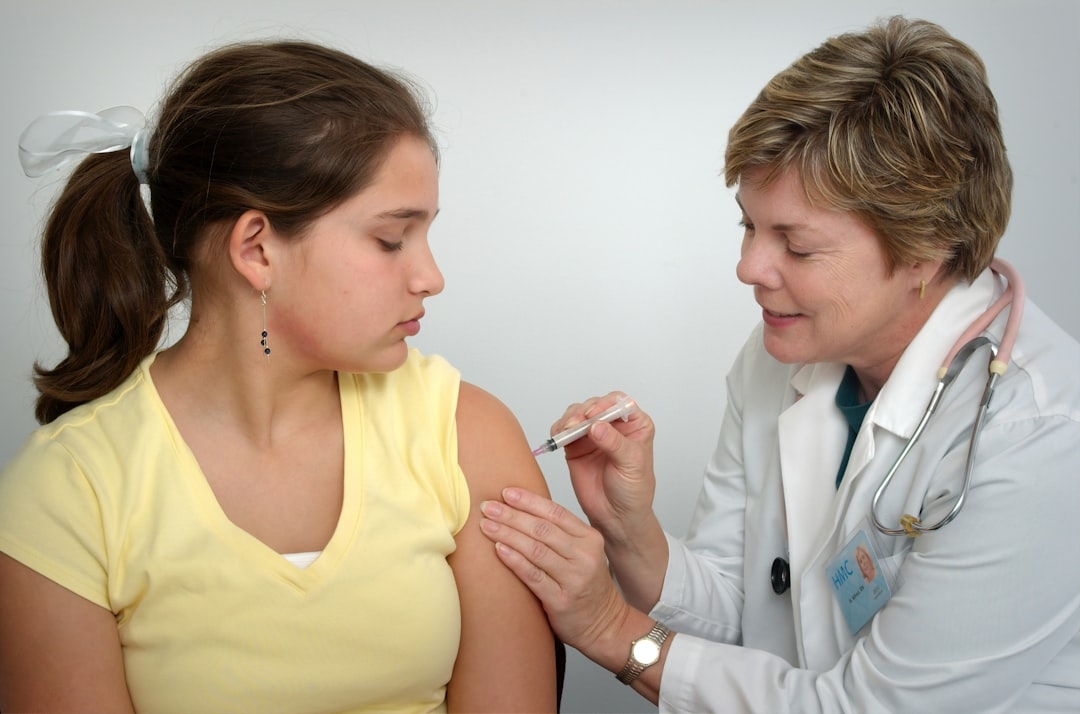
Even with reduced vaccine effectiveness, vaccination remains important. The vaccines still offer some protection, especially against severe disease and hospitalization.
Additional preventive steps include:
- Regular hand washing and hygiene
- Wearing masks in crowded or high-risk settings
- Staying home when feeling unwell
- Getting antiviral treatments early under medical advice
These traditional measures help reduce transmission alongside vaccination.
What Does This Mean for Future Flu Seasons?
The rise of the ‘super flu’ illustrates the constant challenge of influenza virus evolution. Vaccine manufacturers must closely monitor circulating strains to update formulations each year. However, the speed of antigenic drift in H3N2 strains makes it a moving target.
This variant’s spread also highlights the limits of current vaccine technology. Developing broadly protective or “universal” flu vaccines remains a top priority in global health research.
Real-World Example 1: UK Flu Surge
During the recent flu season, the UK health system recorded a sharp rise in hospital admissions linked to H3N2 subclade K. Many patients had been vaccinated but still contracted flu symptoms, underscoring the strain's vaccine resistance.
Real-World Example 2: US Regional Outbreaks
Several US states reported higher-than-usual influenza activity outside the typical flu months. This unusual timing and intensity were linked to the new variant, catching many health systems off guard.
When Should You Be Most Concerned About This Variant?
You should be particularly cautious if:
- You belong to high-risk groups like seniors, young children, or those with chronic illnesses
- You live in areas experiencing rising flu cases linked to H3N2 subclade K
- You notice flu-like symptoms despite vaccination
Understanding these warning signs can prompt quicker medical intervention and reduce spread.
What Can Individuals and Communities Do?
The collective approach to managing the ‘super flu’ involves:
- Public health messaging about hygiene and vaccination
- Enhanced surveillance to detect new variants rapidly
- Investment in improved vaccine technology and antiviral options
Everyone’s participation helps lower the infection burden and protects vulnerable populations.
Testing Your Understanding
Try this simple exercise: Check the latest local flu activity reports from health authorities online. Compare vaccination rates and hospital admission trends. Notice if higher flu cases correspond to documented H3N2 subclade K outbreaks. This quick investigation helps grasp how variants impact communities in real time.
Technical Terms
Glossary terms mentioned in this article











Comments
Be the first to comment
Be the first to comment
Your opinions are valuable to us