
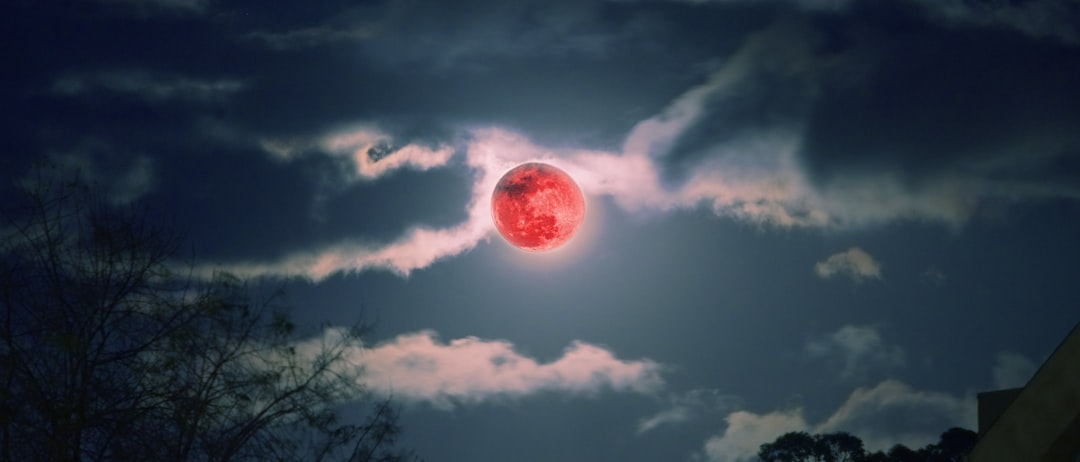
The upcoming Blood Moon total lunar eclipse on March 3 offers a unique opportunity to witness a spectacular natural phenomenon. Similar to how a dimmer switch changes a room’s ambiance, Earth's shadow transforms the moon’s bright surface into an eerie, reddish glow, captivating sky watchers worldwide.
This article guides you through the basics of eclipses, explains how and when to watch this event, and offers practical tips to maximize your viewing experience.
What Is a Total Lunar Eclipse and Why Is It Called a “Blood Moon”?
A total lunar eclipse happens when Earth positions itself directly between the sun and the moon, blocking sunlight from reaching the moon’s surface. Unlike solar eclipses, lunar eclipses are safe to watch without special eye protection because the moon simply becomes dim and red rather than disappearing entirely.
The reddish hue during a total lunar eclipse earns it the nickname Blood Moon. This red color occurs due to Rayleigh scattering, the same effect that makes sunsets red. Sunlight passes through Earth's atmosphere, scattering shorter blue wavelengths and allowing longer red wavelengths to cast a glow on the moon.
When and Where Can You See the Blood Moon on March 3?
The total lunar eclipse will peak on March 3, with the whole event spanning several hours. Depending on your location, you might see the moon's partial or full reddish phase at different times. Observers in North and South America, parts of western Europe, and Africa will have the best views.
Key timing to watch for:
- Partial eclipse begins: when Earth’s shadow starts to cover the moon
- Totality phase: the moon is fully inside Earth’s shadow, glowing red (usually lasts about an hour)
- Partial eclipse ends: the moon moves out of Earth’s shadow
Check local astronomy websites or apps for precise times in your region.
How Does the Earth’s Atmosphere Affect the Appearance of the Blood Moon?
The Earth’s atmosphere acts like a lens and filter. As sunlight passes through it, particles and dust scatter blue and green light more than red, allowing red wavelengths to filter through and reach the moon. This effect is similar to the way city lights appear orange or red due to atmospheric particles on a foggy night.
This is why the moon takes on that striking blood-red or coppery color instead of just becoming dark.
What Should You Know Before You Watch?
Viewing a total lunar eclipse is generally straightforward, but a few practical tips can enhance your experience:
- Weather matters: Clear skies are essential for the best view. Cloud cover can completely block the moon.
- Location counts: Find a dark spot away from city lights. Open areas with an unobstructed horizon make for better viewing.
- Equipment: Though the eclipse is visible with the naked eye, binoculars or telescopes can reveal interesting details.
Unlike solar eclipses, you do not need special glasses to watch a lunar eclipse.
How Can You Capture the Blood Moon? Tips for Photographing the Eclipse
If you want to photograph the event, consider these practical pointers based on firsthand experience:
- Use a tripod to avoid shaking and capture sharp images.
- Set your camera’s ISO to a moderate setting (400-800) to balance sensitivity and noise.
- Start with a wide-angle lens and then switch to zoom as the eclipse progresses.
- Experiment with exposure times, starting around 1-2 seconds to capture the dim red glow without overexposing.
Don’t expect perfect shots on your first attempt—lighting conditions vary quickly.
Why Is This Blood Moon More Than Just a Beautiful Sky Show?
The March 3 total lunar eclipse is an excellent example of Earth’s celestial mechanics in action. It demonstrates our planet's interaction within the solar system, inspiring curiosity about astronomy and natural rhythms.
Moreover, lunar eclipses have cultural significance across many societies, symbolizing change, reflection, or even mystery. Witnessing one connects us to a larger cosmic story unfolding in real time.
What’s the Best Way to Prepare for Your Viewing Experience?
To ensure you don't miss this fleeting spectacle, consider the following checklist:
- Confirm eclipse times for your local area using reliable astronomy sites or apps.
- Scout your viewing location ahead of time to secure an unobstructed view.
- Prepare warm clothing if in a cold climate—patience outdoors pays off.
- Carry binoculars or a telescope if available—though not essential, they enrich the experience.
- Set alarms or reminders for phases of the eclipse, especially totality.
Final Thoughts: How Valuable Is Watching the Blood Moon?
In an age where digital screens saturate our lives, observing natural phenomena like the Blood Moon reminds us of the grandeur beyond our immediate environments. It’s a rare, peaceful event that requires no technology—just your eyes and a moment of attention to the night sky.
This eclipse is straightforward to watch, safe, and awe-inspiring. You won’t need fancy equipment or prior astronomy knowledge—just some planning and a bit of patience.
Quick Evaluation Framework to Decide If Watching the Blood Moon Is Worth Your Time
- Check weather forecasts: Clear skies within your location? Yes = Proceed, No = Adjust plan.
- Time availability: Can you dedicate 1-3 hours on March 3 evening? Yes = Great, No = Consider partial viewing or streaming options.
- Accessibility: Do you have access to a dark, open area? Yes = Ideal, No = Urban locations still offer decent views but find a less lit spot.
- Interest level: Curious about astronomy or nature events? Yes = Must watch, No = A casual glance still offers a memorable sight.
Following this simple checklist helps you quickly decide whether and how to engage with this impressive lunar event.
Mark your calendar and look up on March 3 — the Blood Moon awaits.
Technical Terms
Glossary terms mentioned in this article











Comments
Be the first to comment
Be the first to comment
Your opinions are valuable to us