
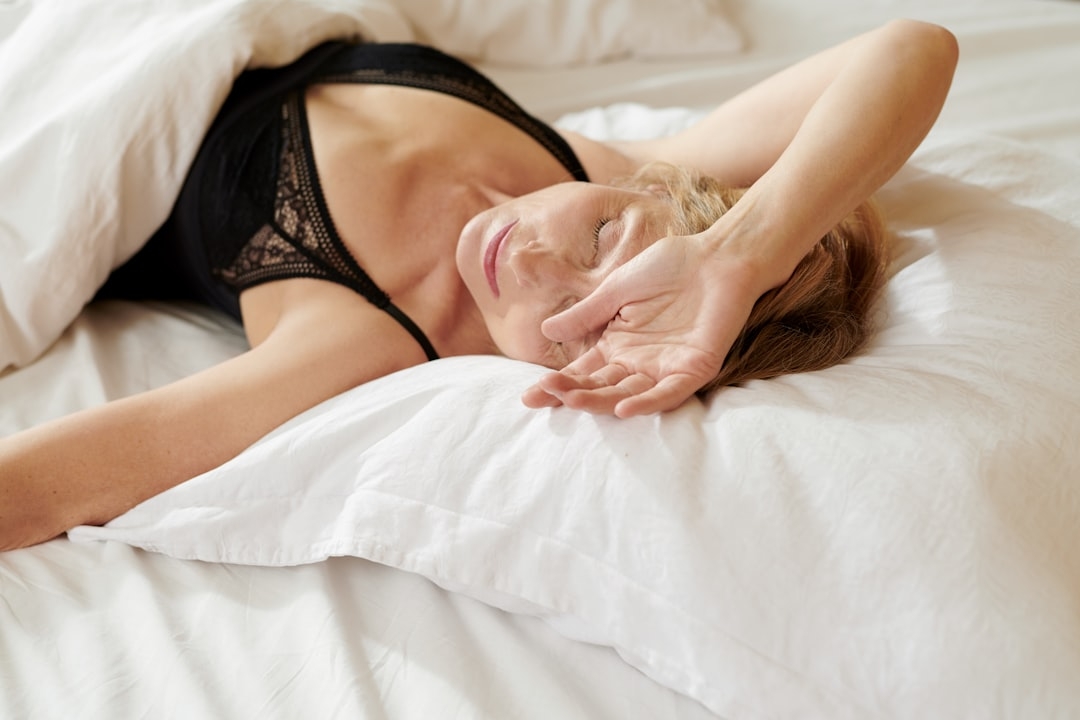
Sleep apnea has long been recognized as a common sleep disorder, but there’s an important detail many don’t know: it often goes undiagnosed in women. Despite affecting millions, female sleep apnea symptoms frequently differ from the classical signs seen in men, leading to misdiagnoses or overlooked cases.
Understanding how women's sleep apnea uniquely presents itself is vital for timely diagnosis and treatment. This article explores why this condition often stays hidden in women, what symptoms to look for, and ongoing efforts by researchers to bridge the detection gap.
Why is Sleep Apnea Often Missed in Women?
One of the main reasons sleep apnea slips under the radar in women is that their symptoms can be subtle or mistaken for other conditions. Typical male symptoms like loud snoring or gasping may be absent or mild in women. Instead, women often report fatigue, insomnia, depression, or headaches—symptoms that can easily be confused with hormonal shifts such as menopause or thyroid issues.
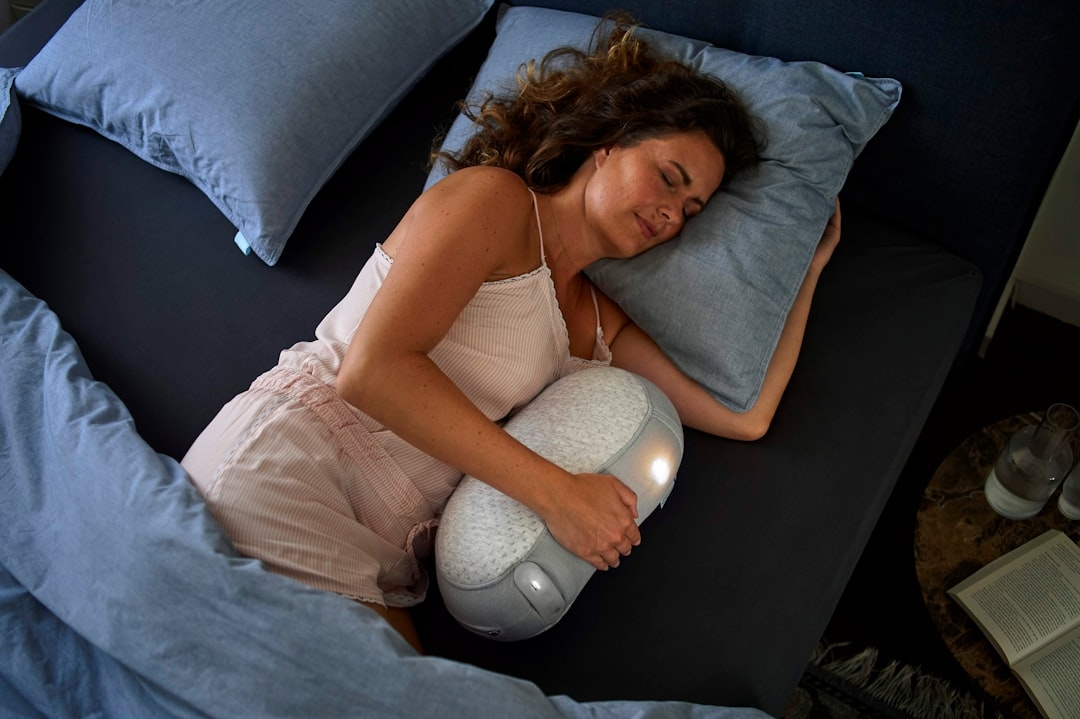
Sleep apnea is a disorder where breathing repeatedly stops and starts during sleep, causing disrupted rest and low oxygen levels. The term CPAP, or Continuous Positive Airway Pressure, frequently appears in treatment, but identifying the problem first requires good symptom awareness.
How Do Women’s Sleep Apnea Symptoms Differ from Men’s?
Research highlights that women tend to have different manifestations:
- Less pronounced snoring: While men commonly have loud, disruptive snoring, women’s snoring might be softer or intermittent.
- Daytime tiredness and mood changes: Women often experience persistent daytime fatigue, anxiety, depression, or difficulty concentrating.
- Insomnia or restless sleep: Difficulty falling or staying asleep is more common, contrasting with men’s excessive daytime sleepiness.
- Headaches and night sweats: These symptoms are frequently reported by women but rarely linked to sleep apnea.
These differences cause many women to receive a diagnosis unrelated to sleep apnea or be told their symptoms are purely psychological.
What Are the Risks of Undiagnosed Sleep Apnea in Women?
Ignoring or missing sleep apnea has serious consequences. It increases the risk of serious health conditions like high blood pressure, heart disease, diabetes, and stroke. Persistent sleep disruption also affects overall quality of life, impairing cognitive function, mood, and even immune system strength.
Common Mistakes in Detecting Sleep Apnea in Women
Here are some frequent pitfalls that delay diagnosis:
- Assuming snoring must be loud and constant to suspect sleep apnea.
- Attributing symptoms like fatigue or depression solely to menopause or stress without further testing.
- Failing to conduct overnight sleep studies tailored for women’s symptom profiles.
- Underestimating the importance of female-specific questionnaires or screening tools.
Recognizing these mistakes can empower you to advocate for thorough evaluation if you or a loved one struggles with such symptoms.
What Are Researchers Doing to Close the Detection Gap?
Scientists and clinicians are increasingly focused on refining diagnostic criteria and awareness campaigns for women's sleep apnea. New studies aim to:
- Develop gender-specific screening questionnaires accounting for female symptoms.
- Help clinicians differentiate sleep apnea symptoms from hormonal or psychiatric conditions.
- Improve education so women and health providers recognize subtle signs earlier.
- Promote use of home sleep apnea testing equipment adapted for broader symptom patterns.
These efforts are starting to pay off, with more women being diagnosed and treated appropriately than ever before.
When Should You Suspect Sleep Apnea as a Woman?
If you experience persistent daytime fatigue, mood swings, morning headaches, or disrupted sleep—even without loud snoring—it’s worth considering sleep apnea as a possible cause. Women around menopause or with a history of cardiovascular risk factors should be especially vigilant.
Insomnia or restless sleep alone might lead you to overlook sleep apnea, but these symptoms can coexist or mask the condition.
How Can You Get Tested and Treated?
The gold standard for diagnosis is a polysomnography, an overnight study measuring brain waves, oxygen levels, breathing, and heart rate during sleep. Home sleep apnea tests are also increasingly available and effective for many women.
Treatment often involves CPAP machines that keep airways open at night, lifestyle changes such as weight loss, and sometimes dental appliances or surgery. Early detection improves treatment success and reduces serious health risks.
Remember
Sleep apnea in women is not just a “menopause issue” or a psychological problem. Understanding and recognizing the unique symptoms can change lives.
Personal Experiment: Check Your Sleep Health
Take 10-30 minutes tonight to assess your sleep patterns or those of a woman close to you using a simple self-screening checklist:
- Do you often feel tired despite getting enough hours in bed?
- Do you experience morning headaches or dry mouth?
- Do you or a partner notice any breathing pauses or choking sounds during sleep?
- Have you noticed changes in mood, memory, or concentration?
- Do you have risk factors like high blood pressure, obesity, or menopause?
If you answered “yes” to two or more points, consider consulting a sleep specialist for an evaluation.
Recognizing the unique face of sleep apnea in women is an essential step toward better health. Don’t let common misconceptions delay diagnosis and treatment.
Technical Terms
Glossary terms mentioned in this article










Comments
Be the first to comment
Be the first to comment
Your opinions are valuable to us