
Why Are Rising Nighttime Temperatures Affecting Your Sleep?
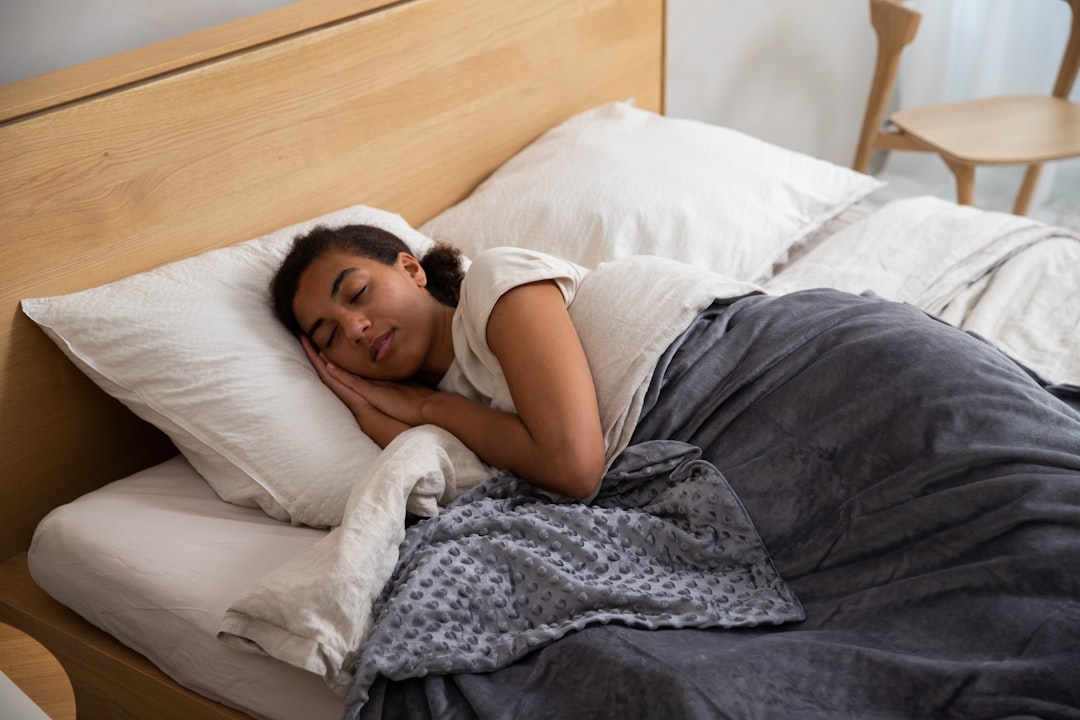
Imagine trying to fall asleep on a night when the air feels thick and hot—even with fans or air conditioning, your body struggles to cool down. This scenario is becoming increasingly common worldwide as climate change drives temperatures higher, especially during nighttime. Rising nighttime heat is not just uncomfortable; it's a serious factor impacting how well you sleep and your long-term health.
Sleep is a complex biological process that relies heavily on your body's ability to regulate temperature. When nights become hotter, this natural cooling mechanism is disrupted, leading to poorer sleep quality and increased risks of sleep disorders like sleep apnea. Sleep apnea is a condition where breathing repeatedly stops and starts during sleep, leading to fragmentation and oxygen deprivation.
What Is Sleep Apnea, and How Does Heat Influence It?
Sleep apnea occurs when muscles in the throat relax excessively and block the airway or when brain signals fail to keep breathing consistent. This interruption can happen multiple times per hour, leaving you tired even after a full night's rest. Research now shows that rising temperatures at night exacerbate these disruptions.
Heat causes your body to work harder to cool down, leading to increased heart rates and disrupted breathing patterns. The body's effort to regulate temperature during hot nights can worsen airway instability, triggering longer and more frequent apnea episodes.
How Does Climate Change Specifically Increase Sleep Apnea Cases?
Scientific studies predict that with ongoing climate changes, the prevalence of sleep apnea could increase by as much as threefold globally. This projection is based on correlating rising nighttime temperatures with higher reports of sleep disturbances and apnea diagnoses. Hotter nights lead to:
- More fragmented sleep: Continuous awakenings caused by overheating and breathing problems
- Increased cardiovascular stress: Heat strain combined with apnea amplifies risks to heart health
- Reduced oxygen levels during sleep, affecting brain and overall body function
How Does Sleep Temperature Regulation Actually Work?
Your core body temperature naturally drops at night to facilitate sleep onset and maintenance. This cooling is achieved through blood flow adjustments and heat dissipation via the skin and extremities. When the environment is too warm, especially above 24°C (75°F), your body can’t cool down effectively.
Increased ambient temperatures interfere with this process. If the room remains warm, your body stays warmer longer, delaying sleep and increasing the risk of restless nights. For individuals with sleep apnea, this thermal stress worsens airway collapsibility and breathing irregularities.
When Should You Be Concerned About Sleep and Temperature?
If you notice increased daytime sleepiness, loud snoring, or choking sensations while sleeping, especially during hotter nights, these symptoms could indicate worsening sleep apnea. Consult a sleep specialist if these signs persist. Moreover, households in warmer climates or those experiencing frequent heatwaves should be alert to their sleep environment and health.
What Are Some Common Misconceptions About Heat and Sleep?
Many people assume that using a fan or air conditioning is enough to fix all heat-related sleep issues. However, these solutions don't always fully replicate the natural cool-down process the body needs. Additionally, some believe that drinking cold beverages right before bed can counteract heat problems, but this might disrupt sleep rhythms further.
Another misconception is that sleep apnea is only a problem for overweight individuals or older adults. Rising heat is creating conditions that negatively impact a broader population, regardless of traditional risk factors.
What Are Effective Strategies to Improve Sleep During Hot Nights?
While the physics of cooling your sleep environment may seem straightforward, the real-world application often falls short. Here’s what actually works:
- Use air conditioning thoughtfully: Keep room temperatures around 18-22°C (64-72°F) for optimal sleep, avoiding extremes that cause dryness or chills.
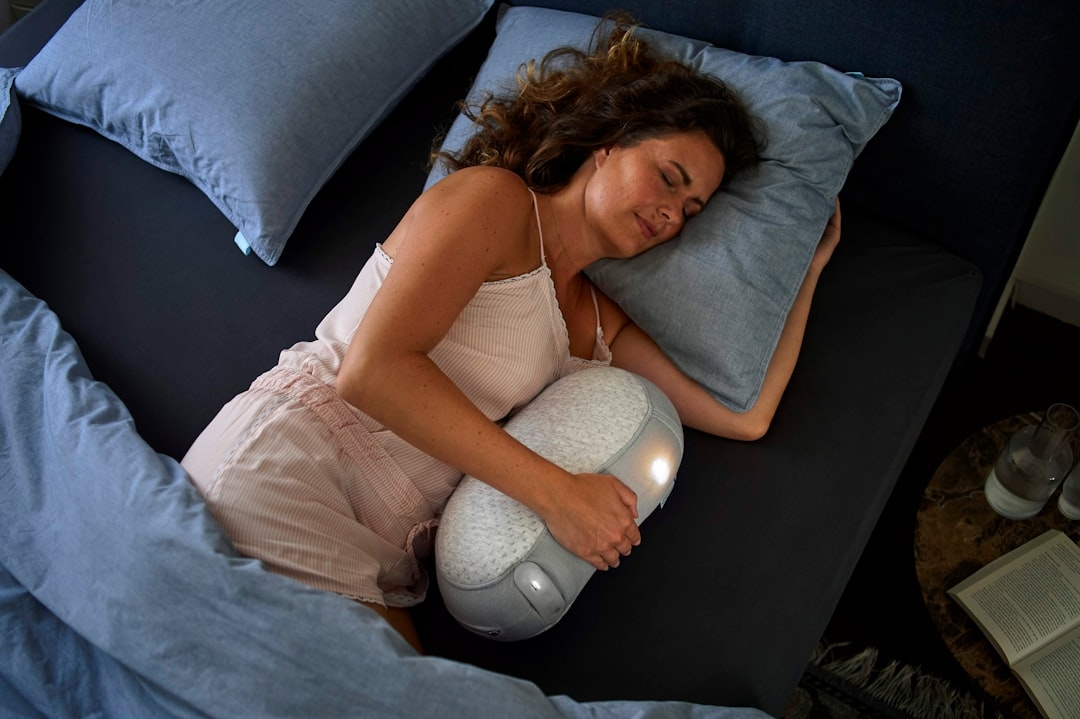
- Explore cooling bedding: Materials designed for heat dissipation can help maintain skin comfort.
- Manage humidity: High humidity combined with heat worsens discomfort and breathing issues.
- Maintain good ventilation: Fresh air circulation aids in reducing indoor temperature buildup.
When NOT to Rely Solely on Cooling for Sleep Apnea Management
While improving your thermal environment is vital, it should not replace professional sleep apnea diagnosis or treatment. If you experience symptoms like excessive daytime fatigue, witnessed breathing pauses, or severe snoring, seek medical advice. Cooling strategies are supportive but not curative for sleep apnea itself.
What Can You Do Right Now to Assess Your Sleep in Hot Conditions?
You can conduct a simple test: on a warm night, monitor how often you wake or feel unrested compared to a cooler night. Use a sleep tracker app or a diary to record disturbances. This preliminary experiment can highlight if heat is impacting your sleep quality and prompt further evaluation.
Understanding the true impact of rising nighttime temperatures on sleep health is critical as climate change progresses. The growing prevalence of sleep apnea linked to heat underscores the importance of both environmental and medical approaches to maintaining restful sleep and overall wellness.
Technical Terms
Glossary terms mentioned in this article










Comments
Be the first to comment
Be the first to comment
Your opinions are valuable to us