
Unexpected Exposure: Microplastics in Bottled Water
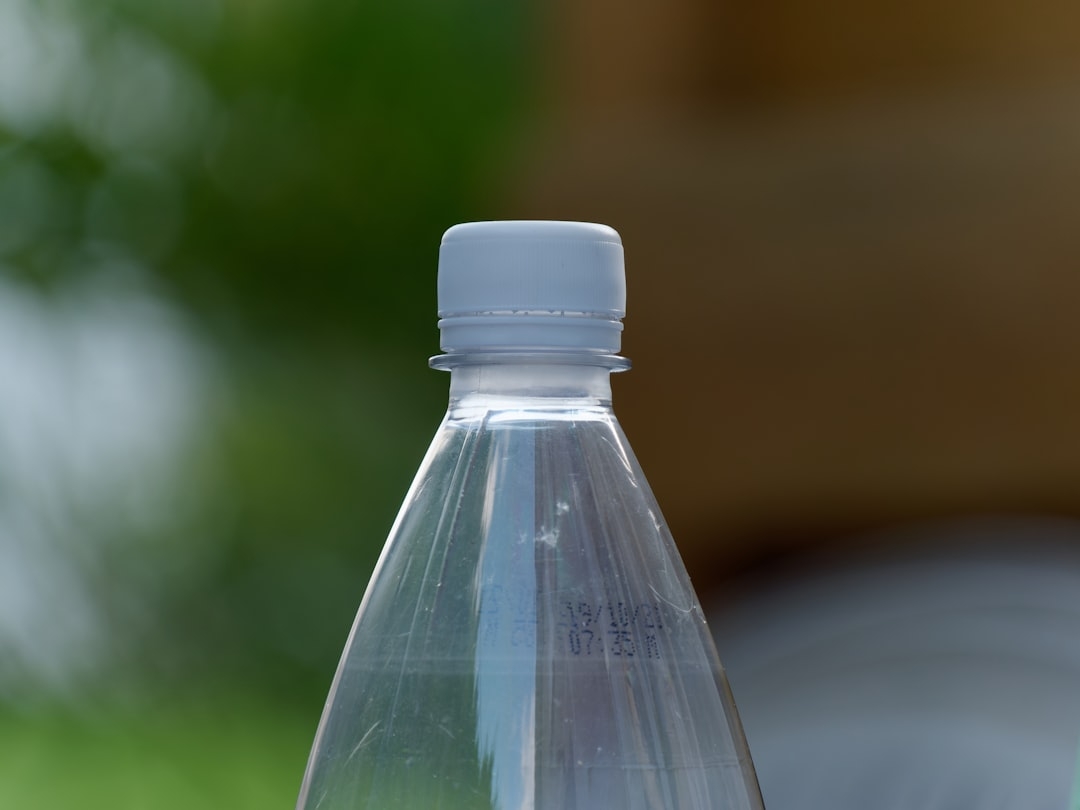
Did you know that drinking bottled water daily can lead to ingesting approximately 90,000 microplastic particles per year? These particles, so tiny they are invisible to the naked eye, have raised alarms in recent scientific studies focused on environmental health.
Microplastics are tiny plastic fragments less than 5 millimeters in size. They originate from the breakdown of larger plastic waste or from plastic production itself. When these particles contaminate drinking water, they enter the human body in ways we are only beginning to understand.
What Are Microplastics and Why Should You Care?
Microplastics are pervasive environmental contaminants formed by the degradation of plastic materials. Unlike visible plastic waste, microplastics are microscopic, often too small to detect without scientific instruments. They have been found in oceans, soil, and increasingly in our drinking water sources.
Plastic bottled water has been shown to contain significant microplastic contamination, primarily due to packaging fragmentation and the bottling process itself. This means that daily consumers unknowingly swallow these particles.
How Does Microplastic Contamination Occur in Bottled Water?
Recent research has demonstrated that plastic bottles release microplastics into the water they contain. Factors influencing this include the bottle’s material, storage duration, and environmental conditions such as temperature.
The particles range from small fragments to microscopic fibers, which may come from manufacturing residues or degrade over time as the plastic interacts with the water. The more frequently you consume bottled water, the higher your microplastic intake becomes.
Comparison: Bottled Water vs. Other Sources
People who drink bottled water daily ingest an estimated 90,000 more microplastic particles per year than those who consume other water sources, such as tap or filtered water. While tap water is not free from microplastics, studies often show significantly lower levels than bottled water.
This massive difference highlights the hidden costs of relying heavily on bottled water for hydration.
What Are the Health Implications of Microplastic Consumption?
The full impact of microplastic ingestion on human health is still under investigation. Potential concerns include inflammation, toxicity, and disruption of the endocrine system, as some microplastics can carry harmful chemicals.
However, current scientific understanding stresses caution, especially for people consuming high amounts daily.
What Alternatives Reduce Microplastic Intake?
Switching to alternatives to bottled water can markedly lower your microplastic ingestion:
- Tap Water with Filters: Using effective water filters can significantly reduce microplastic and other contaminants.
- Glass Bottles: Glass containers do not shed microplastics, making them a safer option for daily use.
- Stainless Steel Bottles: Durable and free of plastic, they prevent microplastic exposure entirely.
Besides health benefits, these alternatives are more sustainable for the environment.
When Should You Avoid Bottled Water to Minimize Risk?
If you rely heavily on bottled water, consider these scenarios to lower your microplastic intake:
- When storing bottles for extended periods, as aging plastic sheds more particles.
- In hot weather conditions where plastic degradation speeds up.
- If consuming multiple liters daily, which multiplies exposure.
Limiting use during these situations helps reduce unnecessary microplastic ingestion.
How Can You Assess Your Microplastic Intake?
Though measuring your exact microplastic intake is difficult without lab tests, estimating consumption based on bottled water intake is practical:
- Calculate your daily bottled water volume.
- Use the average estimate of microplastic particles per liter from research.
- Multiply to find annual exposure.
This awareness guides informed hydration choices.
What Trade-Offs Should You Consider When Choosing Water Sources?
Bottled water offers convenience but at the cost of microplastic exposure and environmental impact. Tap water may vary in quality, necessitating filtration systems that require maintenance and upfront costs.
Glass and stainless steel bottles reduce ingestion risks but may lack portability or initial affordability for some users. Balancing health, cost, convenience, and sustainability is essential.
Concrete Steps to Reduce Microplastic Intake from Bottled Water
- Limit bottled water consumption whenever possible.
- Use certified water filters on tap water and maintain them properly.
- Switch to glass or metal water bottles for daily use.
- Store bottled water in cool, shaded places if unavoidable.
- Stay informed by following new research on microplastics in drinking water.
Microplastic Awareness Checklist: Is Bottled Water Right for You?
Spend 15-20 minutes assessing your hydration habits using this checklist:
- How many liters of bottled water do you drink daily?
- Do you use filters or drink tap water? How reliable is your local supply?
- Are you aware of the potential health risks linked to microplastics?
- Can you invest in glass or stainless steel reusable bottles?
- Do environmental sustainability and health concerns influence your water choices?
Based on your answers, adjust your habits to minimize microplastic intake while maintaining hydration and convenience.
Final Thoughts
Recognizing that bottled water carries a hidden burden of microplastic particles—about 90,000 more per year than other water sources—helps us rethink daily habits. While the health effects require further study, precautionary measures are reasonable.
Prioritizing safe, sustainable water choices supports both personal health and the environment. This trade-off reflects thoughtful consumption rather than mere convenience.
Technical Terms
Glossary terms mentioned in this article













Comments
Be the first to comment
Be the first to comment
Your opinions are valuable to us