
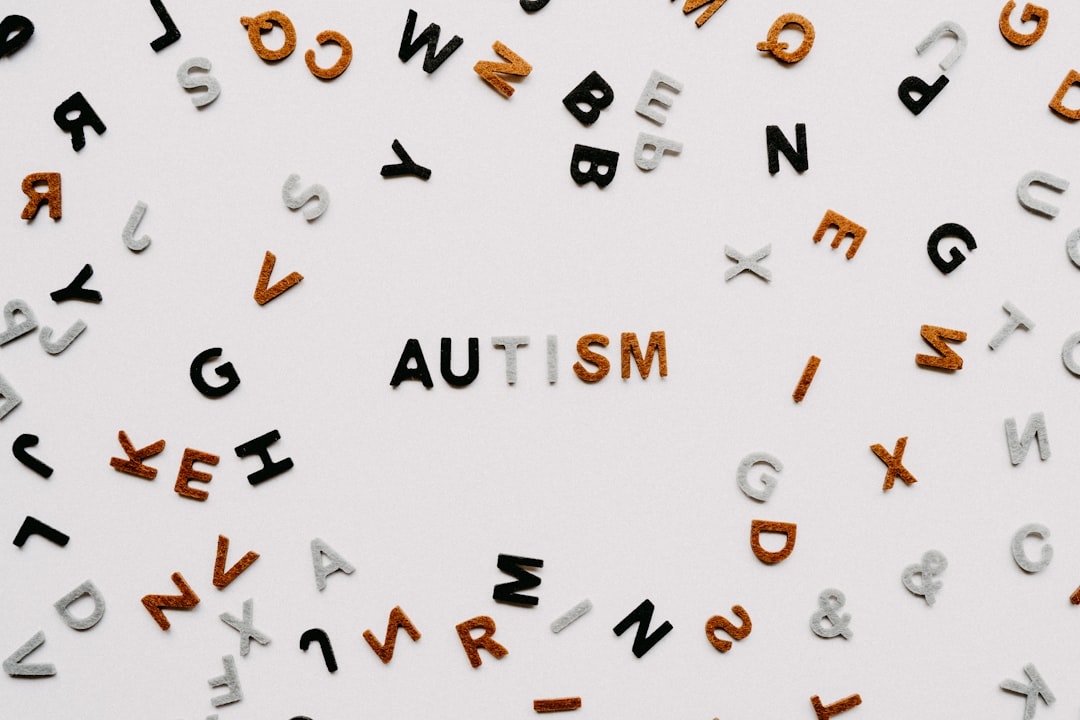
Robert F. Kennedy Jr., a prominent and controversial figure in the vaccine debate, has assembled a federal autism committee with members known for promoting fringe ideas and conspiracy theories. Among those appointed are individuals who advocate dangerous and unproven treatments for autism and accuse vaccine manufacturers of deliberately "poisoning children." This raises serious concerns about the scientific integrity and public safety implications of the committee's work.
Who Are the Members of This Autism Panel?
The newly formed panel includes voices that reject mainstream medical consensus on autism. Some appointees support unproven interventions such as chelation therapy—used to remove heavy metals from the body despite lack of evidence for benefit and potential harm. Others deny the safety and effectiveness of vaccines, claiming a manufactured epidemic of autism tied to vaccination programs.
Chelation therapy is a treatment originally designed for heavy metal poisoning. However, it has been misapplied by some as an autism treatment, despite no scientific proof that heavy metals cause autism. Such misuse can be harmful, sometimes leading to serious side effects.
Why Are These Appointments Controversial?
This panel includes individuals openly promoting conspiracy theories surrounding vaccines and pharmaceutical companies. They accuse vaccine manufacturers of intentionally harming children—a claim unsupported by robust scientific research and public health data.
The mainstream medical community overwhelmingly agrees that vaccines are safe and do not cause autism. Numerous studies involving millions of children globally have found no credible link between vaccines and autism spectrum disorders.
How Does This Impact Autism Research and Policy?
Federal committees play an important role in guiding funding, research priorities, and policy decisions related to autism. If such bodies include members who reject evidence-based approaches and promote misinformation, this might steer efforts away from effective research and treatments.
Science-based policy is crucial to advance understanding of autism and support individuals and families. When conspiracy theories influence policy, resources may be diverted to unproven or harmful interventions.
What Are the Risks to Public Health?
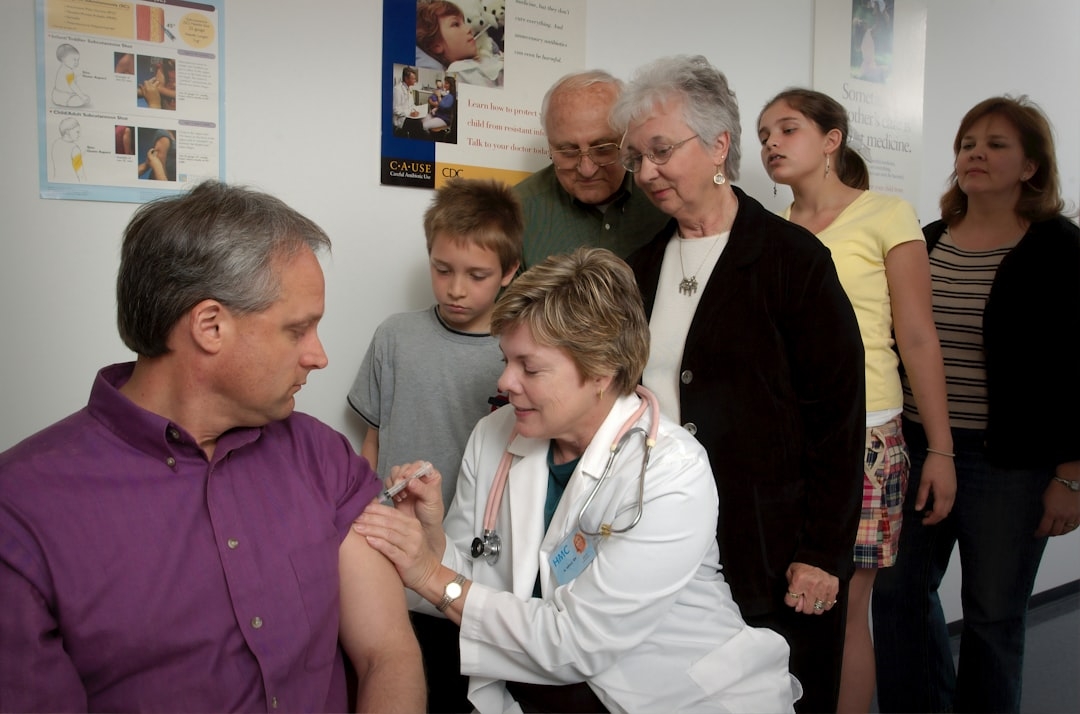
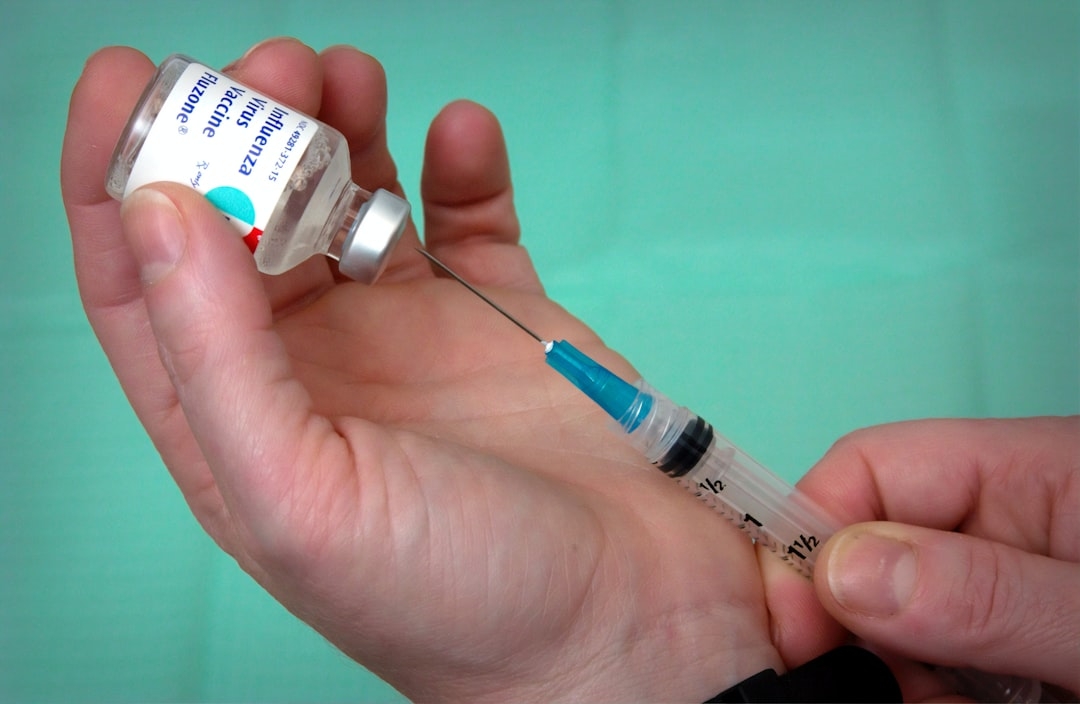
Encouraging mistrust in vaccines can have immediate consequences beyond autism. Vaccine hesitancy contributes to outbreaks of preventable diseases such as measles and whooping cough. The involvement of vocal anti-vaccine advocates on federal panels risks legitimizing misinformation, misleading families and healthcare providers alike.
Moreover, promoting dangerous treatments like chelation without proper scientific backing can cause physical harm. For instance, chelation therapy has been linked to kidney damage and even death when used inappropriately.
What Can Concerned Individuals Do?
For people seeking guidance, it is essential to rely on trusted sources such as the Centers for Disease Control and Prevention (CDC), the World Health Organization (WHO), and major autism research organizations.
Critical thinking is your ally. Question extraordinary claims that lack scientific support. When evaluating autism interventions, prioritize those backed by credible clinical trials and expert consensus.
Remember: the scientific method involves rigorous testing, peer review, and reproducibility. Treatments not passing these standards should be viewed with caution.
When Should You Trust Autism Treatment Recommendations?
Legitimate autism interventions often come from multidisciplinary teams, including doctors, psychologists, and therapists, following guidelines issued by recognized medical bodies. If a treatment sounds like a quick fix or claims to cure autism entirely, be wary.
What Should Federal Committees Prioritize?
Federal panels should focus on evidence-driven research and support policies improving screening, early intervention, and quality of life for people with autism. Transparent processes and expert input from scientists committed to public health must guide their decisions.
Failure to do so risks undermining progress and public trust in health institutions.
Summary
Robert F. Kennedy Jr.'s appointments to the federal autism committee have placed individuals advocating conspiracy theories and unsafe autism treatments in influential roles. This situation threatens to skew autism research and policy away from evidence-based practices.
The ramifications include increased vaccine hesitancy, public confusion, and harmful medical practices. It highlights the ongoing challenge of combating misinformation in health and science.
Concrete Action: Verify Claims in 20 Minutes
To test your understanding, spend 20 minutes researching autism treatment recommendations on websites like the CDC (https://www.cdc.gov/autism) or Autism Speaks (https://www.autismspeaks.org). Compare their advice with claims made by controversial figures to see how science-based guidelines differ from conspiracy theories.
Technical Terms
Glossary terms mentioned in this article








Comments
Be the first to comment
Be the first to comment
Your opinions are valuable to us