
The United States is confronting a troubling rise in measles cases in 2024. Since October 2023, South Carolina alone has reported more than 600 confirmed infections, with hundreds more potentially exposed. This resurgence challenges past assumptions that measles outbreaks were largely controlled across the country. What is driving this upward trend, and why should we be skeptical of easy fixes?
How Does Measles Spread So Rapidly in Today's Context?
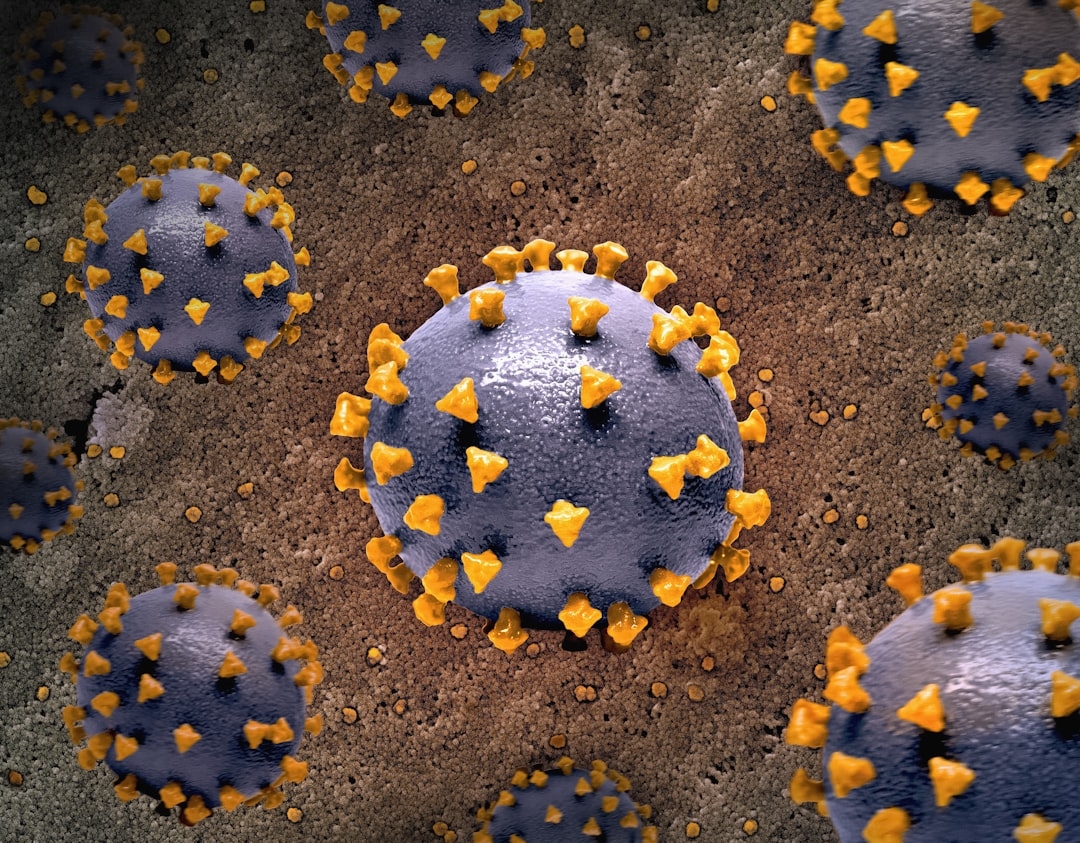
Measles is one of the most contagious viruses known to humans. It spreads through respiratory droplets when an infected person coughs or sneezes, lingering in the air and on surfaces for several hours. The basic reproduction number (R0) of measles is between 12 and 18, which means one infected individual can spread the disease to 12 to 18 others if they aren’t immune.
This high transmission rate explains why outbreaks can explode in clusters, especially in communities with lower vaccination rates. The current outbreak in South Carolina has drawn attention to pockets where vaccine hesitancy or access issues have led to reduced immunity.
Why Vaccine Coverage Matters More Than Ever
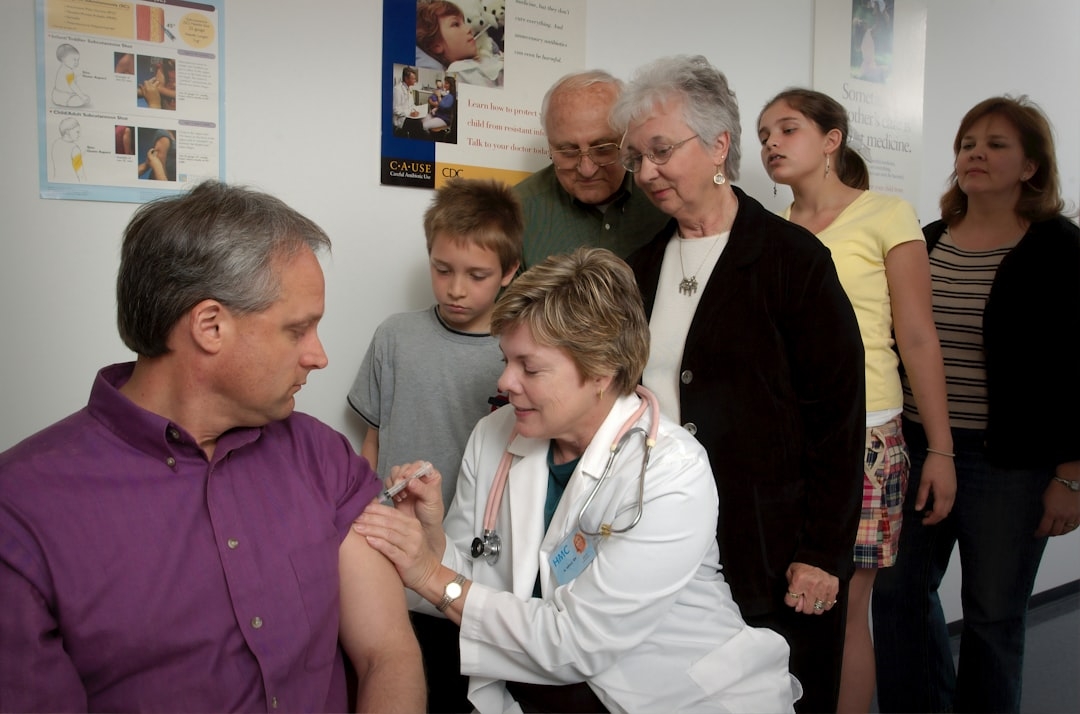
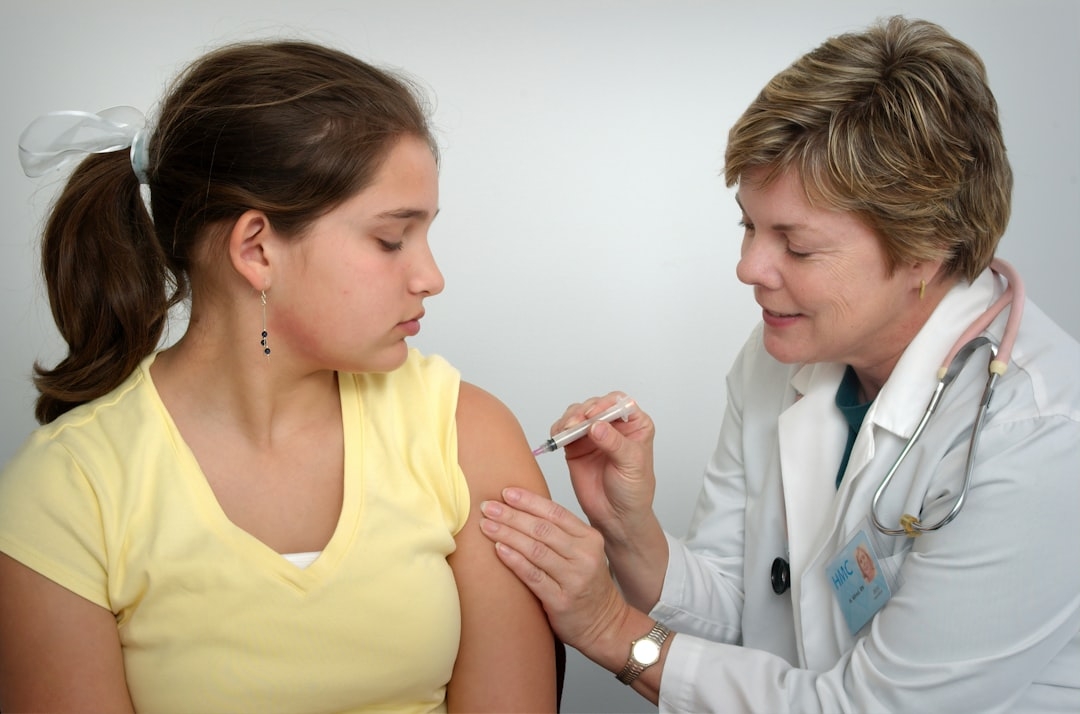
The measles vaccine is highly effective; two doses provide about 97% protection. However, it only works if a sufficient percentage of the population is vaccinated to maintain herd immunity. Experts estimate that roughly 95% vaccination coverage is necessary to prevent sustained outbreaks. When coverage dips below this threshold, the virus exploits the immunity gaps.
In recent years, misinformation campaigns and logistical barriers have contributed to declining vaccine rates in some areas. South Carolina’s outbreak illustrates this chilling reality—communities that previously believed the battle against measles was won now face renewed risk.
What Went Wrong Despite Past Successes in Measles Control?
The US achieved measles elimination status in 2000, but that milestone reflects the absence of continuous transmission, not the total eradication of the virus. International travel and uneven vaccine uptake have combined to reignite outbreaks.
Additionally, the COVID-19 pandemic had indirect effects on routine immunization schedules. Many children missed or delayed vaccines due to lockdowns and healthcare disruptions. This created vulnerabilities ripe for exploitation by measles.
Public health responses often react to outbreaks after cases surge instead of preventing them proactively. This approach resembles fixing a leaky pipe by mopping floors repeatedly instead of addressing the source.
How Does This Outbreak Challenge Conventional Assumptions?
It’s tempting to assume that vaccine hesitancy alone is responsible. But the full picture involves complex social, economic, and healthcare dynamics. For example, limited healthcare access in rural or underserved areas can delay vaccinations regardless of beliefs.
Furthermore, measles symptoms can appear mild initially, causing under-detection and delayed isolation. These gaps are akin to software bugs that remain hidden until they cause a system-wide failure, underscoring why robust surveillance and quick action are vital.
What Strategies Are Being Employed to Contain the Outbreak?
Health authorities in South Carolina and beyond have implemented several containment measures:
- Mass vaccination campaigns targeted at unvaccinated or under-vaccinated populations
- Public awareness efforts to combat misinformation and encourage immunization
- Contact tracing and quarantine of exposed individuals to break chains of transmission
- Enhanced surveillance in schools and community centers to detect cases early
These measures can slow the spread, but the effectiveness depends on rapid deployment and public cooperation. Just like in cybersecurity, where patching vulnerabilities quickly prevents breaches, timely vaccination and monitoring are crucial to halting measles.
Why Is Measles Still a Threat in 2024?
Despite technological advances, measles thrives on gaps in prevention infrastructure. The virus exploits societal weak points—whether misinformation, access inequality, or complacency. The current outbreak serves as a warning that public health victories require sustained effort and vigilance.
Moreover, measles infection is not trivial. Beyond a rash and fever, it can cause serious complications including pneumonia, encephalitis, and death, especially in children and immunocompromised individuals. The resurgence reminds us that no infectious disease can be fully defeated without persistent attention.
How Can Individuals Assess Their Risk and Take Action?
Understanding your personal and community risk involves assessing vaccination status and local outbreak reports. If you or your children are unvaccinated or have incomplete immunization records, speaking with a healthcare provider about measles vaccination is critical.
Communities should also support transparent communication channels, combat misinformation actively, and facilitate vaccine access where needed. These are practical steps anyone can evaluate and promote.
Key Takeaways for Facing Measles Challenges
- Measles remains highly contagious and can spread quickly in populations with insufficient coverage
- Vaccination is the best defense but requires widespread adoption and ongoing vigilance
- Public health success depends on proactive surveillance and rapid outbreak response
- Information accuracy and access are critical to closing immunity gaps
- The current outbreak highlights societal trade-offs between individual decisions and communal health outcomes
If we think of measles as a persistent bug in a complex system, fixing it requires coordinated patching and responsible upkeep—not just reactive firefighting.
Practical Framework: Evaluating Your Community’s Measles Preparedness
Within 10-20 minutes, you can apply this quick evaluation framework:
- Check local public health websites or the CDC for recent measles cases in your area
- Review vaccination coverage levels among your family and community schools or workplaces
- Identify any barriers to vaccination: misinformation sources, logistic hurdles, or healthcare access problems
- Contact a healthcare provider if any vaccinations are missing or incomplete
- Engage with community leaders to support education and vaccination programs
This straightforward audit can reveal hidden vulnerabilities and help you make informed decisions to reduce risk effectively.
Ultimately, the fight against measles outbreaks requires both individual responsibility and community cooperation. Staying informed and proactive offers the best chance to keep this highly contagious disease at bay.
Technical Terms
Glossary terms mentioned in this article








Comments
Be the first to comment
Be the first to comment
Your opinions are valuable to us