
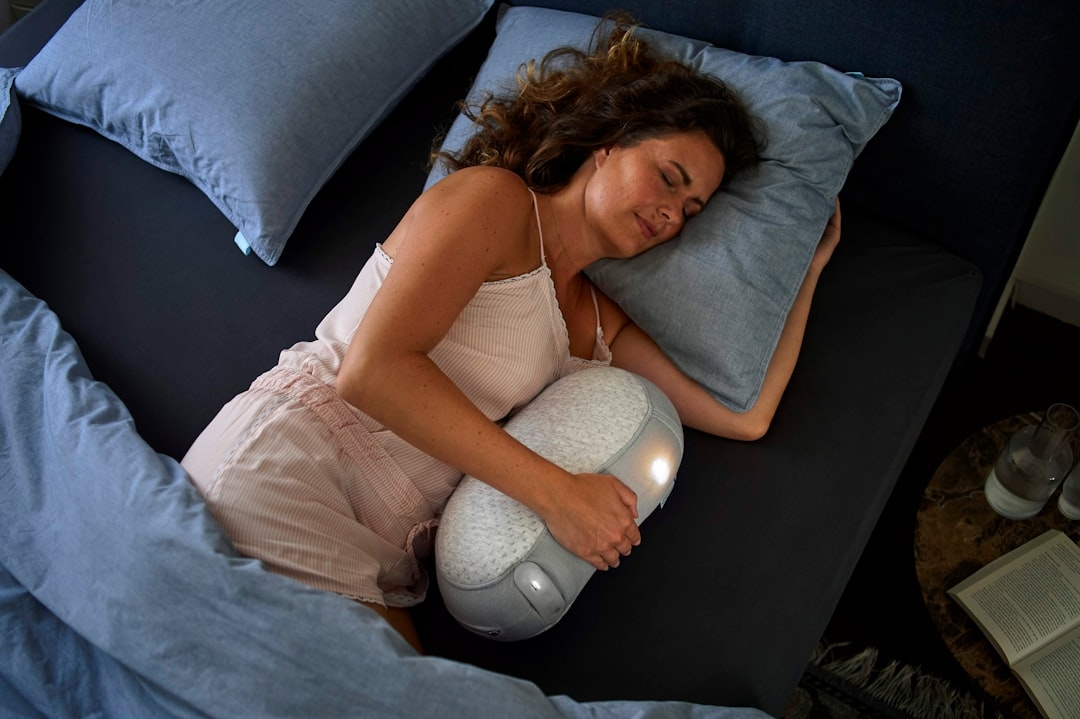
Many people associate sleep apnea treatment almost exclusively with cumbersome CPAP machines. While these devices have been the standard for decades, their bulkiness and discomfort often lead to poor adherence and limited success for patients. Recent innovations in technology have started to offer promising alternatives, giving patients more options and better quality of life.
This article explores these advancements, dissects the pros and cons of emerging therapies, and helps you navigate when to consider each option. If you've struggled with CPAP or are just beginning to understand sleep apnea, this guide aims to clarify what’s really changing in treatment today.
What Are the Main Approaches to Sleep Apnea Treatment Today?
Sleep apnea is a condition where airflow is repeatedly blocked during sleep, causing interrupted breathing and poor rest. The most recognized treatment has long been the Continuous Positive Airway Pressure (CPAP) machine, which delivers steady air pressure to keep airways open.
However, the field now includes several alternatives:
- CPAP Machines – Still widely used, these require wearing a mask connected to a machine during sleep.
- Oral Appliance Therapy – Customized devices worn in the mouth to reposition the jaw and keep airways open.
- Implantable Devices – Such as hypoglossal nerve stimulators that electrically activate muscles to prevent airway collapse.
- Lifestyle and Surgical Options – Weight management, positional therapy, or surgeries to remove airway obstructions.
Each approach varies in complexity, comfort, cost, and effectiveness.
How Does CPAP Technology Work and Why Is It Often Challenging?
CPAP machines create a constant airflow that acts like a pneumatic splint, preventing the airway from collapsing. Despite its effectiveness, many people find CPAP uncomfortable or disruptive. Masks can irritate the skin, cause claustrophobia, and their noise can interfere with sleep partners.
These issues commonly lead to non-compliance, with estimates suggesting up to 50% of users abandon CPAP within the first year. The discomfort and device management can overshadow the clear health benefits, prompting exploration of other technologies.
What Are the Newer Technological Alternatives for Sleep Apnea?
Emerging treatment options aim to tackle the limitations of CPAP by increasing comfort and convenience:
Oral Appliance Therapy
Custom-fitted mouthpieces work by moving the lower jaw forward to keep the airway open during sleep. They are less intrusive than CPAP and easier to travel with. However, they are generally recommended for patients with mild to moderate sleep apnea.
Hypoglossal Nerve Stimulation
This implantable device senses breathing patterns and stimulates the nerve controlling tongue movement to prevent airway blockage. It offers freedom from masks and can significantly improve sleep quality, but involves surgery and is typically reserved for patients intolerant to CPAP.
Positional and Lifestyle Technologies
Innovations like positional alarms remind users to avoid sleeping on their backs, where apnea worsens. Additionally, weight management apps and smartwearables track sleep health, supporting holistic treatment plans.
When Should You Consider Alternatives to CPAP?
Choosing the right approach depends on the severity of your condition, lifestyle, and tolerance to treatment. Here are practical indicators:
- Mild to Moderate Sleep Apnea: Oral appliances or positional therapy might suffice.
- Severe Sleep Apnea with CPAP Intolerance: Implantable nerve stimulators or surgical options become relevant.
- Lifestyle Factors: Weight loss, improved sleep hygiene, and avoiding alcohol can complement any treatment.
It’s critical to consult with a sleep specialist to tailor treatment to your needs.
What Are Common Mistakes in Sleep Apnea Treatment?
Many patients and even clinicians encounter pitfalls that reduce treatment effectiveness:
- Ignoring Discomfort: Persisting with an ill-fitting CPAP mask often leads to abandonment instead of seeking alternatives or adjustments.
- Assuming One-Size-Fits-All: Overreliance on CPAP without exploring milder or hybrid solutions might diminish overall care.
- Neglecting Lifestyle: Underestimating the impact of weight, sleep position, and habits causes missed opportunities for improvement.
- Delaying Specialist Consultation: Self-managing the condition without professional input can prolong health risks.
How Can Hybrid Solutions Improve Sleep Apnea Care?
Combining treatments can address the trade-offs between comfort, effectiveness, and compliance. For example, oral appliances plus positional therapy can handle mild cases well, while patients using CPAP might benefit from improved mask fitting and adjunct weight management.
Tailored approaches avoid the pitfall of insisting on a single therapy and respect patient lifestyle and preferences.
What Steps Can You Take Now to Improve Sleep Apnea Treatment?
If you’re struggling with sleep apnea treatment, here’s a practical step-by-step checklist:
- Evaluate your current comfort and adherence to CPAP or other devices.
- Keep a sleep diary tracking quality, disruptions, and device usage.
- Consult your sleep specialist to discuss new technologies and possible alternatives.
- Consider a sleep study reassessment if symptoms persist despite therapy.
- Explore lifestyle changes such as weight management and sleep hygiene improvements.
By actively monitoring and communicating, you can optimize your treatment path.
Understanding Sleep Apnea Treatment Is Crucial for Better Health
Sleep apnea impacts millions worldwide, often silently damaging cardiovascular and cognitive health. Technology is gradually shifting treatment away from one-size-fits-all CPAP therapy to more personalized, tolerable solutions.
While no single method is perfect, staying informed on advances and collaborating closely with healthcare providers boosts the chance of restful sleep and improved well-being.
Your next move: Spend 20-30 minutes tonight reviewing your current therapy comfort, noting challenges, and preparing questions for your sleep doctor. Small adjustments can lead to big improvements.
Technical Terms
Glossary terms mentioned in this article













Comments
Be the first to comment
Be the first to comment
Your opinions are valuable to us