
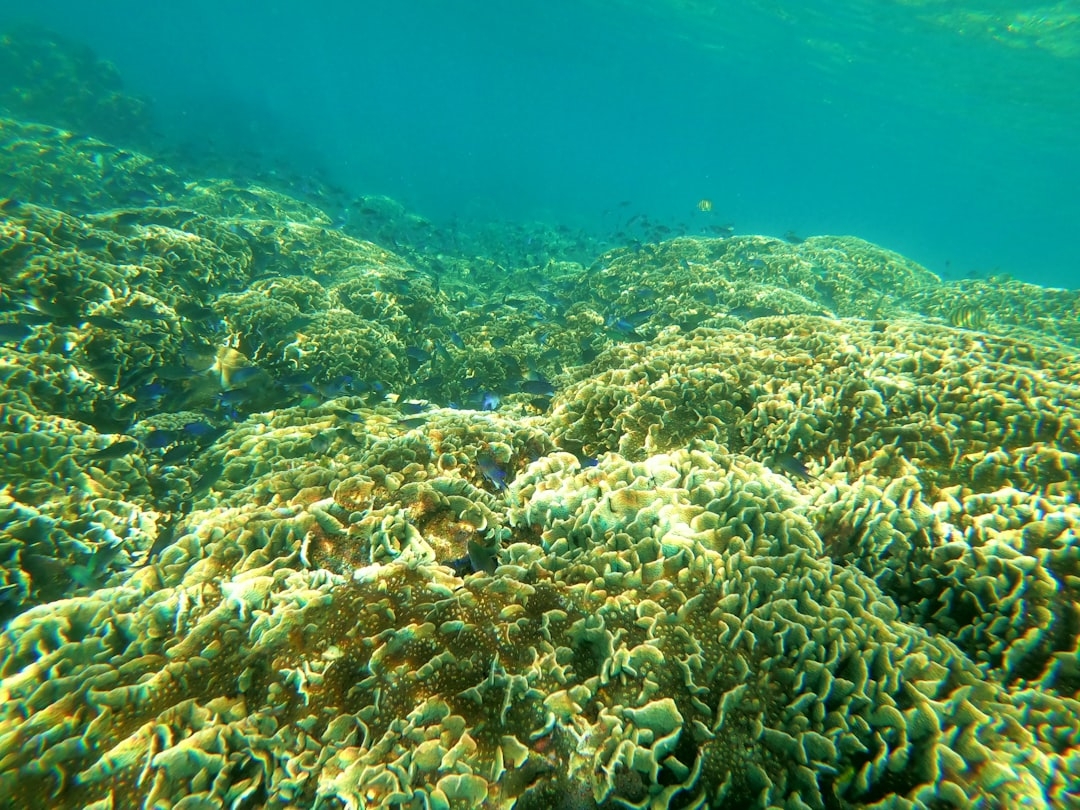
From witnessing firsthand the vibrant coral reefs of the Great Barrier Reef to seeing bleached, ghostly underwater landscapes, the change is undeniable. These vivid changes are not just isolated incidents; they are warnings from nature that we cannot ignore. Coral bleaching events, which have increased dramatically in recent years, are telling us the Earth’s ecosystems are nearing a critical environmental tipping point.
What Is Coral Bleaching and Why Should You Care?
Coral bleaching occurs when corals, stressed by higher water temperatures or other environmental factors, expel the tiny algae known as zooxanthellae that live inside them. These algae provide corals with food through photosynthesis and give them their vivid color. Without these algae, corals turn white—hence the term “bleaching.” If the stress continues, the coral can die. These events are a direct response to rising ocean temperatures caused by climate change.
Think of corals like a houseplant that loses its leaves when it’s not cared for well. Without its leaves (the algae), it withers and eventually dies. This analogy helps understand how fragile coral ecosystems truly are, and why their decline is a stark signal of broader environmental problems.
Why Are Today’s Coral Bleaching Events the Worst Climate Warning?
Recent years have seen some of the worst global coral bleaching events on record. These episodes have devastated vast reef areas, reducing biodiversity and jeopardizing marine life that depends on these ecosystems. Unlike localized environmental damages, global bleaching indicates systemic environmental stress, particularly from climate warming and ocean acidification.
- Between 2014 and 2017, back-to-back bleaching events affected nearly all reefs worldwide.
- In 2023 alone, severe bleaching was reported across the Pacific and Indian Oceans, showing no signs of slowing.
- Corals support over 25% of all marine species, so their loss threatens entire food webs and fisheries.
This isn’t just about beautiful underwater scenery fading away; it signals a potential tipping point where ecosystems can collapse, leading to unpredictable and damaging consequences for the planet.
When Should You Be Alarmed by Coral Bleaching?
If you follow environmental news or dive tourism, you've likely heard of bleaching before. But why is it becoming more urgent? The frequency and intensity of bleaching events are increasing faster than corals can recover. This trend means:
- Reefs have less time to regenerate their populations.
- Entire reef systems may transform into algae-covered rubble.
- Coastal communities relying on reefs for food and protection face growing risks.
Hearing about a single bleaching event might not trigger concern, but repeated global scale events are a strong indicator of escalating climate stress.
Is Coral Bleaching the Only Climate Warning Sign?
No, but it’s one of the clearest. While rising temperatures, shrinking glaciers, and extreme weather grabs headlines, coral bleaching uniquely combines observable biological impact with the immediate economic and ecological consequences for millions worldwide.
Coral bleaching serves as a biological thermometer. It distills broad, complex climate threats into tangible and visible damage. This makes it an early warning that shouldn’t be overlooked.
When NOT to Use Coral Bleaching as Your Only Climate Indicator
Don’t rely solely on coral bleaching to gauge overall climate health. It represents oceanic conditions, but terrestrial ecosystems face other challenges not reflected in bleaching patterns. Also, local factors like pollution and overfishing can worsen coral health independently of climate change, so interpreting bleaching requires context.
What Can You Do to Address This Issue?
Understanding coral bleaching is the first step. Tackling climate change and environmental degradation needs collective and informed action:
- Support and advocate for policies reducing greenhouse gas emissions.
- Engage in or fund reef restoration projects.
- Choose sustainable seafood and reduce your carbon footprint.
- Stay informed about marine conservation efforts and volunteer if possible.
Each of these actions contributes to slowing the environmental tipping points that coral bleaching warns us about.
How Can You Verify Coral Bleaching Reports and Track Progress?
You don’t need to be a scientist to follow coral health updates. Websites like NOAA’s Coral Reef Watch provide real-time satellite data and bleaching alerts. Local dive centers and marine conservation groups often report on reef conditions as well.
By learning where and when bleaching is happening, you can appreciate the urgency and become a more effective advocate.
Final Thoughts
Coral bleaching today represents more than damaged reefs; it reflects the broader state of our environment and how close we are to crossing dangerous thresholds. It’s a vivid, urgent signal that simple business-as-usual won’t suffice.
Recognizing the problem through examples like coral bleaching empowers you to take real, tangible steps—whether through policy support, personal lifestyle changes, or community action—to help stabilize our planet’s future.
Take Action: Check Coral Reef Health in Your Area
Spend 20-30 minutes today visiting reliable coral health monitoring websites or local marine conservation groups. Bookmark resources like NOAA Coral Reef Watch or sign up for newsletters from environmental groups. Use this knowledge to inform a conversation in your community or workplace about climate change impacts and what can be done locally.
Technical Terms
Glossary terms mentioned in this article











Comments
Be the first to comment
Be the first to comment
Your opinions are valuable to us