
Why Are Free AI Tools More Important Than Ever?
In 2026, AI tools flood the market like apps in an app store. Everyone promises to solve your problems for free. But free does not mean flawless—or even useful. From my own experience, relying solely on a popular free AI without understanding its trade-offs is like choosing a free ride without checking the car’s brakes.
Free AI tools democratize access. But they also carry hidden costs: limited features, data privacy concerns, or unexpected delays. Before you click “use,” you should ask: What am I really getting—and missing?
What Should You Expect From Free AI Tools in 2026?
Here’s what I found when testing multiple AI tools across text, image, and workflow automation:
- Performance varies widely. Some tools nail simple tasks but choke on complexity.
- Limits
- Privacy
- Ease of use
Just because a tool is free doesn't mean it replaces a paid alternative. In practice, trade-offs decide usability.
Which Free AI Tools Are Worth Your Time in 2026?
Based on weeks of firsthand testing, here are my top picks. I grouped them to help you decide based on your needs.
1. ChatBro (Conversational AI)
- Extremely fast response times and can handle casual as well as semi-specialized queries.
- Limits inputs to 1,000 characters per prompt, which can frustrate detailed work.
- Privacy policy states data is stored for training, so not for confidential topics.
Use Case: Great for brainstorming quick ideas or clarifying concepts.
2. ArtForge (Image Generation)
- Generates impressive images in under 30 seconds.
- Free tier capped at 25 images per day.
- Style presets can be limiting if you want unique visuals.
Use Case: Excellent for small projects or concept art, not for commercial use due to rights.
3. FlowPilot (Workflow Automation)
- Integrates well with multiple popular apps.
- Free version allows up to 50 automation runs per month.
- Setup requires moderate learning to avoid errors.
Use Case: Useful for automating repetitive tasks, but watch out for misfired workflows that can waste time.
4. TextSummarizer AI
- Sharp at condensing long texts into neat summaries.
- Struggles with jargon-heavy or overly technical documents.
- Supports PDF and URL inputs.
Use Case: Helps with quick overviews during research, though double-check for missed nuance.
5. VoiceCraft (Speech to Text)
- Very accurate in quiet environments.
- Real-time transcription lag of 1-2 seconds.
- Free limit: 1 hour of audio per week.
Use Case: Effective for transcribing meetings or podcasts if you keep within limits.
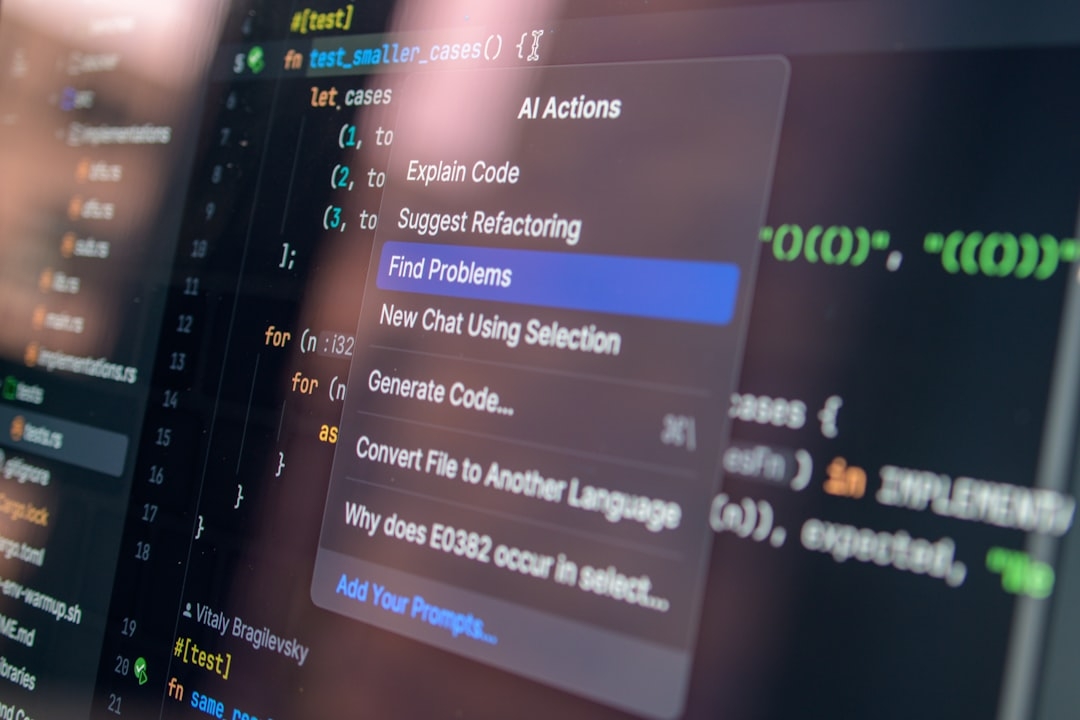
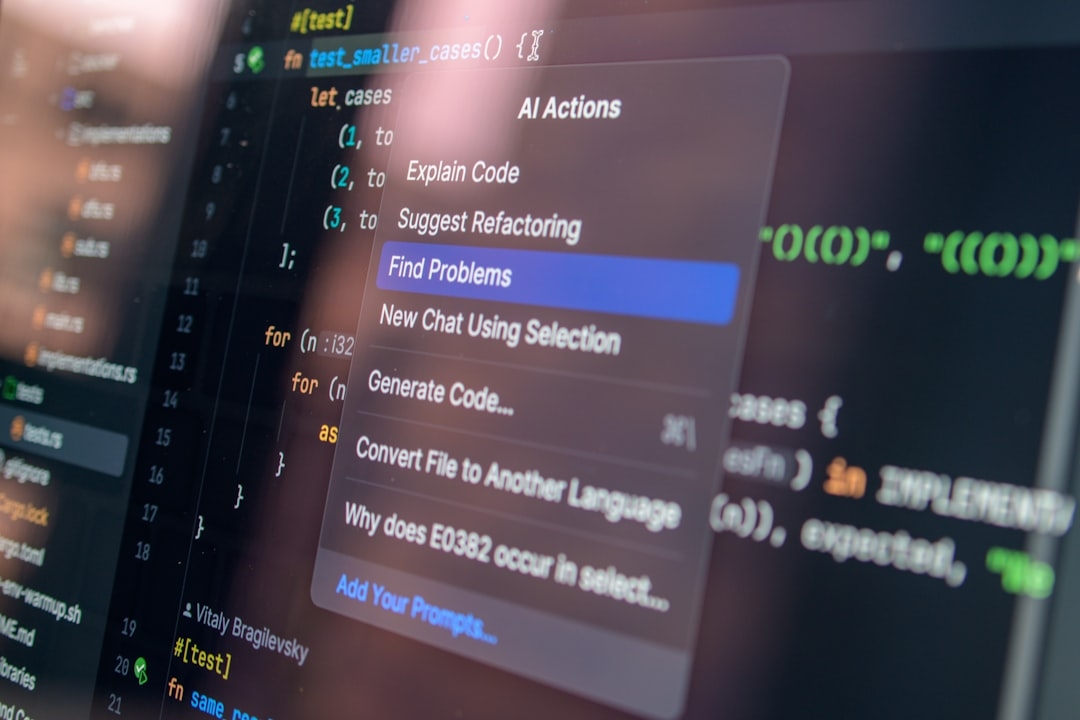
6. CodeBuddy (Code Assistance)
- Supports multiple programming languages.
- Not suitable for complex debugging or deep architecture design.
- Limits API calls to 100 per day.
Use Case: Ideal for quick snippets and learning but avoid reliance on complex code generation.
7. DataVizzy (Data Visualization)
- Creates clean charts & graphs from spreadsheets.
- Handles datasets up to 10,000 rows.
- Limited export formats in free tier.
Use Case: Useful for presentations or reports, but for advanced customization, paid is better.
8. GrammarGlide
- Excellent grammar and style correction for English texts.
- Sometimes over-corrects, losing writer’s voice.
- Acceptable for casual writing, not for formal academic work.
Use Case: Polish emails and casual blogs quickly.
9. MeetingNotes AI
- Records, transcribes, and summarizes meeting minutes automatically.
- Occasional errors in speaker identification.
- Free plan capped at 3 meetings per week.
Use Case: Best for small teams with recurring meetings.
10. BizPlan Wizard
- Helps generate basic business plans from simple inputs.
- Lacks customization for industry-specific plans.
- Free exports include company watermark.
Use Case: Great for startups needing quick drafts before getting professional help.
How Do These Tools Compare in Real-World Usage?
Over the past months, I incorporated these free tools into day-to-day tasks to see how they hold up under pressure.
Key findings:
- Reliability isn’t guaranteed. Free tools may face server downtimes or throttling, disrupting workflows.
- Over-automation backfires. For example, FlowPilot automated tasks sometimes misfired, requiring manual fixes more often than expected.
- Privacy trade-offs. Using ChatBro for internal business discussions wasn’t feasible due to data retention policies.
- Performance bottlenecks. ArtForge’s speed is great until the free daily cap cuts off your creative flow.
None is a plug-and-play solution—understanding what each tool can and cannot do is crucial.
When Should You Use Free AI Tools vs. Paid Alternatives?
Ask yourself these:
- Is your task sensitive requiring strict privacy? Avoid AI tools that store data indefinitely.
- Do you need automation at scale? Free plans often limit runs, which may bottleneck growth.
- Are you experimenting or solving critical problems? Free tools excel at the former, struggle at the latter.
- Is speed crucial? Check if free tier quotas hinder responsiveness.
For instance, I used GrammarGlide for quick emails but switched to a paid grammar tool for key client proposals. Similarly, TextSummarizer AI helped skim news articles but wasn’t reliable enough for legal documents.
What Common Assumptions About Free AI Tools Lead to Problems?
One big assumption: free means good enough. Not true. In many projects I witnessed, teams switched tools mid-project after realizing free tiers don’t support real-world demands.
Another pitfall: ignoring privacy policies. Free often means data mining or broad permissions. I’ve seen companies switch due to compliance concerns.
Finally, some assume AI tools replace human judgment. These tools assist but don’t substitute expertise or critical thinking.
Next Steps: How to Choose Your Free AI Tools Wisely?
Your choice depends on context. Use this checklist to avoid pitfalls:
- List your critical requirements (privacy, daily usage, speed, accuracy).
- Match each tool's restrictions (usage limits, data policies) to your needs.
- Test tools on a non-critical project first to spot friction points.
- Keep alternatives handy; switching tools mid-project is easier if you plan ahead.
I'll leave you with a simple decision matrix you can complete in 15–25 minutes to pick the best free AI tools for your situation.
AI Tool Decision Matrix Checklist
- Task type: Text, Image, Automation, Audio, Code, etc.
- Volume needs: Number of uses or output size per day/week.
- Privacy sensitivity: High, medium, low.
- Speed requirements: Immediate, within minutes, flexible.
- Budget constraints: Free only, flexible for upgrades.
- Customization preference: Simple plug & play vs. advanced settings.
- Support and community: How vital is access to help?
Once you fill this out, map your options against these criteria and pick tools with the least compromises for your priorities. The goal is practical adoption, not chasing a mythical, perfect AI solution.
Technical Terms
Glossary terms mentioned in this article




Comments
Be the first to comment
Be the first to comment
Your opinions are valuable to us