
The rapid evolution of AI-driven coding assistants took a significant step forward as OpenAI introduced a new agentic coding model shortly after Anthropic released its own version. This back-to-back launch highlights the fierce pace of innovation in AI development tools, with both models aiming to dramatically improve programmers' productivity and code quality.
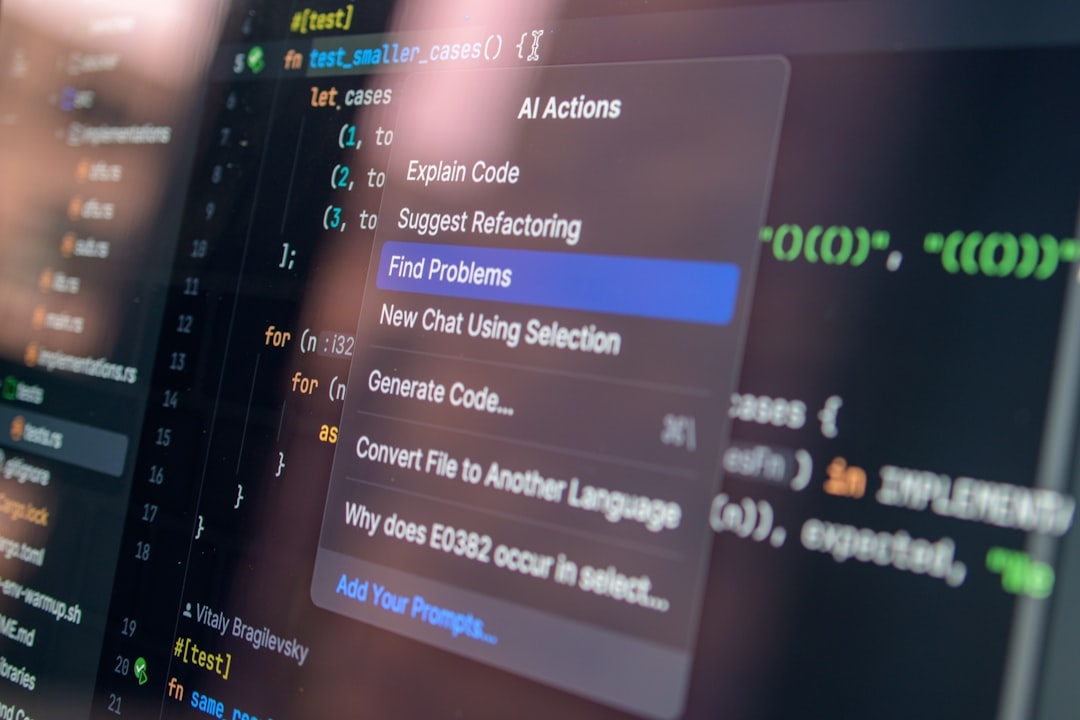
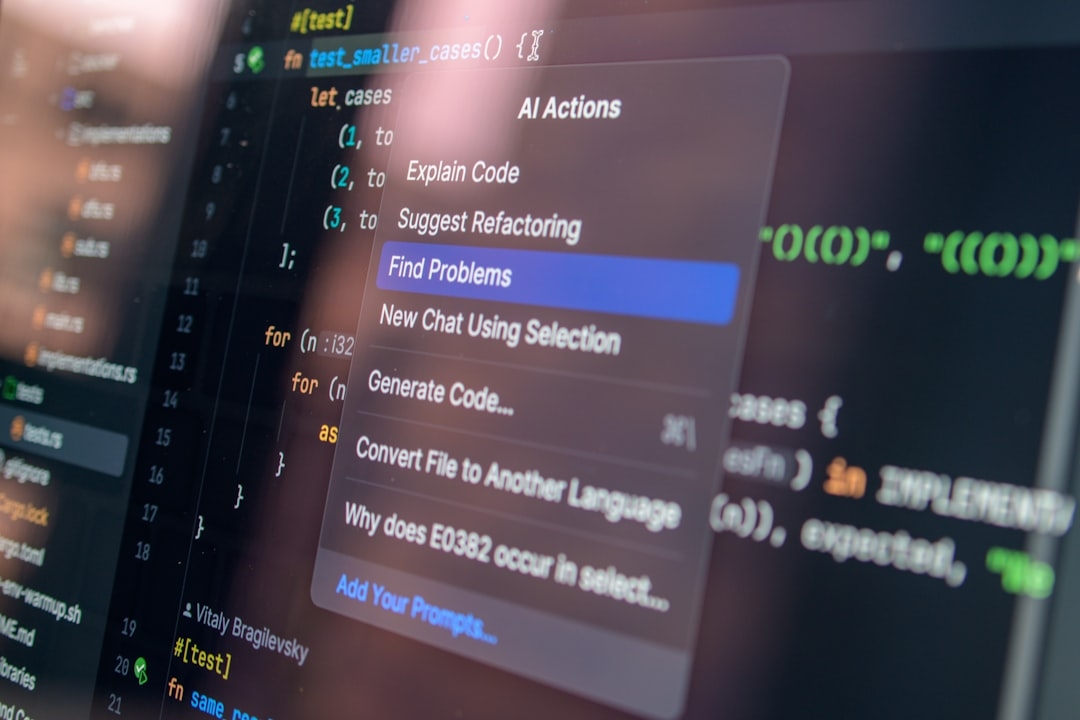
In the realm of software development, agentic coding models are specialized AI tools that can autonomously perform coding tasks, understand user intent, and adapt to complex programming contexts. OpenAI's model builds on Codex, the company's earlier agentic coding tool, aiming to accelerate development workflows and reduce manual coding effort.
What Exactly Is OpenAI’s New Agentic Coding Model?
OpenAI's latest model is designed to supercharge Codex's capabilities by providing more autonomous, context-aware support. Whereas Codex translates natural language instructions into functioning code snippets, the new model takes a more agentic approach, meaning it can execute sequences of coding tasks, make decisions based on context, and proactively assist developers.
Agentic coding refers to AI's ability to operate with some degree of independence, deciding how to break down a problem and synthesize solutions, rather than simply responding to isolated prompts. This evolution is essential because programming is rarely about solving one line or function at a time — it requires understanding the bigger picture, dependencies, and iterative testing.
How Does OpenAI’s Model Differ From Anthropic’s?
While both OpenAI and Anthropic launched agentic coding models in rapid succession, their approaches emphasize different strengths:
- OpenAI’s model advances an existing product, Codex, by extending its autonomy and decision-making capabilities. It focuses on accelerating developers’ workflows through contextual awareness and multi-step task handling.
- Anthropic’s model is built from a foundation that prioritizes safety and interpretability, aiming to reduce unexpected errors and improve reliability in code generation.
In practice, OpenAI’s model may be more aggressive in suggesting or automating code changes, whereas Anthropic’s might emphasize caution and safer outputs.
When Should You Use Agentic Coding Models?
Agentic coding models are best suited for tasks that go beyond simple code generation. Here are some scenarios where they can be particularly impactful:
- Automating repetitive coding tasks such as boilerplate generation or configuration scripting.
- Handling large context scopes, like understanding full project structures or integrating multiple APIs.
- Generating multi-step workflows, like automating build scripts or test suites.
However, these tools are not flawless. They may occasionally produce plausible but incorrect code or misunderstand nuanced project specifications. Developers should always review and test AI-generated code before deployment.
What Are The Trade-Offs To Consider?
Introducing autonomy in coding AI involves balancing speed and control:
- Increased autonomy can speed up development but may reduce predictability, introducing subtle bugs if the AI misinterprets context.
- Safety-focused models might generate more reliable code but at the cost of slower iteration or less creative solutions.
- Integrating these models into existing workflows requires adaptation and monitoring, particularly for large teams or critical systems.
Based on my experience using early agentic tools in production, the key lies in understanding when to trust AI judgement and when to retain manual oversight.
How Can You Test OpenAI’s Agentic Coding Model Yourself?
Given the novelty and evolving nature of these models, a practical way to verify their capabilities is through a focused experiment:
- Choose a moderately complex coding task, such as building a small full-stack application feature or automating part of a testing pipeline.
- Use OpenAI’s agentic coding model to generate the initial codebase or workflow automation.
- Carefully review for correctness, edge cases, and security concerns.
- Iterate by instructing the AI to fix or improve the generated code.
- Compare your productivity and code quality against manually written code for the same task.
This hands-on approach will demonstrate the model’s real-world utility and highlight areas where human involvement remains crucial.
AI-assisted coding is rapidly advancing, but it demands thoughtful adoption. By understanding the strengths and limitations of agentic coding models like OpenAI’s latest release, developers and organizations can harness AI to enhance their workflows while managing risks effectively.
Technical Terms
Glossary terms mentioned in this article





Comments
Be the first to comment
Be the first to comment
Your opinions are valuable to us