
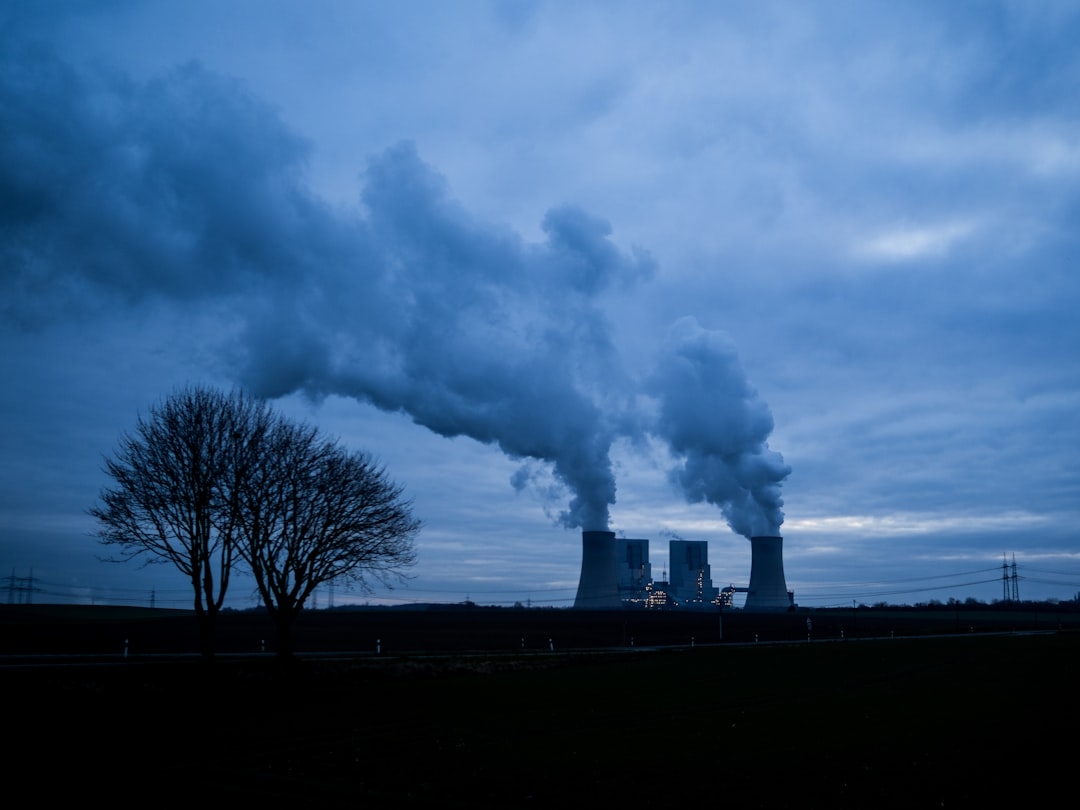
As artificial intelligence (AI) technologies rapidly expand, their growing energy consumption is drawing increased scrutiny. Much like turning up a powerful engine, ramping up AI operations means data centers demand substantially more electricity. A recent analysis highlights a concerning trend: US power plant carbon emissions could surge due to AI's energy needs over the next ten years. But does this energy boom inevitably mean a carbon nightmare? Not necessarily.
Why Will AI Increase Carbon Emissions in the US?
Data centers powering AI workloads consume tremendous amounts of energy—both in computation and cooling. This energy demand primarily comes from the electric grid, which in the US still relies significantly on fossil fuels like natural gas and coal. Consequently, as AI applications scale, the energy used by these data centers could trigger a sharp rise in greenhouse gas emissions from power plants.
The analysis projects emissions growth in tandem with AI adoption, painting a picture where demand may outpace improvements in energy efficiency or renewable energy supply. This increase in emissions directly counters the climate goals set by both governments and corporations.
How Does Renewable Energy Fit Into the AI Energy Puzzle?
Renewable energy sources such as solar, wind, and hydropower offer a cleaner alternative to fossil fuels. Integrating renewables into the energy mix that data centers draw from can curb the rise in carbon emissions despite increasing electricity use. This approach helps to lower the carbon intensity of AI operations.
However, the transition to renewables isn't without challenges. Renewable energy's variable nature—solar and wind depend on weather conditions—makes supply inconsistent. Addressing this requires investments in energy storage, grid modernization, and demand response strategies.
Why Aren’t Renewables Already Solving This?
Many power grids are still in the early stages of renewable integration. Additionally, data centers often operate 24/7, demanding constant power, which renewables alone currently struggle to guarantee without backup systems. Therefore, without significant upgrades and policy support, the rise in AI-related electricity consumption can still translate to increased emissions.
What Are the Trade-Offs Between Emissions and Energy Costs?
While fossil fuel-powered electricity may appear cheaper in the short term, the rising demand from AI could push prices higher due to resource constraints and regulatory costs on carbon emissions. Renewables, though capital-intensive initially, can offer stable long-term pricing by reducing reliance on volatile fuel markets.
This trade-off poses a dilemma for businesses and policymakers aiming to balance affordability with environmental responsibility. Selecting energy sources impacts carbon emissions, operational expenses, and public perception.
How Can Businesses and Policymakers Implement Effective Solutions?
Shift planning needs to consider multiple components:
- Energy sourcing: Prioritize purchasing green energy or renewable energy certificates to offset carbon footprints.
- Efficiency improvements: Invest in data center design that optimizes cooling and server utilization.
- Grid collaboration: Work with utilities to expand renewable capacity and support grid reliability.
- Policy incentives: Encourage subsidies and regulations favoring clean energy adoption.
Moving beyond simple energy demand forecasts to actionable strategies is key for long-term sustainability.
Quick Reference: Key Takeaways
- AI growth will significantly increase US data center energy consumption.
- This rise in electricity demand risks higher carbon emissions from fossil-fueled power plants.
- Renewable energy use can reduce emissions and stabilize electricity prices but requires systemic changes.
- Efficiency and policy support are crucial in managing environmental impact without sacrificing AI’s benefits.
What Are the Future Impacts of AI’s Energy Use?
Unchecked growth of AI-related energy demand risks derailing carbon reduction targets critical to combating climate change. But combining renewable energy adoption with smarter energy management offers a pathway to reconcile robust AI development with environmental sustainability.
The choices industries and governments make now will shape how AI’s incredible promise aligns with climate realities. Decisive, informed actions can ensure the AI boom doesn’t come at the cost of the planet.
How Should You Decide Your Energy Strategy?
To make a clear decision, evaluate:
- Your organization's current and projected AI energy use.
- The carbon intensity of your local electricity grid.
- Availability and cost of renewable energy options.
- Opportunities to improve data center efficiency and optimize workloads.
- Policy incentives or regulatory pressures impacting energy sourcing.
Completing this quick checklist within 20 minutes can help clarify the best strategic balance between emissions reduction and operational costs in your AI implementations.
Technical Terms
Glossary terms mentioned in this article














Comments
Be the first to comment
Be the first to comment
Your opinions are valuable to us