
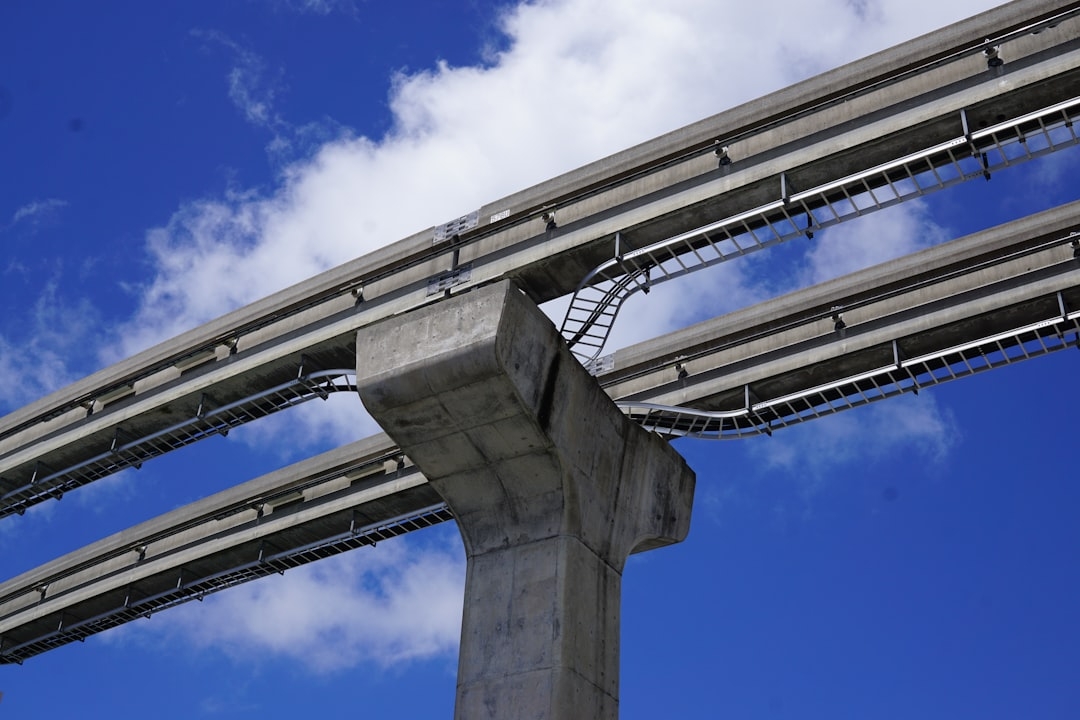
When Mark Zuckerberg announced Meta's plan to create its own AI infrastructure, it marked a major shift in how the company approaches artificial intelligence. Rather than relying solely on third-party solutions, Meta is building a dedicated system tailored to its specific AI needs, pushing the boundaries of scalability and performance.
This move is accompanied by a commitment to drastically expand Meta’s energy consumption over the coming years—an indication of how resource-intensive AI development really is. Understanding what this means for the AI industry and the challenges involved is crucial for anyone interested in how AI is evolving behind the scenes.
What Is Meta’s AI Infrastructure Initiative?
Meta’s AI infrastructure initiative is about designing and deploying custom hardware and software that can handle the massive data and computation requirements of advanced AI models. Instead of buying off-the-shelf components, Meta wants to control the entire stack—from chips to data centers—optimizing everything specifically for AI workloads.
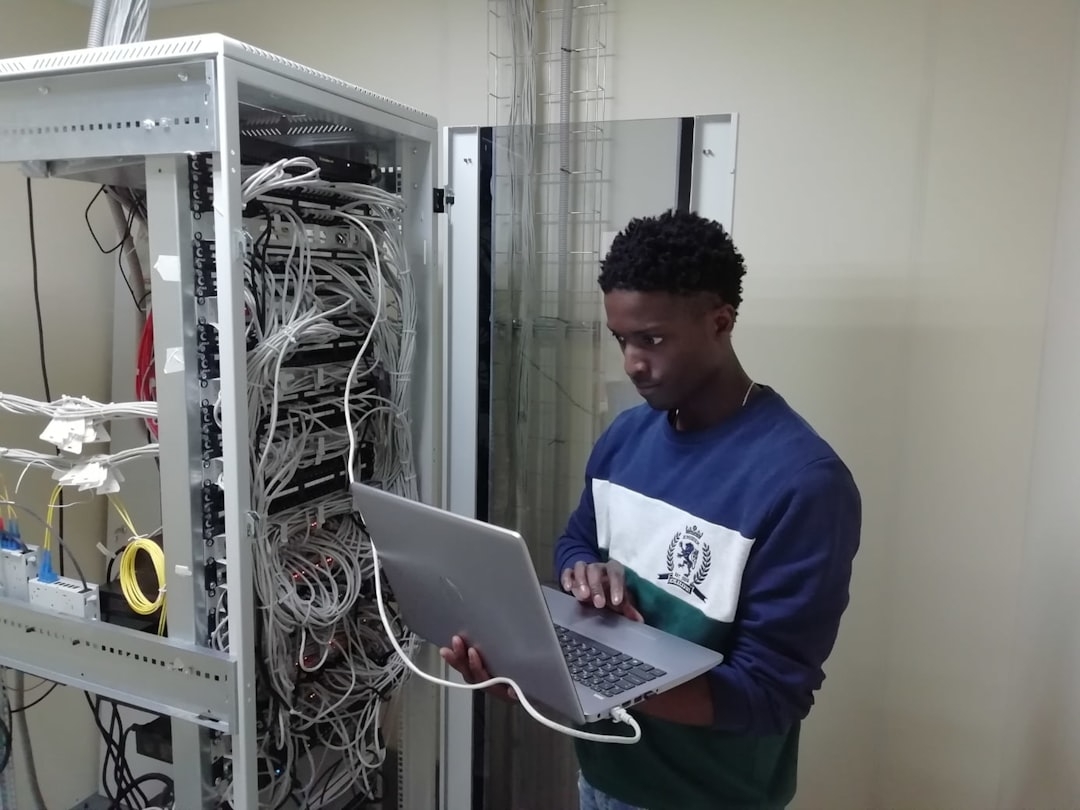
AI infrastructure refers to the physical and software systems that enable the training and deployment of AI models. This includes specialized processors, vast storage units, cooling systems, high-speed networks, and the software frameworks that orchestrate computing tasks.
How Does Meta Plan to Expand Its Energy Footprint?
Training large AI models demands enormous amounts of electricity. Meta’s announcement indicates that their energy use will grow significantly to power these new AI systems. Expanding the energy footprint means scaling up data centers with more servers and cooling equipment. While this boosts AI capabilities, it raises concerns about sustainability.
Energy in AI infrastructure usually comes from data centers running 24/7. These centers house thousands of high-performance GPUs and CPUs dedicated to processing AI computations. Meta’s new infrastructure will likely include custom AI chips that consume less power per operation, but the overall scale still requires a surge in energy.
Why Is Meta Building Its Own AI Infrastructure Instead of Using Existing Solutions?
Many companies buy AI hardware from manufacturers like NVIDIA or use cloud services from providers such as Amazon or Google. Meta’s strategy to develop its own infrastructure offers several advantages:
- Customization: Tailored hardware can improve efficiency and speed for Meta’s specific AI models.
- Cost control: Large-scale AI workloads can be expensive on third-party platforms—owning infrastructure saves money in the long run.
- Scalability: Building internally allows Meta to rapidly expand systems based on its roadmap without depending on external supply chains.
However, the trade-offs include huge upfront costs and technical risks. Meta must design chips, build data centers, and manage unprecedented operational complexity.
What Are the Common Misconceptions About AI Infrastructure?
A common assumption is that AI improvements mainly come from better algorithms or more data. While true, infrastructure plays an equally critical role. Without powerful and efficient hardware, running advanced models is impossible.
Another misconception is that cloud providers can indefinitely scale AI capacity effortlessly. Reality shows supply chain bottlenecks and physical limits pose challenges even for giants like Meta and Google.
What Are Some Real-World Examples of Meta’s Infrastructure Challenges?
During past AI model training, Meta has encountered delays caused by hardware shortages or inadequate cooling systems. For example, training a large language model required careful balancing of energy consumption and computation speed; insufficient infrastructure meant longer training times and higher costs.
Meta’s AI infrastructure initiative aims to prevent such issues by designing data centers with custom cooling technology and tailored chipsets that maximize performance while reducing waste.
How Does Meta’s AI Infrastructure Impact AI’s Future?
Meta’s commitment indicates that AI is increasingly resource-hungry, pushing companies to rethink infrastructure strategies. As AI models grow in size and complexity, owning and innovating on infrastructure becomes necessary to stay competitive. Meta’s experience may set a precedent for others.
The increased energy use also demands advances in green technologies and efficiency to minimize environmental impact. Meta’s success or failures will reveal if scaling AI sustainably at this level is viable.
What Should Developers and AI Enthusiasts Keep in Mind?
Understanding AI infrastructure helps developers troubleshoot scaling problems, predict costs, and choose the right hardware environment for their models. The lessons behind Meta’s initiative teach that investing in infrastructure is just as important as algorithmic innovation.
Key takeaways include:
- Custom AI systems boost efficiency but carry risks of complexity and high initial costs.
- Energy demands for AI are substantial—energy planning must be integral to AI projects.
- Scaling AI without infrastructure bottlenecks ensures faster experimentation and deployment.
Step-by-Step Task: Evaluate Your AI Workload and Infrastructure Needs
In the next 20-30 minutes, review your current AI projects and answer these questions:
- What are the biggest bottlenecks in your AI training or deployment? CPU, GPU, network, or storage?
- Do you monitor energy consumption related to your AI workloads?
- Could customized hardware or cloud services tailored to your workload improve efficiency?
- What trade-offs are you making between cost, performance, and sustainability?
This simple diagnostic will help you align your AI infrastructure planning with your goals, inspired by Meta’s approach to tackling complex AI challenges.
Technical Terms
Glossary terms mentioned in this article









Comments
Be the first to comment
Be the first to comment
Your opinions are valuable to us