

Every year, the World Economic Forum’s annual meeting in Davos captivates global leaders across various industries. However, this year’s event felt noticeably different. Walking through the main promenade, you couldn’t miss the presence of tech giants like Meta and Salesforce, whose storefronts dominated the scene.
This shift raises an important question: why has Davos, traditionally a gathering focused on global economic and political issues, transformed into what feels more like a tech conference? Understanding this change helps shed light on the broader role technology plays in shaping economies and societies today.
Why Did AI and Tech Take Over Davos?
Artificial Intelligence (AI) was the undeniable star of Davos this year. The buzz wasn’t just about the usual policy discussions, but about breakthrough innovations and the impact of AI on every sector imaginable.
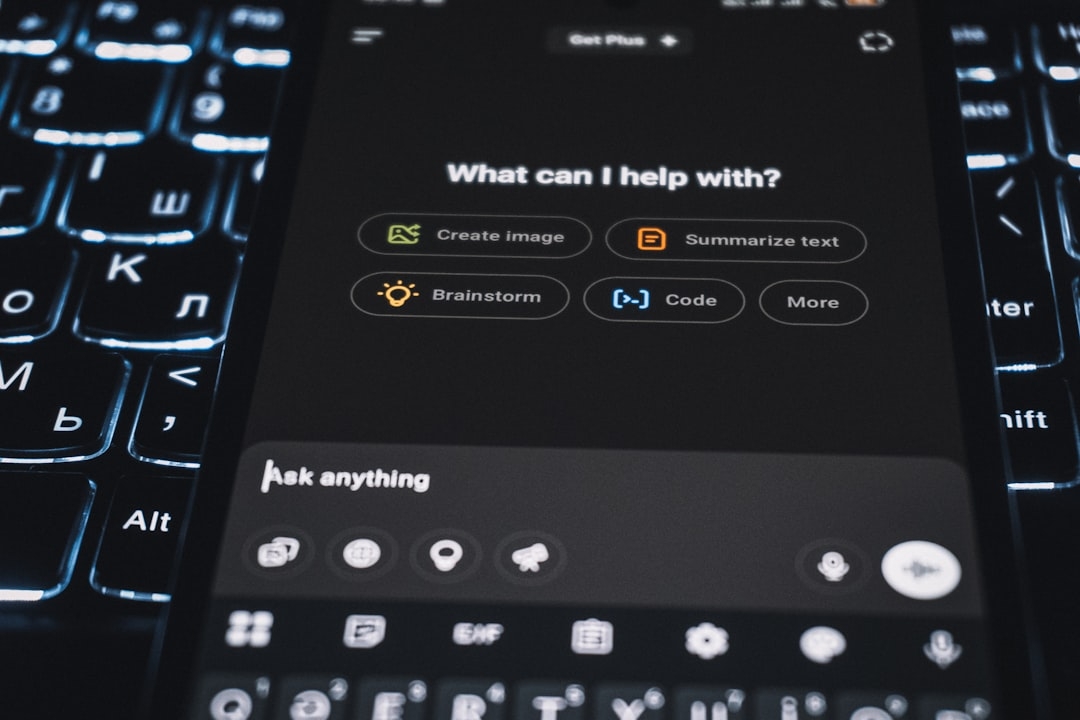
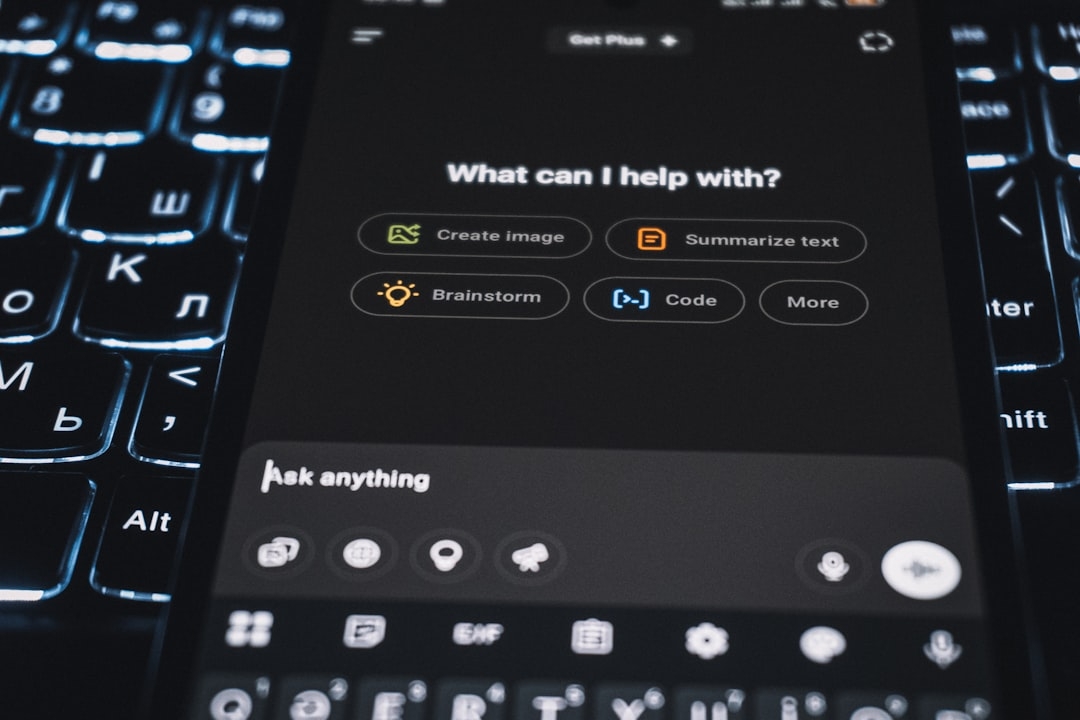
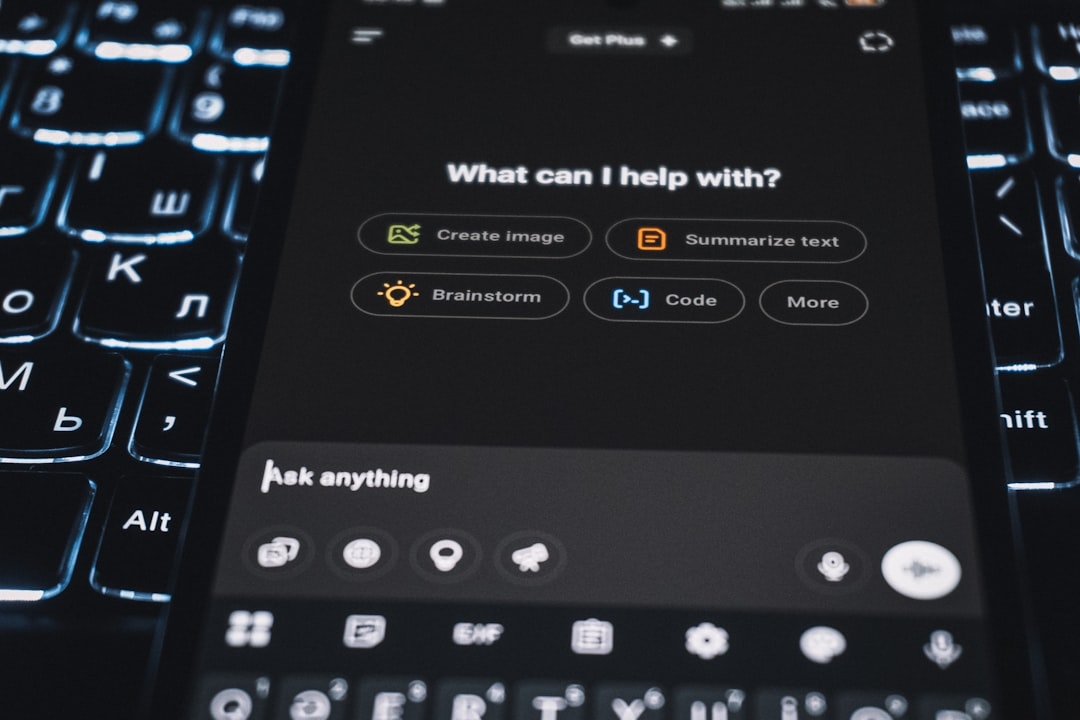
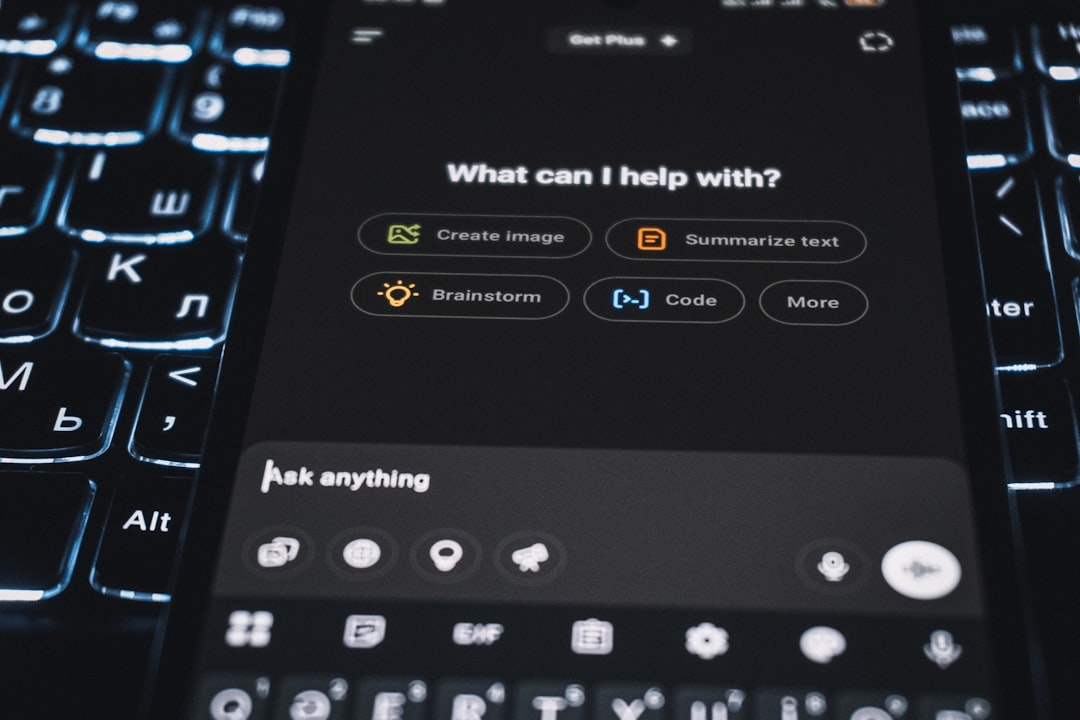
AI, which refers to computers and software capable of performing tasks that normally require human intelligence, has progressed rapidly. Companies like Meta and Salesforce showcased how AI tools can revolutionize everything from customer service to data analysis. Their prominent presence signaled how technology is now central to conversations about economic growth and global challenges.
What Makes Davos Feel More Like a Tech Conference?
Several factors contribute to this transformation. First, the physical presence of leading tech corporations with branded events and product demos created a distinctly tech-focused environment. This is a noticeable departure from previous years where finance, policy, and sustainability were the sole focus.
Second, the agenda itself was packed with sessions highlighting AI ethics, digital transformation, and technological governance. Such topics indicate the Forum’s recognition that technology isn’t just a tool but a driving force behind global change.
The Hype vs Reality of AI at Davos
It’s easy to get swept up in the excitement about AI's potential. But it’s important to distinguish hype from reality. Despite the grand visions and promises showcased, practical adoption often faces significant hurdles such as data privacy concerns, regulatory uncertainty, and implementation challenges within legacy systems.
For instance, while AI can automate routine tasks, many organizations struggle with integrating these technologies due to lack of skilled personnel or inadequate infrastructure.
What Are Common Misconceptions About AI From Events Like Davos?
- Misconception 1: AI will replace human jobs immediately. The reality is AI often augments human work rather than replaces it outright in the short term.
- Misconception 2: AI is a silver bullet for economic growth. While beneficial, sustainable growth requires policy, education, and infrastructure improvements.
- Misconception 3: All AI solutions are ready for immediate deployment. Many AI technologies are still experimental or require customization for different environments.
Are There Alternatives to the Tech-Centric Focus of Davos?
Yes, the increasing tech focus at Davos isn’t without critics. Some advocate for keeping the spotlight on broader socioeconomic issues that technology alone can’t solve.
Alternative forums and initiatives prioritize discussions on climate change, inequality, and geopolitical stability without centering on technology. While tech has a vital role, overemphasizing it risks overshadowing urgent non-technological challenges.
How Does This Shift Impact Future Davos Meetings?
The tech takeover signals a future where AI and related technologies will be integral to global problem-solving dialogues. It also means that participants and organizers must balance technological optimism with critical assessment of its limitations.
For those attending or watching from afar, understanding this balance helps in setting realistic expectations and engaging with Davos’ outcomes more effectively.
Key Takeaways
- Davos' transformation mirrors AI’s expanding influence across sectors.
- The event blends traditional economic and political discourse with cutting-edge tech demonstrations.
- Awareness of AI’s practical constraints is necessary to avoid unrealistic expectations.
- Alternative platforms focus on non-tech-centric global issues remain important.
How Can You Experiment with Understanding AI’s Real Impact?
Spend 20 minutes reviewing any AI-powered tool relevant to your field. Observe what it genuinely automates or improves and where it falls short. Reflect on how it integrates into existing workflows or systems. This exercise provides grounded insight into the promises and limits of AI discussed at forums like Davos.
Technical Terms
Glossary terms mentioned in this article








Comments
Be the first to comment
Be the first to comment
Your opinions are valuable to us