
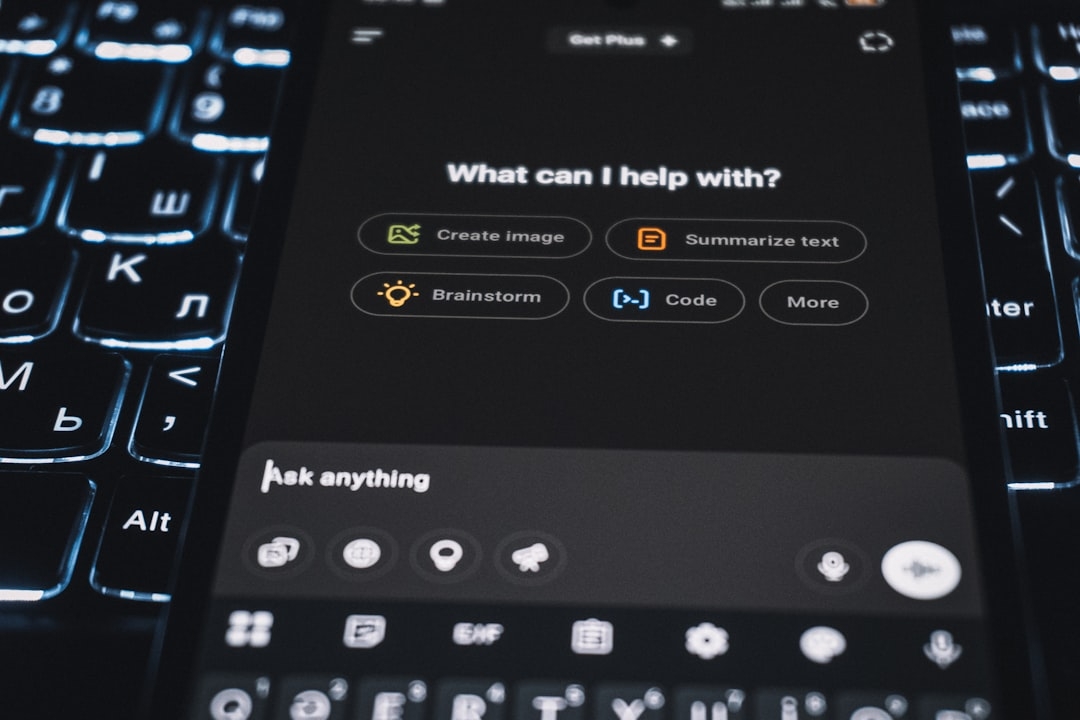
As artificial intelligence (AI) steadily weaves into the fabric of our daily lives, tech leaders are pushing the boundaries to redefine how we interact with digital platforms. Mark Zuckerberg, CEO of Meta, has recently teased significant advancements coming in 2026, promising a transformative rollout of AI technologies, including agentic commerce tools and the development of what he calls "personal super intelligence." This article breaks down what these announcements mean and how they could shape the future of online commerce and personal productivity.
What Is Agentic Commerce?
Agentic commerce refers to systems where AI agents act autonomously on behalf of users to carry out commercial tasks. Instead of manually browsing, comparing, and purchasing products or services, AI agents can understand user preferences and make decisions tailored to individual needs. This concept extends beyond simple recommendation engines; it involves intelligent agents negotiating, planning, and executing transactions with minimal human intervention.
These AI agents leverage natural language processing, machine learning, and real-time data analytics to engage in commerce dynamically, adapting to changing conditions or user preferences as they interact with digital marketplaces.
How Does Agentic Commerce Work?
At its core, agentic commerce uses AI algorithms trained on extensive datasets to interpret user intent and behavior. The AI continuously learns from past transactions, feedback, and external market conditions to optimize purchase decisions. Think of it as having a personal shopping assistant who also understands complex market dynamics, pricing trends, and availability.
Here’s a simplified breakdown:
- User Profile Setup: The AI gathers information about your preferences, budget, and priorities.
- Market Monitoring: It scans multiple sources for product availability, prices, and reviews.
- Decision Making: Using predictive models, the agent assesses options to select the best fit for the user.
- Transaction Execution: The AI negotiates, places orders, and manages follow-ups automatically.
This process aims to save users both time and cognitive load, allowing complex commercial decisions to be delegated to AI agents.
Why Is Mark Zuckerberg Calling 2026 a "Big Year for Personal Super Intelligence"?
Mark Zuckerberg's reference to "personal super intelligence" revolves around AI systems designed to amplify individual capabilities. These systems go beyond task automation; they provide users with extended cognitive support, offering insights, foresight, and enhanced decision-making capabilities rooted in AI's vast data processing power.
Unlike general AI concepts, personal super intelligence focuses on tailoring AI support to individual needs, integrating knowledge from various domains and continuously learning from the user's context. This could mean AI handling everything from scheduling and research to creative brainstorming, effectively acting as an intelligent extension of the user’s mind.
How Does Personal Super Intelligence Differ from Traditional AI?
Traditional AI often targets general tasks, such as voice recognition or image classification, without personalized adaptation. Personal super intelligence, however, adapts intensely to a single user's habits, knowledge gaps, and preferences, creating a uniquely customized intelligence partner.
This approach can dramatically enhance productivity, creativity, and problem-solving but also raises challenges in privacy, data security, and user trust.
What Are the Common Misconceptions About Agentic Commerce and AI Rollouts?
Many assume agentic commerce means fully autonomous AI making all purchasing decisions without oversight. In reality, it is designed to operate collaboratively, allowing users to set boundaries and intervene when necessary. This balance helps avoid unintended purchases or errors that could result from AI misunderstanding complex preferences.
Another misconception is that AI rollouts like personal super intelligence will be plug-and-play solutions. However, such systems require significant tuning and user habituation to reach their full potential. Early adopters may face frustrations as the AI learns and adapts.
How Will These Technologies Impact Everyday Users?
The integration of agentic commerce tools and personal super intelligence is expected to reshape workflows, online shopping, and personal management. Users will likely experience:
- Reduced time spent on repetitive tasks
- More personalized and context-aware AI assistance
- Improved decision quality through AI-driven insights
- Greater reliance on AI for complex planning and negotiation
However, these benefits come with caution regarding data privacy and the need for transparent control mechanisms.
What Are the Advanced Use Cases for Agentic Commerce?
Beyond basic shopping, agentic commerce can be employed in scenarios like:
- Dynamic subscription management: AI agents handling subscription renewals, upgrades, or cancellations based on user satisfaction and usage metrics.
- B2B negotiations: AI representing businesses during procurement processes, optimizing pricing, and contract terms.
- Multi-channel coordination: Agents integrating purchases across online, in-store, and social commerce platforms.
Such applications require robust AI models and real-time data integration to handle the complexities of commercial environments.
Expert Insights: Lessons from Early AI Deployments
Having observed AI deployments in commercial settings, one key takeaway is that AI's effectiveness depends heavily on data quality and user feedback loops. Systems that do not incorporate continuous learning often become outdated quickly, leading to poor user experiences.
Trade-offs must be accepted; while AI can automate many tasks, overreliance without user checks can cause errors or undesired outcomes. Careful design of AI-human collaboration models is critical for success.
Comparison Table: Agentic Commerce vs Traditional E-Commerce Tools
| Feature | Agentic Commerce | Traditional E-Commerce Tools |
|---|---|---|
| Autonomy | High - AI acts on behalf of users | Low - Mostly manual user actions |
| Personalization | Deeply personalized and adaptive | Limited, mainly via recommendations |
| Complex Negotiations | Supported by AI negotiation agents | Rarely automated |
| Time Saving | Significant reduction in user involvement | Minimal, user driven browsing |
| User Control | Configurable with override options | Full manual control |
How Can Users Prepare for the 2026 AI Rollout?
Users curious about agentic commerce and personal super intelligence can start by exploring existing AI tools that offer limited autonomous features, such as smart assistants and AI-powered recommendation engines. Familiarizing themselves with AI privacy settings and giving clear feedback helps these systems learn effectively.
Engaging in trials where AI supports decision-making in low-risk contexts can provide valuable experience. This approach enables users to develop trust and understand AI’s decision boundaries before fully delegating tasks.
Concrete Experiment: Test AI Agentic Features in Your Daily Routine
To get hands-on experience, set up an AI-based shopping assistant or smart personal assistant app available today. Over the next 20 minutes, configure it to handle a simple task—such as setting up alerts for price drops or managing a recurring purchase. Observe how much control you retain and where the AI adapts best or fails to meet your expectations.
Reflect on how such capabilities might expand by 2026 and consider what safeguards you'd want with more autonomous AI behaviors. This exercise gives practical insight into both the potential and limits of agentic commerce tools.
Technical Terms
Glossary terms mentioned in this article








Comments
Be the first to comment
Be the first to comment
Your opinions are valuable to us