
Microsoft has announced an ambitious expansion of its data center infrastructure across the United States, aimed at supporting its growing investments in artificial intelligence (AI). Yet, the company has made a bold claim: this massive infrastructure growth will not lead to higher electricity bills for local communities.
This promise challenges a common assumption that expanding tech operations inevitably increases energy consumption and utility costs in surrounding areas. As data centers consume substantial amounts of electricity to power servers and cooling systems, many remain skeptical about whether Microsoft can truly maintain this balance.
Why Are Data Centers Seen as Electricity Hogs?
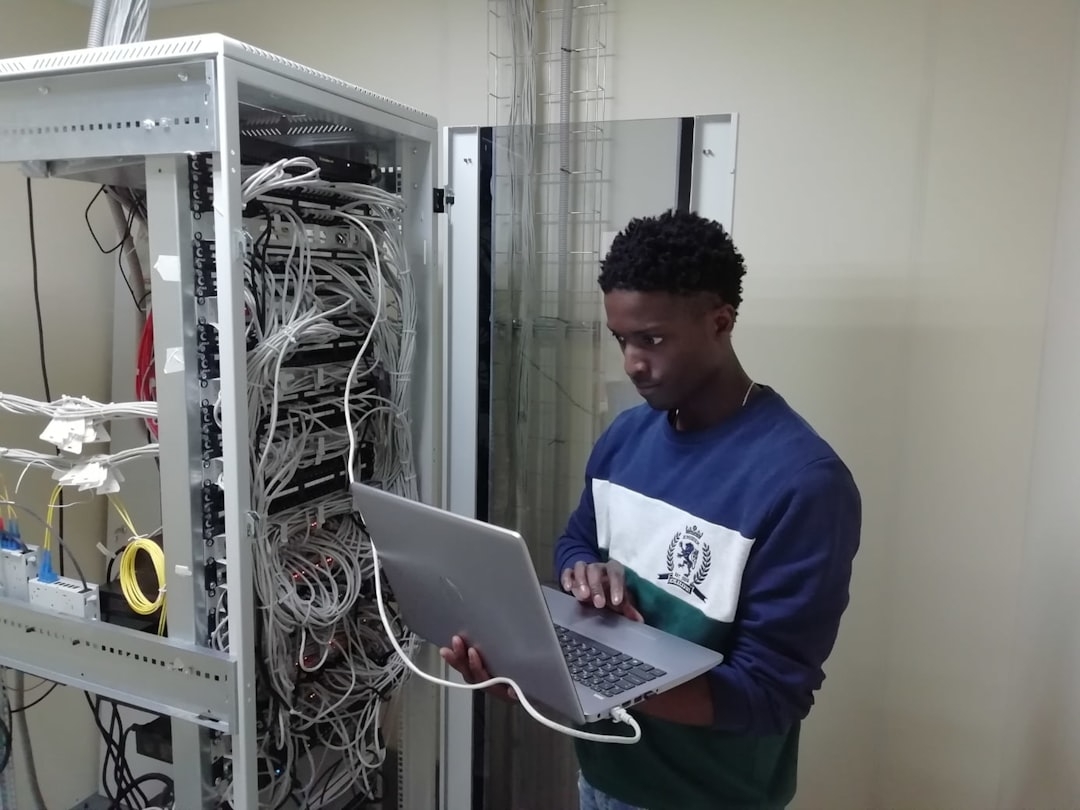
Data centers act as the backbone of the digital economy, hosting servers that store, process, and transmit massive volumes of data. These centers often require continuous power, not only for computing but also for cooling, which can represent a significant part of their energy footprint.
For perspective, a typical data center can consume millions of kilowatt-hours annually—comparable to the energy usage of a small town. This high consumption contributes to local grid demand, prompting concerns about rising electricity costs and environmental impact.
How Does Microsoft Plan to Avoid Raising Electricity Bills?
Microsoft's approach centers on committing to be a "good neighbor" by not allowing its expanding data centers to increase the energy costs borne by local residents. The company cites investments in advanced energy efficiency technologies and renewable energy sources as key strategies.
These initiatives include:
- Implementing cutting-edge cooling solutions that reduce electricity use.
- Purchasing or generating renewable energy, such as wind and solar power, to offset consumption.
- Engaging with local utilities to manage grid demand carefully.
By adopting these measures, Microsoft aims to decouple data center growth from increased local electricity prices.
Practical Considerations: Is This Feasible in Reality?
Despite the optimistic messaging, there are several practical challenges to consider:
- Energy Demand Timing: Most renewable energy is intermittent, requiring smart grid management to balance peak loads.
- Infrastructure Costs: Building renewable energy facilities and upgrading grids often means upfront investment that can trickle down to consumers.
- Regulatory Constraints: Local policies and grid capacity may limit energy sourcing and distribution efficiency.
Experience from prior projects shows that while energy efficiency technologies can significantly reduce consumption, entirely preventing electricity bill increases amid major expansions is challenging.
What Has Worked: Real-World Lessons
In previous expansions, Microsoft and other tech giants have demonstrated that:
- Deploying AI-driven energy management systems can optimize power usage dynamically.
- Strategic partnerships with energy providers help integrate renewable sources more effectively.
- Community engagement fosters support for sustainable infrastructure investments.
However, mismatches in timing and scale can create temporary energy spikes, impacting prices.
When Should You Expect Electricity Costs to Rise?
Despite best efforts, increased local demand from data centers can lead to higher electricity prices if:
- Renewable energy supply does not keep pace with growth.
- The local grid requires expensive modernization.
- Energy policies impose additional surcharges or fees.
Consumers should remain vigilant and question blanket assurances that rapid tech growth won’t affect utility bills.
How Can Communities and Consumers Stay Informed and Prepared?
Monitoring utility reports, engaging in public consultations, and urging transparency around energy sourcing are critical steps for communities near data center expansions. Consumers should consider energy efficiency upgrades at home and advocate for sustainable energy policies.
Evaluation Framework: Assessing the Impact on Your Local Energy Grid
Here’s a quick checklist to evaluate whether new data center projects might affect your electricity bill:
- Check if the company publishes detailed energy impact and sustainability reports.
- Investigate the mix of energy sources planned for the facility.
- Follow local utility announcements about grid upgrades or rate changes.
- Assess community engagement and responsiveness to concerns.
- Review historical data on how prior expansions affected local energy costs.
This 10-20 minute process can give you critical insights into upcoming changes.
Microsoft’s pledge to expand AI infrastructure without raising electricity costs is promising but depends heavily on complex technical, economic, and regulatory dynamics. Understanding these factors helps temper expectations and encourages active community involvement in sustainable tech growth.
Technical Terms
Glossary terms mentioned in this article







Comments
Be the first to comment
Be the first to comment
Your opinions are valuable to us