
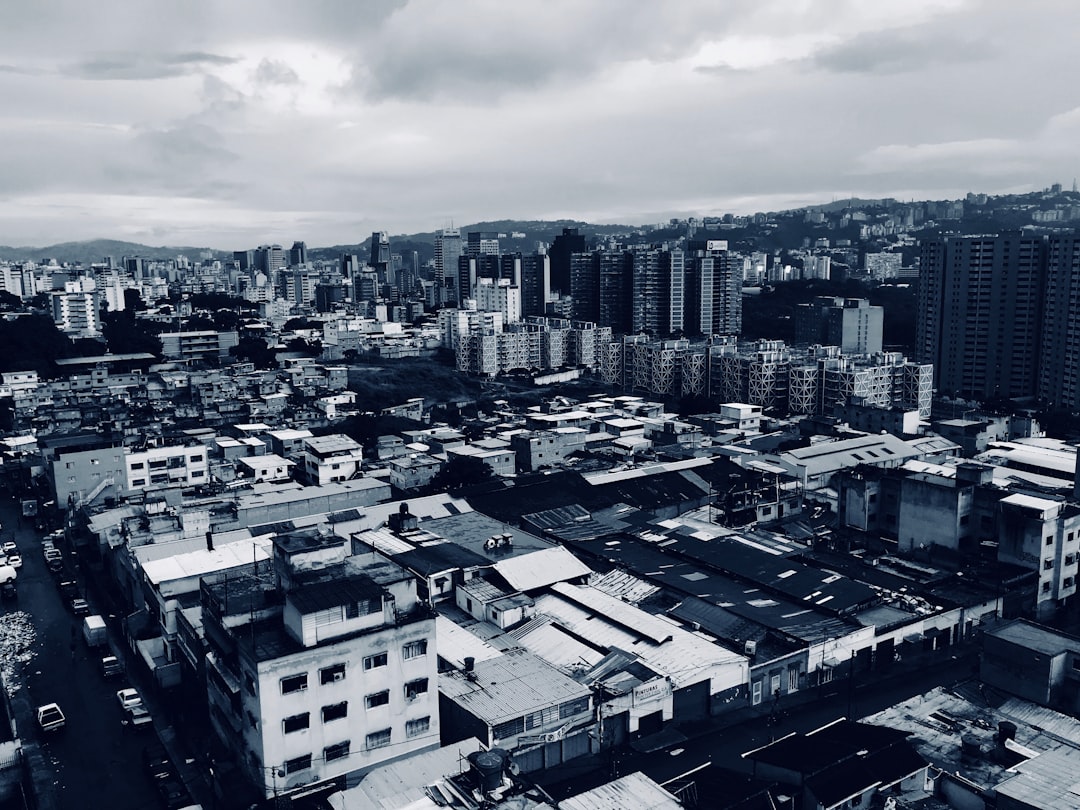
Many believe that Venezuela’s oil riches can be easily accessed once Nicolás Maduro is removed from power. However, the reality is far more complicated. The Trump administration has made it clear that Maduro’s capture was tied to Venezuela’s abundant oil reserves, yet the actual process of getting US companies involved in extracting those resources is riddled with challenges and uncertainties.
What Does It Really Mean to Control Venezuela’s Oil?
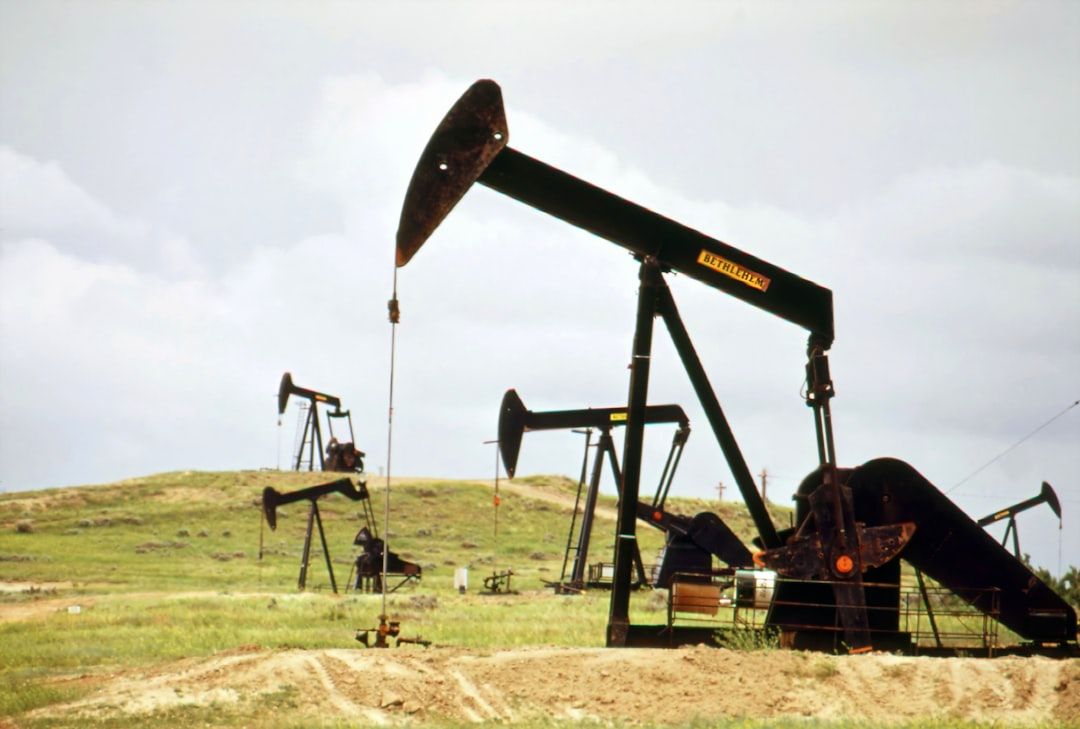
Venezuela has the world's largest proven oil reserves, making it an attractive target for any nation looking to strengthen its energy supply. However, controlling oil reserves isn’t just about political power or military presence. It requires navigating complex logistics, legal barriers, and market conditions.
Oil reserves refer to quantities of crude oil that are estimated to be recoverable under current economic and operational conditions. Even with vast reserves, the difficulty lies in accessing and producing that oil efficiently.
How Does the US Actually Plan to Access Venezuelan Oil?
The US administration’s strategy involves more than just political rhetoric about seizing assets or pushing Maduro out. Several steps need to happen before companies can begin extraction:
- Legal Framework: US companies need clear authorization and protection from both US and international law.
- Sanctions: Existing sanctions complicate dealings with Venezuelan oil entities, as many are linked to Maduro's government.
- Infrastructure: Venezuela’s oil infrastructure has suffered from years of underinvestment and mismanagement, requiring major rehabilitation.
- Logistics & Security: Securing pipelines, refineries, and transportation routes amidst political instability and possible resistance poses a significant risk.
In short, the path from political statements to actual oil extraction is neither linear nor guaranteed.
What Are the Common Misconceptions About Venezuela’s Oil?
Misconception 1: Controlling the government means instant access to oil assets.
This overlooks operational and legal hurdles that can delay or prevent oil production regardless of political changes.
Misconception 2: US companies are eager and ready to jump in immediately.
Many companies are cautious due to sanctions, market uncertainties, and the need for heavy upfront investments in deteriorated infrastructure.
Misconception 3: Venezuela’s vast reserves automatically translate to high production levels.
Production has drastically declined over the past decade, and reviving output is more complex than flipping a switch.
Comparison: Political Control vs. Operational Reality
| Aspect | Political Control | Operational Access |
|---|---|---|
| Legal Barriers | Relatively straightforward post-capture | Requires sanction waivers and property claims resolution |
| Infrastructure | Not considered in political plans | Severe challenges: damage and neglect require capital and time |
| Security & Stability | Controlled by installed regime | Fragile, with risks of sabotage and insurgency |
| Market Conditions | Ignored in political discourse | Fluctuating oil prices affect investment returns |
Expert Insights: Why Are US Companies Hesitant?
From direct conversations with industry insiders, the hesitation largely stems from:
- Risk of violating international sanctions accidentally.
- Uncertainty about who truly controls the assets.
- Potential backlash from global oil markets.
- High cost and low immediate ROI to rebuild infrastructure.
One executive described the situation as "trying to unlock a heavily rusted safe without the right key, knowing the contents might have deteriorated inside." This analogy highlights the mismatch between political ambition and operational feasibility.
How Can You Test Your Understanding of This Complex Issue?
Try researching recent sanctions lists and identifying which Venezuelan oil firms are restricted. Then, cross-reference companies with public reports of activity in Venezuela over the past year. This practical experiment will clarify the real impact of sanctions versus political statements.
Why Does This Matter?
The real takeaway is that geopolitical ambitions face ground-level practicalities. Having the largest reserves means little if you cannot legally or physically access the oil. Understanding this gap helps you separate political narratives from operational realities.
As you follow developments, remember: controlling oil assets demands more than just capturing leaders — it requires careful navigation of legal, market, and infrastructure challenges. The story of Venezuela is a stark example of how resource wealth alone does not guarantee easy access.






Comments
Be the first to comment
Be the first to comment
Your opinions are valuable to us