
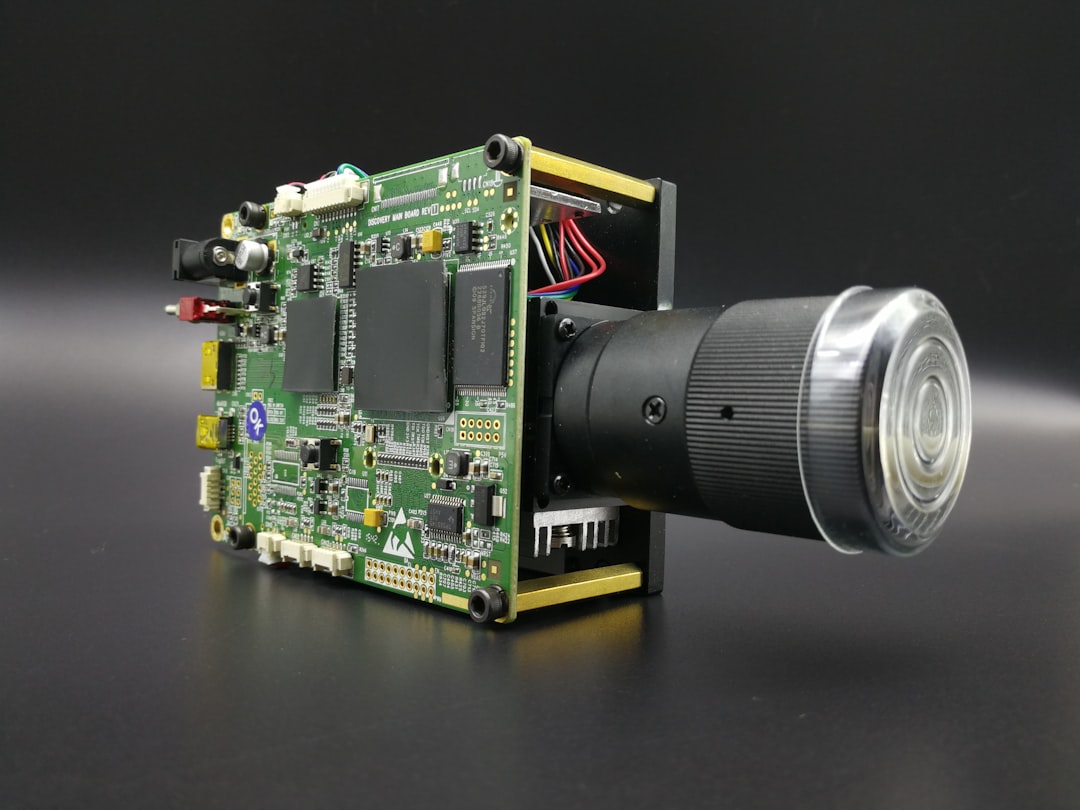
Heat pumps have long been heralded as a key technology for energy-efficient heating and cooling. But they've also faced a persistent obstacle: delivering consistent, optimized performance in varying real-world conditions. Quilt, a pioneering company in heat pump technology, has tackled this challenge head-on by embedding their systems with a sophisticated suite of sensors. These sensors generate vast amounts of data, empowering engineers to refine, analyze, and improve the systems beyond conventional methods.
Understanding the challenges heat pumps face and how Quilt uses real-time sensor data offers valuable insights for anyone interested in next-generation HVAC solutions.
What is the biggest challenge heat pumps face?
Heat pumps work by transferring heat from one place to another, typically from outside air into a building to provide warmth. But this process is highly sensitive to changing external conditions such as temperature fluctuations, humidity, and system wear and tear.
One key problem is performance degradation over time. Without precise feedback on system health and environmental conditions, traditional heat pumps often lose efficiency, leading to higher energy consumption and reduced heating capacity in cold weather.
Moreover, many heat pump systems operate on pre-configured assumptions, lacking the adaptability needed for diverse settings. Diagnosing issues often requires manual inspections or running expensive tests, which delays fixes and frustrates users.
How does Quilt’s sensor system improve heat pump performance?
At the heart of Quilt’s solution is a rich network of sensors embedded throughout the heat pump units. These sensors monitor parameters such as:
- Air temperature and humidity inside and outside the system
- Refrigerant pressure and flow rates
- Compressor speed and electrical consumption
- Internal component temperatures
- System vibration and noise levels
Collecting this data continuously enables engineers to:
- Identify inefficiencies in real-time, such as refrigerant leaks or clogged filters
- Adapt compressor operation dynamically based on external conditions
- Predict maintenance needs before failures occur
- Optimize energy use by fine-tuning system parameters
This high granularity of information is crucial. It transforms the heat pump from a static appliance into a responsive system that evolves with its environment and usage.
Why is continuous data important for heat pump optimization?
Without continuous sensor feedback, heat pump performance tuning tends to be reactive, based on spot checks or user complaints. Quilt's approach enables a proactive stance. The abundant data allows the engineering team to conduct detailed analyses of system behavior patterns, even spotting subtle issues invisible to the naked eye.
This means adjustments can be made in software updates that improve the system's energy efficiency and reliability without physically replacing parts. The data-driven feedback loop significantly reduces downtime and operational costs.
When should you choose a data-driven heat pump system like Quilt’s?
Not all environments or applications demand such advanced sensor integration. For typical residential use in mild climates, standard heat pumps may suffice. However, where consistent performance under challenging conditions is critical—such as in colder regions or commercial buildings—a sensor-rich system can provide tangible benefits.
Consider these conditions for opting for Quilt's approach:
- Variable and extreme outdoor weather
- High energy efficiency requirements
- Remote or difficult-to-service locations
- Need for predictive maintenance to avoid costly breakdowns
By capturing real-world data, the system adapts continuously, accommodating variations that static control models cannot.
What trade-offs does this advanced sensor setup present?
While the benefits are clear, embedding numerous sensors increases system complexity and cost. There is more hardware to maintain and more data to manage. Moreover, the value depends on having skilled engineers and robust analytics to interpret the data effectively.
These trade-offs require careful consideration. However, Quilt’s experience shows that the improved energy savings and reduced maintenance justify the investment in the right contexts.
Quick Reference: Key Takeaways from Quilt’s Heat Pump Innovation
- Sensor integration is pivotal to unlocking higher heat pump efficiency and reliability.
- Real-time data collection enables proactive maintenance and adaptive system tuning.
- Choosing such technology makes sense where environmental conditions are harsh or performance demands are high.
- Increased hardware complexity is balanced by long-term operational savings and fewer breakdowns.
Quilt’s approach challenges the traditional notion of heat pumps as static devices, demonstrating how continuous data and smart engineering can push performance boundaries.
Conclusion: Why Quilt’s Sensor-Driven Heat Pumps Matter
Quilt has effectively demonstrated a concrete solution to the persistent challenge of variable heat pump performance. Their comprehensive sensor suite and data-led engineering unlock significant value by making heat pumps more adaptive, efficient, and reliable.
This evolution marks a practical shift from purely hardware-driven improvements to systems where constant feedback and software optimizations play an increasing role. For operators and users aiming to maximize energy savings and comfort while reducing maintenance overhead, this data-driven model offers a compelling path forward.
If you are evaluating heat pump options, considering sensor integration and data analytics capability will be key factors in assessing long-term value and resilience.
Next Steps: How to Evaluate Your Heat Pump Context
Spend 10-20 minutes reviewing your current or potential heat pump setup. Ask yourself:
- What are the specific environmental challenges your system faces?
- Do you have access to real-time system performance data?
- How often does unplanned maintenance impact your operations?
- Would proactive data-driven adjustments reduce energy or repair costs?
Based on your answers, you can better judge whether a sensor-rich heat pump like Quilt’s fits your needs and budget.
Embracing data-driven approaches can transform how we heat our homes and buildings, making sustainability and comfort co-exist more reliably.
Technical Terms
Glossary terms mentioned in this article














Comments
Be the first to comment
Be the first to comment
Your opinions are valuable to us