
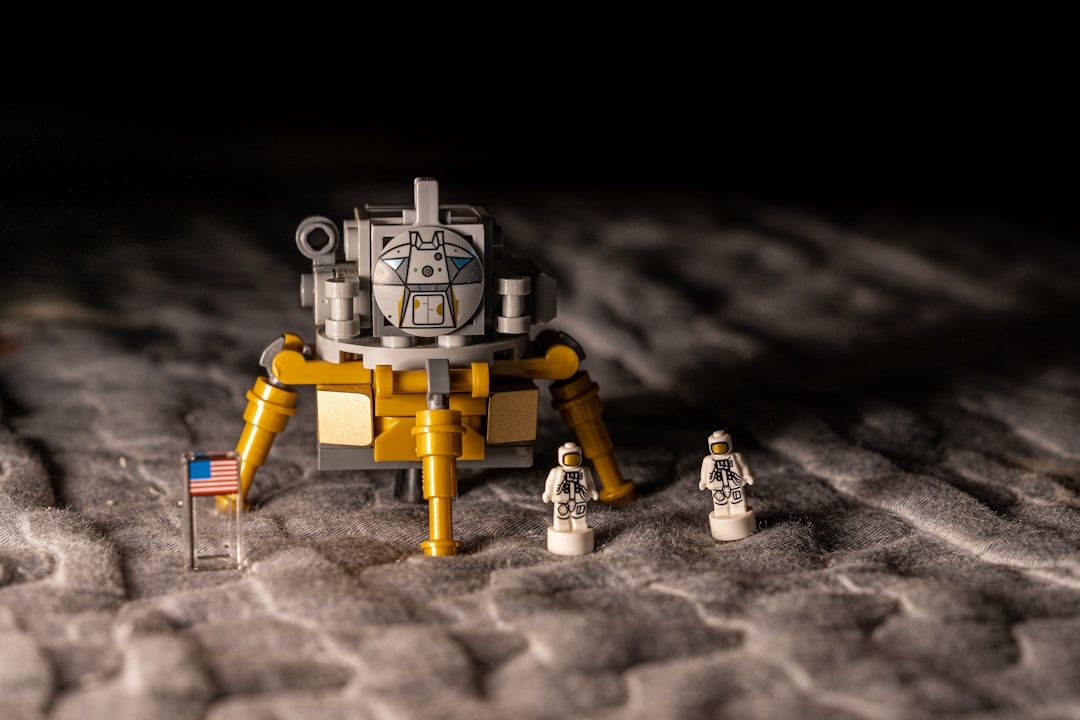
When you imagine space exploration, it’s easy to picture a pristine frontier, free from the problems that plague Earth—no oceans to pollute, no mountains to mine, no chirping birds disturbed by human activity. However, this romanticized vision overlooks a vital question we often ignore: who gets to inherit the stars?
This question is far from abstract; it raises critical issues about ownership, responsibility, and the moral implications of extending humanity into space. As space missions ramp up and private companies race to claim their slice of the cosmos, we cannot afford to sideline these debates.
Why Does Space Ethics Matter Now?
With advancements in technology, launching satellites, exploring asteroids, and planning lunar bases have moved from sci-fi fantasy to real projects. But the deep space environment has no native human society—yet. This void triggers complex ethical challenges that demand thoughtful examination.
Space ethics refers to the principles governing how humans interact with space beyond just technical and economic considerations. It includes respect for extraterrestrial environments, fairness in resource allocation, and the prevention of conflicts over space claims.
What Are The Core Ethical Questions in Space Exploration?
Here are some of the pressing concerns space ethicists focus on:
- Ownership and Sovereignty: Who has the right to claim territory or resources on the Moon, Mars, or asteroids? Earth’s history shows that claims to land often lead to conflict—how can we avoid repeating those mistakes beyond Earth?
- Environmental Stewardship: While space is often seen as empty, many celestial bodies have unique properties worth preserving. How do we balance exploration with conservation?
- Equitable Access: Should space resources be available to all nations and peoples, or controlled by a few powerful entities? This question touches on global justice and economic inequality.
- Legacy and Responsibility: What obligations do we hold toward future generations who will inherit space environments shaped by our actions?
Why Popular Approaches to Space Ownership Fall Short
Many current policies rely on frameworks established during the Cold War era, like the Outer Space Treaty of 1967, which states that outer space is the “province of all mankind.” However, these agreements weren’t designed with commercial mining or lunar real estate in mind.
Private corporations pushing for mineral rights clash with nations trying to maintain a commons approach, exposing the limitations of existing treaties. Without updated, enforceable guidelines, we risk legal chaos and ethical lapses.
How Does Space Resource Ownership Work Today?
Currently, the legal landscape is fragmented. For example, the U.S. Space Act of 2015 allows American companies to own resources they mine in space, a law not universally accepted. Meanwhile, other countries debate their own regulations amid international uncertainty.
This disharmony has real consequences:
- Commercial competition might lead to overexploitation before ethical and environmental safeguards are established.
- Geopolitical tension could escalate if claims are disputed internationally.
- Legal ambiguity risks disputes that could slow or halt projects.
Key Concepts in Space Property Rights
Celestial sovereignty means claiming control over part of the space environment. The Outer Space Treaty prohibits nations from owning the Moon or other celestial bodies outright, but it is less clear on resource extraction.
Commons Approach treats space as a shared domain, emphasizing collective governance and sustainable use.
Understanding these terms helps you grasp the challenges ahead.
When Should We Update Space Ethics and Ownership Rules?
Given the accelerating pace of exploration, updating ethics and legal frameworks isn’t just necessary; it’s urgent. You should advocate for:
- Multilateral dialogues involving governments, companies, scientists, and ethicists to craft balanced policies.
- Frameworks that enshrine equitable access and environmental protections alongside commercial interests.
- Adaptive regulations that evolve with new discoveries and technologies.
Balancing Commercial Ambition with Ethical Responsibility
This balance requires acknowledging the trade-offs: pushing boundaries to benefit humanity economically and scientifically vs. preventing irreversible harm or inequality. There is no perfect solution, but pushing for transparent and fair governance is crucial.
How Can We Think About Space Inheritance as a Collective Project?
Instead of individual or national claims, consider the cosmos as a shared heritage—a place that will define humanity’s future identity. This perspective encourages us to prioritize stewardship and respect, rather than mere extraction and conquest.
| Aspect | Traditional Approach | Emerging Ethical Approach |
|---|---|---|
| Ownership | National or corporate claims | Shared stewardship and trusteeship |
| Resource Use | Maximize commercial gain | Sustainable and equitable utilization |
| Environmental Impact | Minimal regulation | Precautionary principle and conservation |
| Governance | Fragmented treaties | Inclusive global cooperation |
Key Takeaways for You
When you next think about space exploration, remember it’s not just technology or adventure—it’s a profound ethical challenge. How we resolve these issues will shape not only the future of space but our shared humanity.
Takeaway: Space ethics urges us to think beyond exploits and profits, focusing on fairness, preservation, and responsibility toward generations yet unborn.
Practical Experiment: Mapping Your Space Ethics Perspective
Here’s an exercise to try in 20 minutes:
- List three actions you think humanity could take in space—e.g., mining asteroids, setting up bases, or declaring space property rights.
- For each, write down possible benefits and ethical concerns.
- Reflect on which concerns you think deserve the highest priority and why.
This simple mapping cultivates awareness of trade-offs that every stakeholder must weigh carefully as we step into the stars.
Technical Terms
Glossary terms mentioned in this article













Comments
Be the first to comment
Be the first to comment
Your opinions are valuable to us