
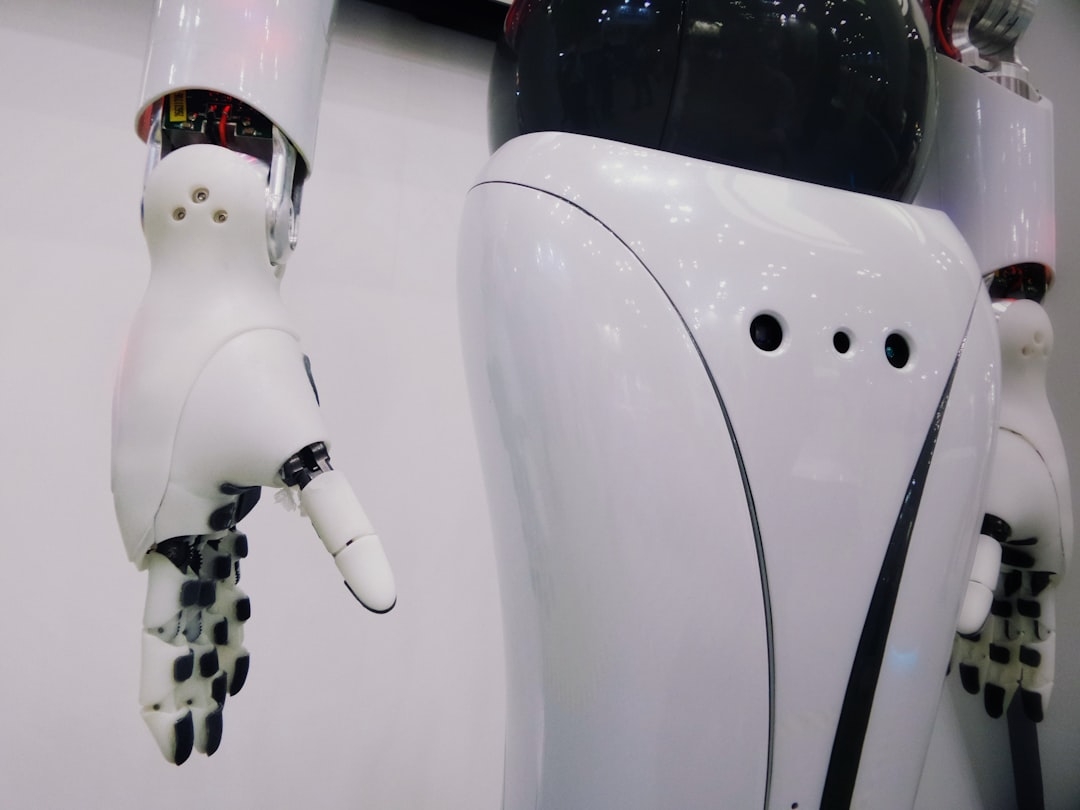
When you think of advanced robotics, you might imagine machines powered purely by software intelligence. But that assumption overlooks a crucial element: the physical intelligence embedded in robots—the way their bodies interact with the world. Physical Intelligence, a Silicon Valley startup co-founded by Lachy Groom, is rethinking what makes a robot smart by focusing on this very aspect.
This article goes beyond the hype to explore what physical intelligence really means in robotics, how it works, and why it’s becoming the hottest topic in AI and robotics today.
What Exactly Is Physical Intelligence in Robotics?
Physical intelligence refers to a robot’s ability to use its mechanical design and physical interactions to perform tasks effectively, not just relying on software or algorithms. Instead of computing every move in a conventional way, robots with physical intelligence are designed to naturally adapt to their environment through their body structures, materials, and movements.
Think about how a cat gracefully balances and climbs, not because it calculates every step but because its body inherently supports those actions. Physical intelligence seeks to replicate this natural intuition in robots.
How Does Physical Intelligence Work in Practice?
Physical Intelligence combines insights from mechanical engineering, materials science, and AI. By integrating adaptive materials and smart mechanics, robots can perform complex behaviors with less computational power. This approach allows robots to handle unpredictable real-world conditions more robustly.
For example, instead of programming every joint, the robot’s limbs might be made from flexible materials that absorb shocks or adjust automatically to terrain, giving the robot a level of resilience and efficiency traditional rigid robots lack.
Co-founder Lachy Groom’s team consists of experts who've spent decades on these challenges and believe now is the perfect time, thanks to advances in materials and computing.
Why Is Timing Crucial for Physical Intelligence?
The recent surge in Physical Intelligence research comes as several technologies have matured simultaneously. Progress in sensors, AI algorithms, flexible materials, and battery tech means robots can now be smarter not just digitally but physically, making this startup’s approach feasible and scalable.
When Should You Consider Physical Intelligence for Your Robotics Project?
Physical Intelligence is highly beneficial for robots operating in dynamic, uncertain environments where adaptability matters. Robots used for search & rescue, inspection in complex spaces, or interaction with humans can leverage physical properties to perform better.
However, there are scenarios where traditional, software-driven robotic control remains preferable:
- Tasks requiring precise, repeatable, high-speed movements
- Environments with minimal variability needing exact computations
- Applications where lightweight, low-cost hardware is prioritized over flexibility
Understanding these trade-offs helps engineers choose the right balance between physical and computational intelligence for their solutions.
What Are Some Common Misconceptions About Physical Intelligence?
Many people assume robotics advancements hinge solely on better processors and AI models. Physical Intelligence overturns this idea by showing that a robot’s body is as critical as its brain. Another misconception is that physical intelligence means less software; in reality, it’s about smarter coordination between body and control systems.
There’s also a belief that designing physically intelligent systems is prohibitively complex or expensive. While it requires multidisciplinary skills, startups like Physical Intelligence demonstrate that with the right expertise, these innovations are achievable and commercially viable.
How Are Advanced Use Cases Taking Physical Intelligence Forward?
Advanced applications are already emerging in areas such as:
- Soft robotics for medical devices that conform to human tissues
- Robots that adapt their walking gaits to uneven terrain without detailed mapping
- Collaborative robots that safely interact with humans by leveraging compliant joints and sensors
These use cases highlight the practical benefits of combining design and AI for real-world challenges.
Expert Insights From Lachy Groom and Physical Intelligence’s Team
Lachy Groom’s confidence stems from working alongside pioneers who have refined Physical Intelligence concepts for decades. They stress that success in robotics depends on harmonizing mechanical intuition with software intelligence, not favoring one over the other. This balanced approach reduces failures common in purely software-driven robots when they encounter unpredictable environments.
What Should You Watch Out For?
Physical intelligence isn't a magic bullet. It requires careful design and testing to ensure that the robot’s physical traits align with its control algorithms. Overengineering or underestimating environmental variability can still cause failures. As Groom’s team advises, proper calibration and continuous iteration are key to achieving reliable performance.
Try This Experiment to Understand Physical Intelligence
Here is a hands-on way to grasp Physical Intelligence:
- Take a simple toy robot or even a household object with movable parts.
- Modify its physical structure, for example, by adding flexible materials or changing joint stiffness.
- Observe how these physical changes affect its ability to move or balance without changing the software control.
- Reflect on how much the body design contributes to its effectiveness despite the same control instructions.
This simple test reveals the power of the robot’s body in problem-solving, a core principle behind Physical Intelligence.
Physical Intelligence is changing the way we think about robotics by proving that sometimes, being smart in the real world means being smart in your body as much as your brain.
Technical Terms
Glossary terms mentioned in this article











Comments
Be the first to comment
Be the first to comment
Your opinions are valuable to us