
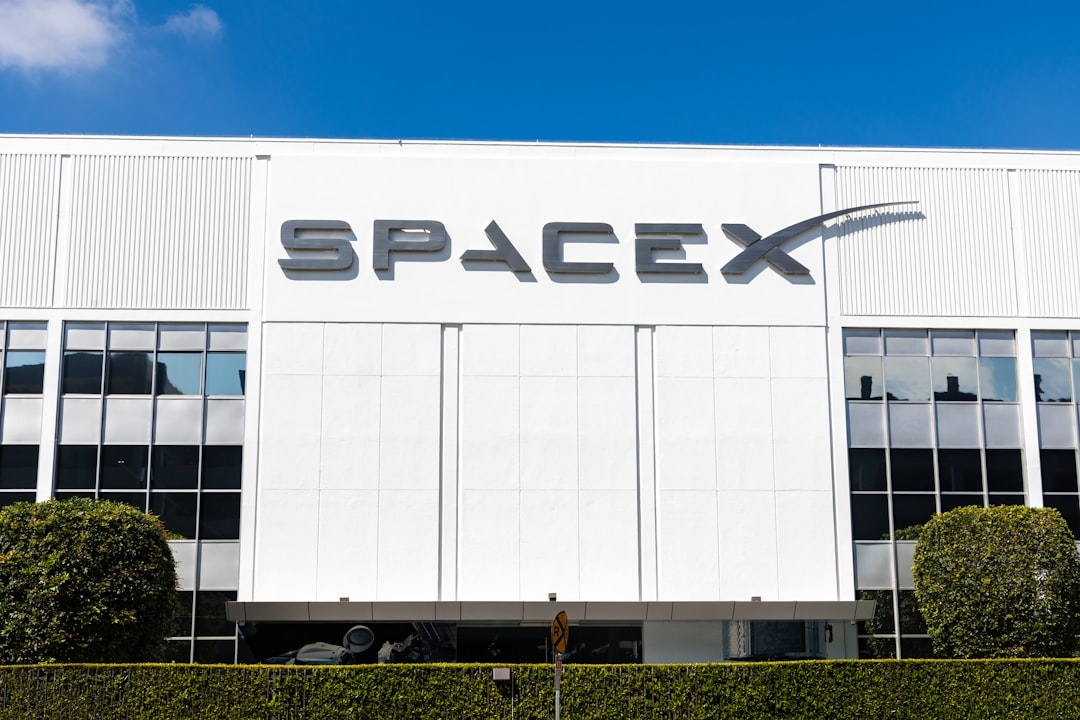
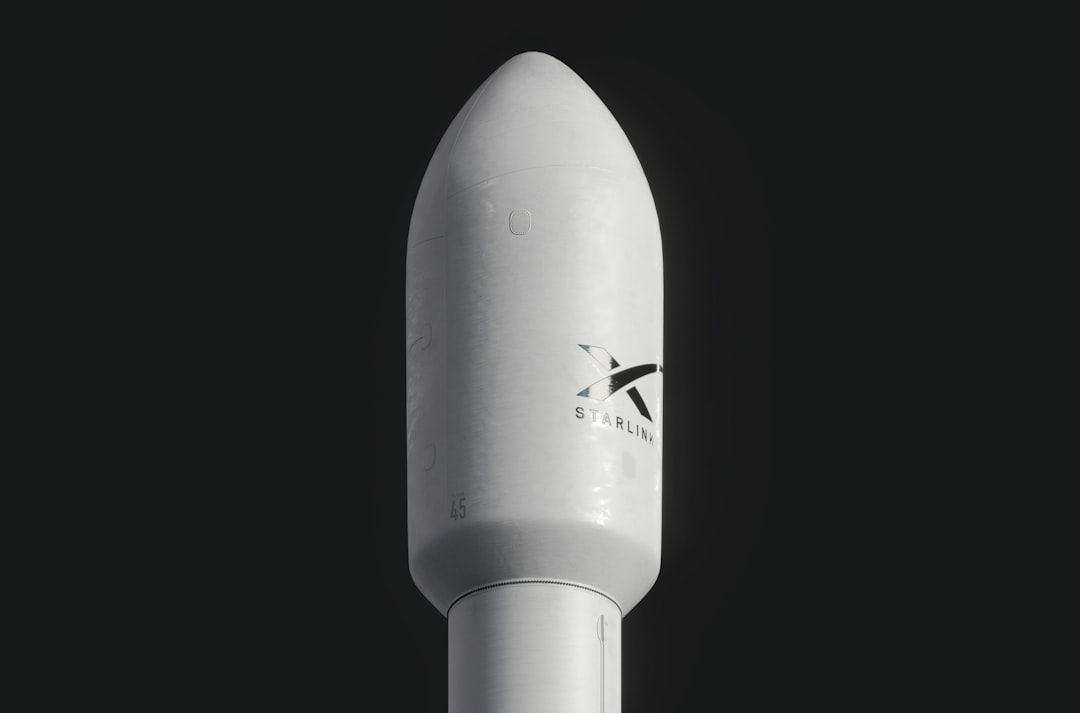
Many people believe satellite internet is limited by capacity and coverage, but recent developments prove otherwise. The Federal Communications Commission (FCC) has granted SpaceX approval to launch an additional 7,500 of its second-generation Starlink satellites. This move significantly bolsters SpaceX's ability to provide high-speed internet globally, especially in underserved areas.
This expansion reflects growing demand for reliable, fast internet access beyond traditional ground-based networks. Starlink’s low Earth orbit satellites aim to revolutionize connectivity worldwide by reducing latency and improving availability.
What Does the FCC Approval Mean for Starlink?
The FCC’s authorization allows SpaceX to deploy more next-generation satellites, enhancing the performance and reach of the Starlink constellation. These satellites are part of the second generation, which feature technical improvements over earlier models, such as better bandwidth capacity and updated antennas.
According to the approval documents, the new allotment of satellites will extend coverage and improve network resilience. By operating in a lower Earth orbit (about 550 km above the surface), Starlink satellites provide faster data transfer speeds compared to traditional geostationary satellites, which orbit much farther out.
How Does Starlink’s Satellite Network Work?
Starlink satellites form a constellation that communicates with ground stations and user terminals. By operating in low Earth orbit (LEO), these satellites minimize latency — the delay between sending and receiving data — which is crucial for real-time applications like video calls or online gaming.
The second-generation satellites authorized by the FCC include enhanced technologies such as improved phased array antennas that enable better beam steering and higher bandwidth. These upgrades contribute to faster internet speeds and more reliable connections.
What Challenges Does Launching 7,500 More Satellites Present?
Launching thousands of satellites isn’t without obstacles. Space debris and orbital congestion are growing concerns. Each satellite must be carefully tracked to prevent collisions and ensure safe operations. SpaceX employs autonomous collision avoidance systems onboard the satellites to mitigate this risk.
Additionally, regulatory approvals like this FCC authorization are critical to navigate spectrum allocation and frequency interference with other satellite operators.
Comparison: First vs. Second Generation Starlink Satellites
| Feature | First Generation | Second Generation |
|---|---|---|
| Orbit Altitude | 550 km | 550 km (improved) |
| Bandwidth Capacity | Lower | Higher with upgraded antennas |
| Latency | Low | Lower |
| Autonomous Collision Avoidance | Basic | Enhanced |
| Satellite Lifespan | ~5-7 years | Extended with better hardware |
When Should You Expect Starlink Service Improvements?
With the deployment of these additional satellites, users can expect:
- Greater network capacity leading to faster data speeds
- Expanded coverage in rural or remote regions
- Improved connection stability and redundancy
These benefits will be particularly noticeable in areas currently reliant on slower or less reliable communication infrastructure.
How Does This FCC Approval Affect the Satellite Internet Industry?
This decision underscores the increasing importance of satellite-based internet, marking a shift towards scalable, global broadband solutions.
SpaceX's aggressive satellite deployment strategy pushes competitors to innovate faster, while regulators must balance growth with safety and orbital sustainability. This approval is a clear sign of confidence in the technology’s potential.
Key Trade-offs in Expanding Satellite Constellations
- Pros: Better coverage, lower latency, higher bandwidth
- Cons: Orbital debris risk, regulatory complexity, launch costs
Addressing these trade-offs will require ongoing technical innovation and regulatory cooperation worldwide.
How Can You Prepare for These Changes?
If you’re considering Starlink for your internet needs or in industry sectors dependent on reliable connectivity, plan for evolving hardware and service capabilities. Stay informed about satellite launches and service availability in your area.
Practical Step: Monitor official SpaceX Starlink announcements and check if your current hardware supports second-generation satellites to benefit from network upgrades.
What’s Next for SpaceX and Starlink?
The FCC approval to launch 7,500 additional satellites is just one step in SpaceX’s larger goal of providing global broadband connectivity. SpaceX has already deployed thousands of first-generation satellites, creating one of the largest constellations in orbit today.
Future launches will focus on integrating these new satellites with existing networks to optimize coverage and performance further. This large-scale deployment has the potential to change how billions of people access the internet, making connectivity more inclusive.
Step-by-Step Implementation You Can Do Now
To align with these changes and prepare for enhanced satellite internet services, follow this simple 20-minute checklist:
- Check SpaceX’s Starlink website for updates on second-generation satellite compatibility.
- Review your current internet needs and identify if satellite internet could solve existing connectivity problems.
- Research local regulations or restrictions regarding satellite dishes and user terminals.
- Evaluate your hardware to ensure it supports future Starlink upgrades.
- Sign up for Starlink service alerts or beta programs if available, to get early access.
By taking these steps today, you'll be ready to take full advantage of the expanded Starlink constellation.
Technical Terms
Glossary terms mentioned in this article










Comments
Be the first to comment
Be the first to comment
Your opinions are valuable to us