
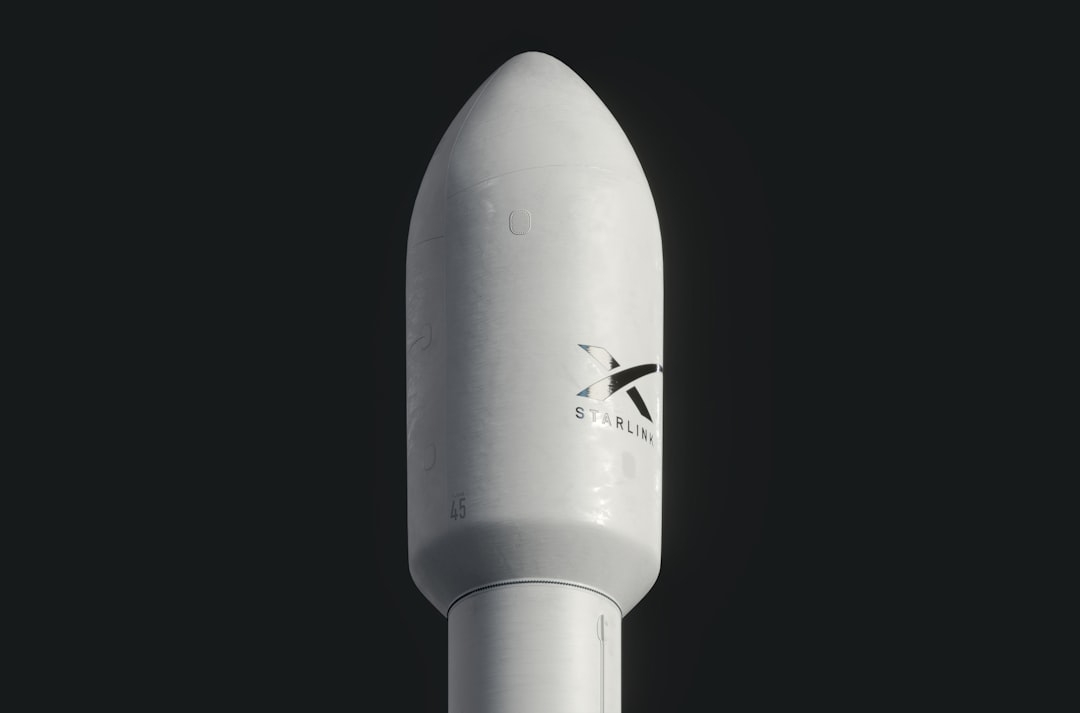
Why Is SpaceX Establishing a Police Department?
Elon Musk’s SpaceX has taken an unconventional step by creating a dedicated police department for its company town. This new force is expected to have up to eight officers and could be operational within a few months. The move challenges the traditional notion that policing is solely a government function and raises questions about the implications of privatized law enforcement in a company-owned community.
The SpaceX town, located near its launch facilities in Texas, has grown rapidly, prompting the need for localized security and policing. Setting up a police department within the company town seeks to provide quick response times and tailored law enforcement aligned with community needs in a unique setting.
How Does a Company-Run Police Department Work Compared to Public Police Forces?
Unlike public police agencies funded and overseen by government entities, a company-run police department reports to its corporate leadership. This structure enables more direct control over policy, priorities, and operational decisions. However, it brings trade-offs in transparency, accountability, and community representation.
Key differences include:
- Jurisdiction and Authority: While exercising police powers within the town, a corporate police force typically operates under state law authorized as a municipal or special jurisdiction police body.
- Accountability: Public police departments answer to elected officials and citizens, whereas a private police department answers to the company’s executives, which may lead to conflicts of interest.
- Community Representation: Government police agencies aim to represent and protect a diverse community, while a company police force focuses primarily on the company's residents and assets.
The concept isn't entirely new—some private communities and corporations maintain security forces with limited police powers—but SpaceX’s scale and ambition make this move particularly notable.
What Are the Challenges in Running a Private Police Department?
Operating a private police force involves balancing effective law enforcement with ethical and legal standards. Critics question whether company priorities might outweigh impartial policing, leading to biased enforcement or inadequate protection for non-employees.
Staffing is another concern. Recruiting and training officers who uphold both professional law enforcement standards and company interests is a complex task. Officers must be able to handle typical policing duties and understand the company's specific environment, including the high-security, technology-driven nature of the SpaceX community.
What Are the Benefits and Risks for Residents and the Company?
From the company’s perspective, a dedicated police force can provide faster response times, tailored security protocols, and flexible deployment aligned with the company’s evolving needs. For residents, especially employees and their families, it may mean greater security and a sense of order.
However, potential risks include:
- Conflicts of Interest: The company may prioritize corporate assets over individual rights, blurring lines between private interests and public safety.
- Lack of Oversight: Without traditional government accountability mechanisms, there could be limited external review of police conduct.
- Community Relations: The police may be perceived as enforcers of corporate policy rather than impartial protectors, leading to mistrust.
How Are Other Private Communities Handling Law Enforcement?
Several gated communities and private towns in the United States maintain their own security or police forces, usually with limited authority and operating under local laws. These models show varying degrees of success and controversy, often hinging on clear legal frameworks and oversight.
SpaceX's initiative is unusual because of its private ownership at a corporate scale combined with the presence of a specialized workforce and potentially diverse resident population.
When Should Private Police Departments Be Used?
Private police departments like SpaceX’s are most effective in clearly defined, private communities where traditional law enforcement presence is limited or not fully equipped to address specialized safety needs. They work best when:
- The community size justifies dedicated policing.
- The company and residents require fast, specialized responses.
- Legal authorization and frameworks support such enforcement.
- Mechanisms for transparency and accountability are established.
Without these conditions, private police forces risk inefficiency or ethical pitfalls.
How to Evaluate the Effectiveness of a Private Police Department?
Measuring success involves assessing crime rates, community satisfaction, officer conduct, response times, and adherence to legal standards. Independent oversight and regular audits are critical to ensure the police department is serving both the company and residents fairly.
As of now, the SpaceX police department is in early stages, so these benchmarks remain to be seen. Monitoring this development will provide insights into whether private law enforcement can supplement or complicate public safety in specialized company towns.
Conclusion: What Should Stakeholders Watch For?
The establishment of a police department in Elon Musk’s SpaceX town is an experiment in modern governance and corporate responsibility. For residents, employees, and industry watchers, it’s important to critically assess how this force balances corporate interests with community safety and rights.
Key factors include the department’s transparency, community engagement, enforcement fairness, and adaptability. As private entities continue exploring self-policing models, SpaceX’s approach could influence future policies on private law enforcement within company towns and special economic zones. Stakeholders should prepare to evaluate this evolving system closely.
Next steps for decision-makers: Consider creating a decision matrix assessing legal authority, accountability frameworks, community needs, and resource allocation to determine the suitability of private policing in your context.
Technical Terms
Glossary terms mentioned in this article









Comments
Be the first to comment
Be the first to comment
Your opinions are valuable to us