
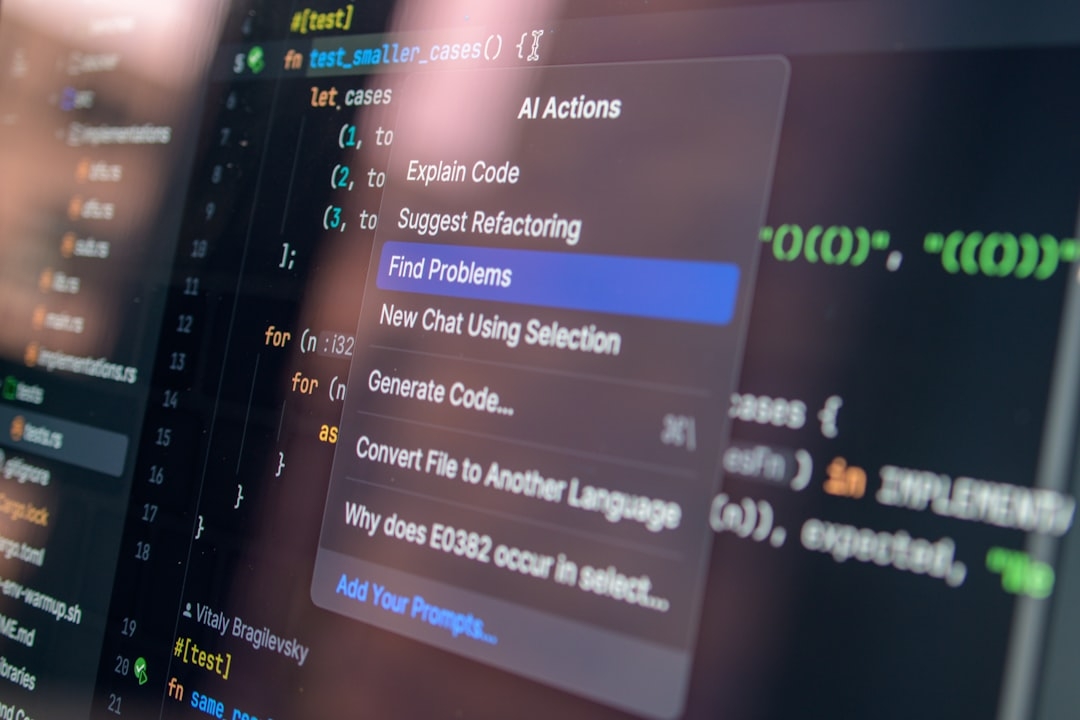
Why Do We Need Multiple AI Models in One Computer?
Many people assume a single AI can handle all tasks efficiently. This is a misconception. In practice, different AI models excel at different functions—some are better at language understanding, others at generating images, and some specialize in data analysis.
Perplexity addresses this fragmentation by introducing Perplexity Computer, a platform that unifies every current AI capability into a single system. This approach attempts to remove the hassle of switching between various AI tools and consolidates these capabilities for easier access.
How Does Perplexity Computer Work?
At its core, Perplexity Computer integrates multiple AI models under one roof. Instead of a single monolithic AI trying to cover everything, it acts as an orchestrator, selecting the best model or combination of models for your query or task.
This is akin to having a team of experts—each with their specialty—collaborating to give you the best output. The platform routes your requests to the appropriate AI model based on its strengths, then combines and presents the results.
Technical terms explained:
AI models are essentially trained algorithms designed to perform specific tasks like text generation, image creation, or language translation. Orchestration means managing and coordinating these models so they work together smoothly.
When Should You Consider Using Perplexity Computer?
If you often find yourself juggling multiple AI platforms for different needs, this unified approach can save you time and effort. It’s especially useful for users who require versatility—writers, designers, analysts—all in one place.
Moreover, by automatically choosing the best AI model for the task, Perplexity Computer reduces guesswork and might improve output quality.
When NOT to Use Perplexity Computer?
Despite its appeal, Perplexity Computer isn’t always the perfect fit. If your use case demands very specialized AI with niche features or deep customization, a single dedicated model may outperform a combined system. Also, the unified system’s complexity can lead to slower response times compared to single AI tool usage.
Users with simpler or highly specific tasks might find standalone tools faster and more cost-effective.
Common Misconceptions About AI Model Integration
Many believe integrating numerous AI models into one platform guarantees superior results. However, this is not always the case. Sometimes combining several models introduces challenges such as:
- Inconsistent output styles or conflicting information
- Increased computational overhead, impacting performance
- Complexity in managing updates and versions of each AI
Perplexity’s approach attempts to mitigate these issues with smooth orchestration, but trade-offs remain a reality to consider.
Advanced Use Cases for Perplexity Computer
Beyond simple question-answering or content generation, Perplexity Computer can support multi-step workflows like research synthesis, data-driven content creation, or cross-format media projects. Its capability to leverage different AI strengths simultaneously makes it valuable for:
- Researchers needing consolidated insights from varied AI analyses
- Content creators combining text, audio, and visual AI tools in one workflow
- Businesses aiming to streamline AI-powered automation across departments
What Can We Learn From Real-World Usage?
Experience with similar unified AI systems shows that while convenience improves, expecting perfection is unrealistic. Integration introduces points of failure, and AI models have inherent biases and limitations that persist regardless of orchestration.
Testing Perplexity Computer in real scenarios reveals the importance of setting clear expectations, evaluating performance on your specific tasks, and understanding the underlying trade-offs between versatility and focus.
Next Steps: Testing Perplexity Computer Yourself
To grasp how a unified AI system works for your needs, try comparing Perplexity Computer with standalone AI tools for a simple project. For example, spend 20-30 minutes asking the same set of questions or generating similar content using both methods. Observe differences in:
- Response quality and consistency
- Speed and ease of use
- Ability to cover diverse tasks without switching platforms
This hands-on experiment will help you validate whether a multi-model AI system truly benefits your workflow or if specialized tools remain a better choice.
Technical Terms
Glossary terms mentioned in this article








Comments
Be the first to comment
Be the first to comment
Your opinions are valuable to us