
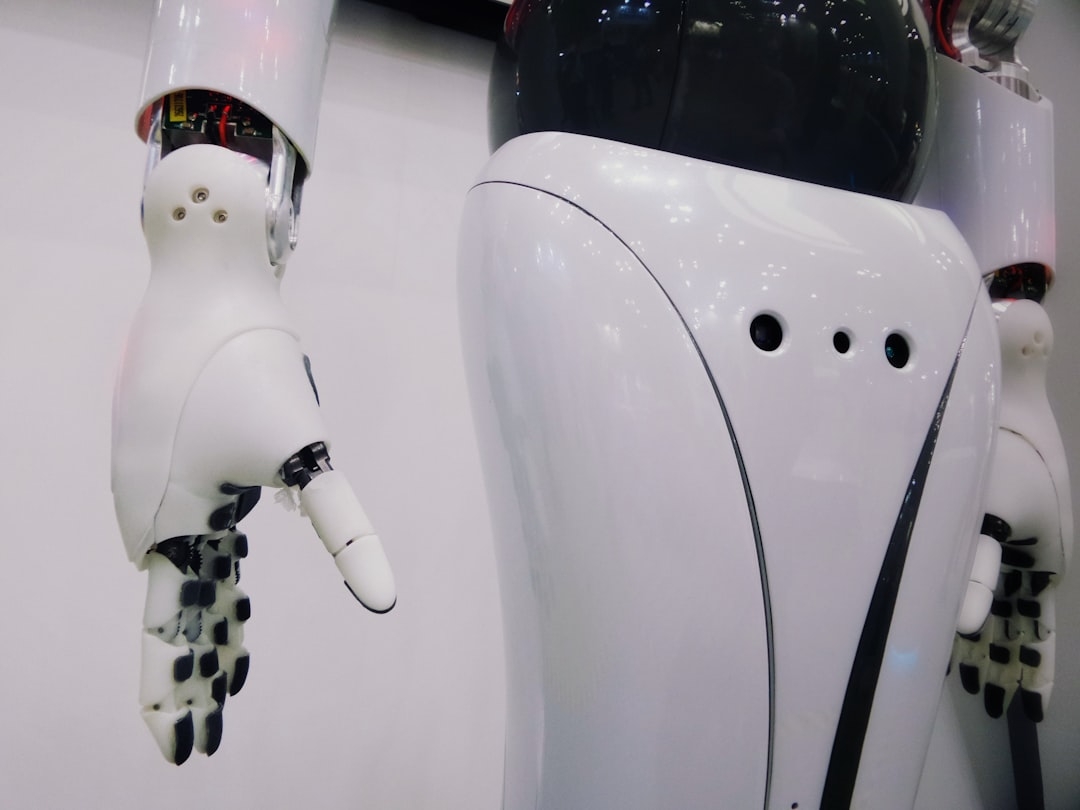
Every year, the Consumer Electronics Show (CES) offers a glimpse into tomorrow’s technology, and this year was no exception. Robots were everywhere, from helpful assistants to AI-powered buffs, each designed to push the boundaries of automation and interaction. These robots, though sometimes quirky or imperfect, give us valuable insight into where the robotics industry is headed.
Understanding the gap between a robot’s flashy demo and its real-world usability is key. The showcase bots often highlight the strategic direction of their creators rather than immediate market solutions. As someone who attended CES and saw these robots firsthand, I can share my perspective on what these robotic innovations mean for consumers and businesses alike.
What Types of Robots Did I Encounter at CES?
The variety of robots was fascinating, ranging widely in purpose and sophistication. Some sought to serve as companions, others were designed for logistics or retail assistance. Here's an overview of the most memorable categories:
- Social companion robots: These bots aim to interact naturally with humans, using AI to recognize emotions and respond accordingly. While their conversations sometimes felt scripted, the technology behind emotion recognition is evolving.
- Service and assistance robots: Designed for practical tasks like delivering items or guiding visitors, these robots often combined simple navigation tech with basic AI to improve efficiency.
- Experimental humanoids: Some exhibitors presented highly realistic humanoid robots that astound with their fluid movements but remain too complex and expensive for immediate commercial deployment.
How Does CES Robotics Reflect Commercial Readiness?
The robots I saw at CES often felt like a work in progress rather than polished products ready for widespread use. This is partly because CES is a stage for innovation demonstrations — a place to showcase potential rather than perfection.
Technical challenges remain significant, such as ensuring robots can safely navigate unpredictable environments, maintain long battery life, and interact seamlessly with a diverse population. Many robots rely on controlled environments or frequent human intervention to function properly.
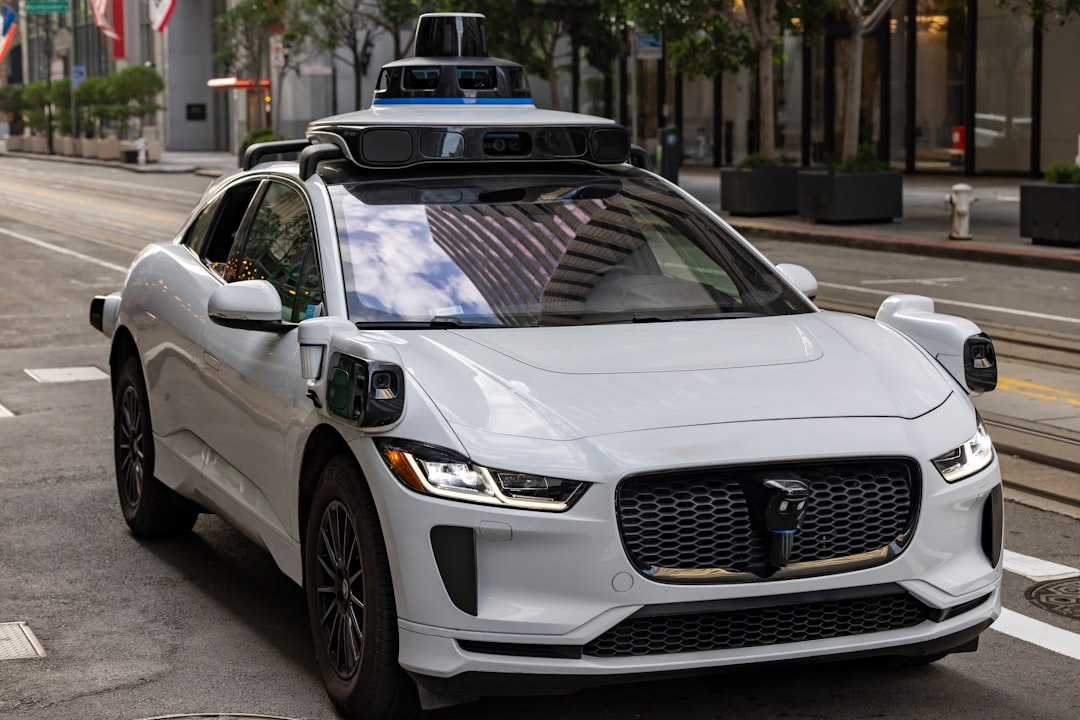
For example, the autonomous delivery robots lacked robust obstacle avoidance in crowded spaces, illustrating the persistent gap between lab success and street-level reliability.
Why Are Some Robots Still Far from Market Viability?
Robots combine various complex technologies: AI, mechanical engineering, sensor data processing, and human-computer interaction design. Each of these must align perfectly for a robot to be practical.
CES demos sometimes gloss over these intricacies, presenting robots in ideal test settings. Real-world use introduces unpredictability — from unusual obstacles to diverse user behaviors — that many robots are not yet equipped to handle flawlessly.
What Can We Learn About the Industry's Direction?
Despite their imperfections, these robots reflect the industry’s priorities and ambitions:
- Focus on human-centric design: Many robots emphasize emotional engagement and user experience, indicating a push toward more natural robotic interactions.
- Integration with AI services: Robots are increasingly connected to cloud AI platforms for enhanced speech, vision, and decision-making capabilities.
- Specialization over generalization: Successful robots tend to target specific tasks—such as customer service or delivery—rather than trying to be all-purpose.
This signals that companies are testing different paths to find commercially viable robotics applications, balancing innovation with practicality.
How Should You Evaluate a Robot's Readiness Based on CES Showcases?
When assessing whether a showcased robot is ready for investment or adoption, consider these criteria:
- Reliability: Does the robot operate consistently without frequent human intervention?
- Environmental adaptability: Can it handle varied and unpredictable conditions?
- User experience: Is the interaction intuitive and satisfying?
- Cost-effectiveness: Is the price justified by the robot’s capabilities and benefits?
These questions help separate early-stage demos from solutions ready to scale.
What Are the Trade-Offs in Commercial Robotics Today?
Trying to perfect every aspect—mobility, AI, safety, and user interaction—simultaneously is currently not feasible. Companies must prioritize which features to optimize based on their target market.
For instance, a robot designed for controlled environments like warehouses may sacrifice social interaction capabilities for durability and efficiency, while a customer-facing robot might emphasize emotional AI at the cost of complex mobility.
Understanding these trade-offs helps set realistic expectations for both developers and adopters.
What Next after Seeing Robots at CES?
Although many robots at CES feel more visionary than ready, their presence is valuable. They illustrate the potential directions of robotics technology and clarify which challenges remain.
For companies and individuals evaluating robotics adoption, the key takeaway is to assess robots with a critical eye toward their current capabilities versus marketing allure.
Quick Evaluation Framework You Can Use
In 10-20 minutes, apply this checklist to any robotics solution you encounter:
- Identify the robot's core function and whether it matches your needs.
- Check for demonstration of the robot working in environments similar to your intended use.
- Verify independence level; does it require constant human supervision?
- Assess the interaction quality and ease of use for your team or customers.
- Consider total cost of ownership, including maintenance and updates.
This pragmatic approach helps separate hype from value, guiding better-informed decisions in the evolving field of robotics.
Technical Terms
Glossary terms mentioned in this article






Comments
Be the first to comment
Be the first to comment
Your opinions are valuable to us