
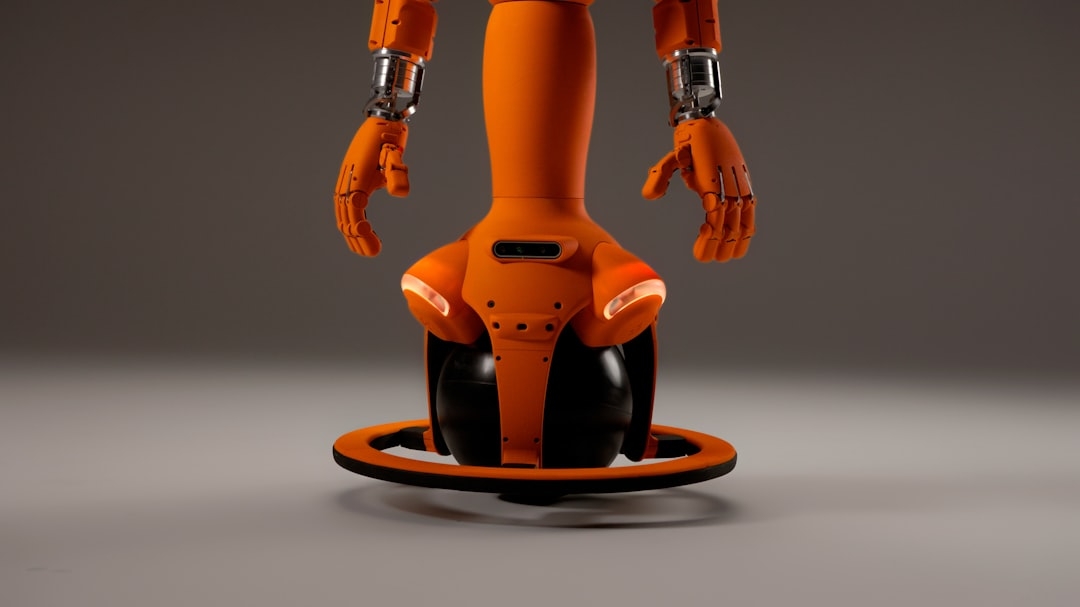
Why Did Bucket Robotics’ First CES Appearance Matter?
Attending CES (Consumer Electronics Show) as a startup is a formidable task. Bucket Robotics, backed by Y Combinator (YC), confronted this challenge head-on. But why is appearing at CES so important for a robotics startup? CES is one of the largest technology events globally, drawing industry leaders, investors, and media attention. For a young company, it’s a chance to gain visibility and validate its innovations in front of potential partners.
However, such events also come with high stakes: costs, intense competition, and the pressure to deliver a compelling demonstration. Bucket Robotics had to solve these issues while making sure their core technology highlighted their value.
What Challenges Did Bucket Robotics Face at CES?
One core difficulty was balancing demonstration and business development. CES demands a flawless presentation, but a startup's bigger goal is often securing commercial partners and raising funds. The company needed to ensure its technology — likely automated robotic solutions — worked smoothly in an unpredictable, demo-heavy environment.
Another challenge was the risk of being overshadowed by larger, established companies with bigger budgets and flashy booths. For Bucket Robotics, the focus had to be on clear messaging and proving real-world applicability. Demonstrating robotics systems live requires reliable hardware, minimal downtime, and easy-to-understand value propositions for the diverse CES audience.
How Does Bucket Robotics Plan to Build Its Business Post-CES?
With CES behind them, Bucket Robotics is shifting focus from public debut to strategic business building. Their immediate priorities include fundraising and securing commercial contracts. Fundraising is crucial for scaling hardware production and expanding teams. Commercial deals validate the market need and generate revenue.
This phase requires a different mindset from a public launch: instead of dazzling demos, the startup must present measurable outcomes to investors and clients. Detailed ROI estimates, reliable proof of concept, and clear differentiation from competitors become essential here.
What Are Practical Considerations for Startups Attending CES?
- Time and Cost: CES requires significant financial investment for booth space, logistics, and staff. Planning and execution can drain months of effort.
- Technical Risks: Demonstrating live robotics involves inevitable hardware and software risks. Contingency plans are vital.
- Scale and Audience: A smaller startup must carefully choose how much technology to showcase and tailor messaging for diverse visitors.
- Follow-Up: CES success depends heavily on post-event engagement with leads and investors.
What Lessons Can Other Robotics Startups Learn from Bucket Robotics?
Bucket Robotics’ journey illustrates that CES is not just a showcase but a stepping stone. Startups should enter with clear goals beyond visibility — like fundraising milestones or partnership commitments.
Maintaining focus on business fundamentals rather than being swept up in showmanship is essential. Real-world reliability during demos builds trust that flashy marketing cannot replace. Startups must view CES as part of a broader business strategy, not an end in itself.
How Can You Evaluate If CES Participation Is Right for Your Startup?
Consider the following quick framework:
- Is your product demo-ready under high-pressure, unpredictable conditions?
- Do you have a clear post-CES plan for converting visibility into deals or funding?
- Have you budgeted for all direct and hidden costs of participation?
- Are you prepared to handle technical failures live and quickly recover?
- Can your team sustain the resource drain involved without impacting other business areas?
If most answers are “yes,” CES can be a powerful platform. If not, alternate routes like targeted trade shows, investor meetings, or pilot projects may provide better ROI.
Final Thoughts
Bucket Robotics’ experience shows that while CES offers unmatched exposure, it demands rigorous preparation and a well-rounded strategy focused on sustainable business growth. The transition from impressive product demos to concrete commercial traction defines success for startups launching at such events.
For startups weighing CES, the choice boils down to honest assessment of readiness, resource capacity, and clarity about follow-up actions. These are the factors that determine whether CES is a breakthrough moment or a costly distraction.
Concrete Next Step
Take 15 minutes today to execute the CES readiness checklist above. Use it to evaluate your product, team, and business priorities critically. This quick exercise will clarify whether CES aligns with your immediate goals or if alternative growth strategies better fit your current phase.
Technical Terms
Glossary terms mentioned in this article









Comments
Be the first to comment
Be the first to comment
Your opinions are valuable to us