
Many assume the race in humanoid robotics is firmly dominated by U.S. tech giants, but the reality is quite different. China is quickly taking the lead, thanks to a more aggressive production and innovation strategy. If you’re wondering why China’s humanoid robot industry is gaining ground so fast, it’s critical to understand both the hype and the practical challenges still at play.
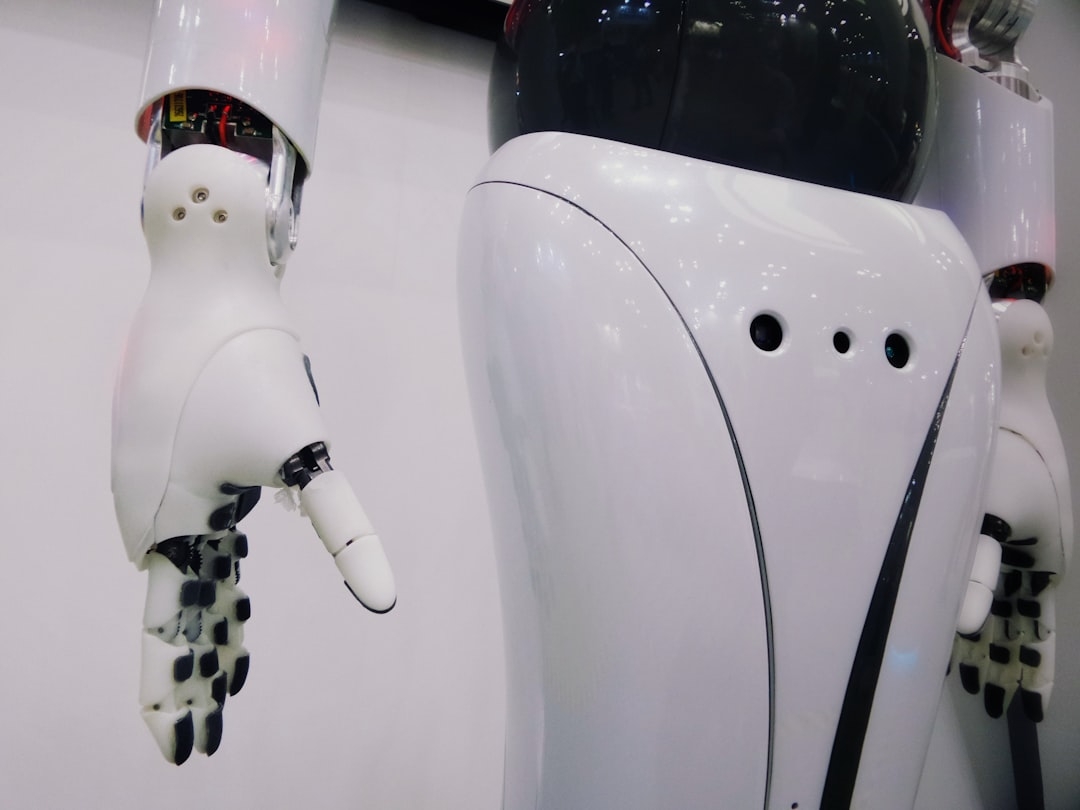
Humanoid robots are machines designed to resemble and interact with humans, combining elements of artificial intelligence, mechanical engineering, and sensor technologies. The market is still nascent, meaning it’s in the very early stages of development and adoption. China’s approach to quickly ship and improve these robots contrasts with the slower but often more cautious methods seen in the U.S.
What Makes China's Humanoid Robot Industry Stand Out?
The key factor driving China's lead is the volume and speed of iteration. Domestic companies are not just building more robots—they are rapidly releasing new versions, learning from each batch, and integrating user feedback quickly. This fast-cycle development resembles the early days of smartphone manufacturing, where quicker market responses fueled rapid growth and refinement.
Chinese firms benefit from a tightly integrated manufacturing ecosystem, reducing the time from prototype to production. The government also supports robotics advancement with funding and policy incentives, which helps accelerate commercial deployments. While U.S. companies often focus on highly advanced but costly prototypes, Chinese firms target a wider range of applications, enabling broader use and market penetration.
How Does China's Strategy Compare to U.S. Competitors?
U.S. companies typically emphasize cutting-edge research and complex AI integration, aiming for breakthroughs in autonomy and natural interaction. However, this often results in longer development timelines and limited product availability. In contrast, Chinese firms focus on balancing innovation with practical usability, shipping considerable volumes that help test real-world performance.
This difference creates trade-offs. While U.S. humanoid robots may perform more sophisticated tasks in controlled environments, Chinese robots are gaining traction in real-world settings like retail, customer service, and light manufacturing—areas that do not require perfect AI but do benefit from reliable interaction and fast deployment.
Common Mistakes in Assessing the Humanoid Robot Market
- Assuming the most advanced AI means market leadership: Cutting-edge technology doesn’t always translate to market success if it delays product availability.
- Overlooking manufacturing scale: Producing and shipping robots at scale enables faster iteration and cost reduction—a factor often underestimated in Western analyses.
- Expecting humanoid robots to solve complex tasks immediately: The industry is still working on basic interaction reliability and robustness, so premature expectations cause disappointment.
When Should You Consider Using Humanoid Robots?
If you’re exploring humanoid robots for your business or project, think about where they genuinely add value. Currently, they shine in scenarios requiring social interaction, basic task assistance, or presence without demanding full autonomy. Chinese robots’ rapid deployment makes them a pragmatic choice for such roles.
However, if your needs demand high-precision automation or intricate AI decision-making, the market still needs more maturity. Instead, look at hybrid solutions combining humanoid designs with specialized automation technologies.
Are There Alternatives to Humanoid Robots Worth Exploring?
Absolutely. In many situations, wheeled or stationary robots provide more reliable performance at less cost. For example, delivery robots or fixed robotic arms excel where humanoid flexibility is unnecessary. Also, virtual assistants and software bots can complement physical robots, handling many repetitive tasks without hardware complexity.
The key is matching the robot type to your specific business challenge instead of chasing the latest humanoid trend. Real-world success is frequently about fitting tech to context, not sheer novelty.
What Are the Limitations China’s Humanoid Robot Industry Faces?
Despite aggressive growth, several challenges remain. Chinese humanoid robots sometimes sacrifice advanced AI features for speed and volume. As a result, interaction quality can vary, and reliability under diverse conditions isn’t guaranteed yet. Plus, regulatory standards and safety certifications are still evolving, which may impact scaling into international markets.
Additionally, while factories and urban settings see increasing use, adoption in homes or sensitive environments is limited by current hardware constraints and cost considerations.
Final Thoughts: Is China Winning the Race for Humanoid Robotics?
China’s humanoid robot industry is winning the early market by focusing on fast iteration, volume shipping, and practical deployment rather than pure technological perfection. This strategy allows Chinese firms to learn from actual usage and continuously improve their products, an advantage over slower, research-heavy approaches.
For users and businesses looking to adopt humanoid robots, understanding these trade-offs is vital. By tailoring expectations and applications, you can leverage the strengths of Chinese humanoid robots today while tracking ongoing advances in the broader market.
Next Steps: How to Test Humanoid Robots for Your Needs
If you want to explore humanoid robots’ potential, start by defining a simple task they could assist with in your environment—such as greeting customers or providing basic information. Then, schedule a demo or trial with available providers, observing how easily the robot integrates and performs in real conditions.
This hands-on test, which you can set up in 20-30 minutes, helps you debug assumptions and see firsthand whether a humanoid robot can genuinely add value in your specific setting.
Technical Terms
Glossary terms mentioned in this article











Comments
Be the first to comment
Be the first to comment
Your opinions are valuable to us