
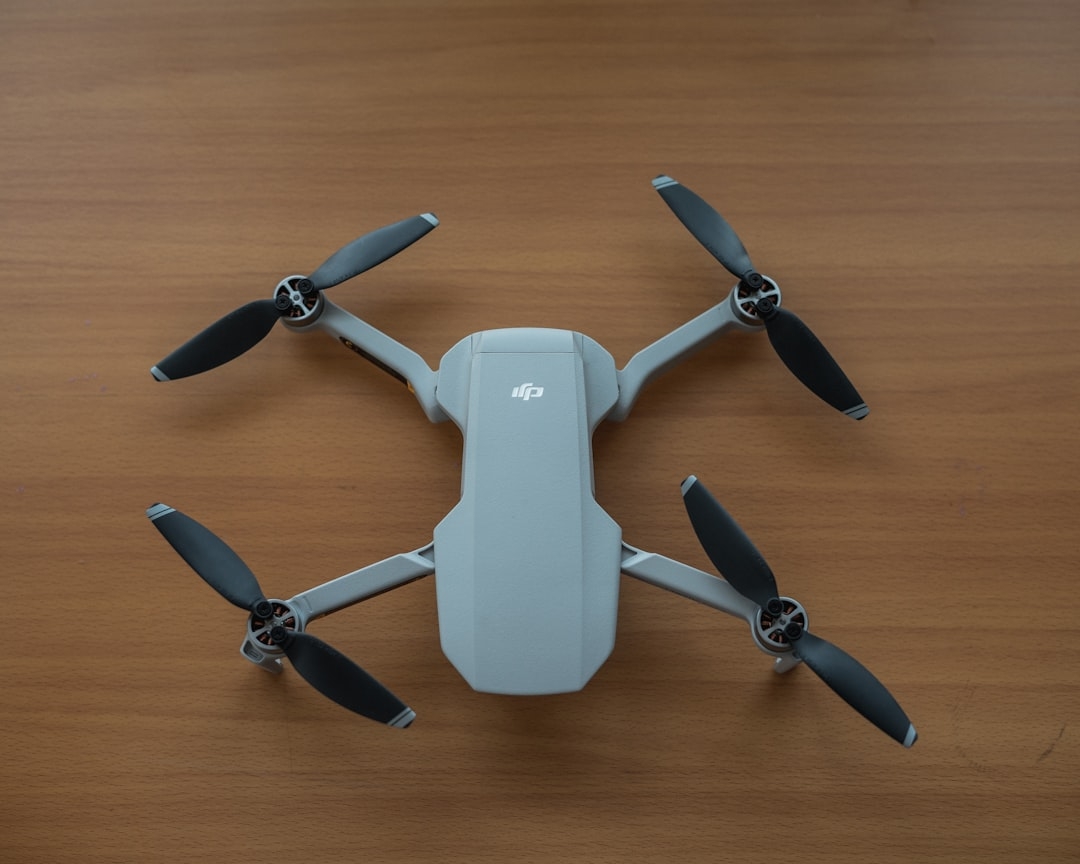
Have you wondered how drone delivery can realistically scale in retail? Wing, a leading drone delivery company, plans to extend its partnership with Walmart by adding drone delivery services to another 150 Walmart stores by 2027. This expansion will bring the total number of Walmart locations served by Wing to over 270.
The move is significant for consumers and retailers alike as it promises faster, contactless deliveries. However, what challenges does this scaling present, and how feasible is it to integrate drone delivery into everyday retail logistics?
What Problems Does Drone Delivery Solve for Walmart?
Traditional delivery often struggles with traffic, labor shortages, and delayed shipping times, particularly for last-mile delivery — the final step of getting a product to the customer. Drone delivery aims to alleviate these issues by bypassing roads altogether, promising quicker turnaround and potentially lower delivery costs for smaller packages.
Wing’s drones can deliver small to medium-sized items directly to customers, reducing dependence on human couriers and vehicle-based logistics. This is important in areas where ground traffic congestion or limited courier availability can cause delays.
Why Does This Partnership Matter for Consumers and Retail?
The expansion of Wing's drone delivery to more Walmart stores signifies a growing confidence in drone technology for commercial use. For shoppers, this means access to rapid delivery that might take just minutes instead of hours or days.
Retailers like Walmart benefit from potentially reducing delivery costs and improving customer satisfaction with quick service. However, scaling this solution across hundreds of stores comes with technical, regulatory, and operational hurdles.
How Does Wing's Drone Delivery Actually Work?
Wing’s drones are designed to carry packages weighing up to a few pounds over short distances, typically within a 10-mile radius from the store. The delivery uses GPS navigation to fly autonomously while avoiding obstacles and restricted airspaces.
Drones launch from designated Walmart stores and navigate directly to delivery points such as customers’ backyards or nearby safe zones. The drones lower the package via cable to the ground, avoiding the need for landing in tight spaces.
This method requires sophisticated software coordination, real-time air traffic monitoring, and local regulatory compliance—factors that complicate rapid rollout but are critical for safety and reliability.
What Are the Key Challenges in Expanding to 150 More Stores?
Scaling drone delivery from a handful of pilot locations to hundreds is a heavy lift. Some of the main challenges include:
- Airspace Regulations: Drones must comply with Federal Aviation Administration (FAA) rules, which can vary by state and region, complicating uniform deployment.
- Technical Infrastructure: Each store needs the infrastructure to manage drone operations—launch sites, maintenance, and staff trained to handle exceptions or issues.
- Delivery Range and Payload Limits: Drones are currently limited in how far and how much they can carry, restricting the type and volume of goods deliverable.
- Weather Conditions: Adverse weather can ground drone flights, creating reliability challenges.
Because of these factors, expanding drone delivery requires close coordination with local authorities and investment in robust operations management.
How Has Wing Performed in Actual Use So Far?
Wing has been operating drone deliveries since 2019 and has delivered tens of thousands of packages. Its partnership with Walmart started with a limited number of stores, showing promising results in urban and suburban contexts.
Real-world experiences reveal that while drone delivery reduces delivery time, it is best suited for small, lightweight products like pharmacy items, baby supplies, or snacks. Larger or heavier goods still rely on traditional logistics.
Delivery via drone avoids common road travel issues but faces its own challenges like battery life management and ensuring safe drop zones at diverse customer homes.
When Should Retailers Consider Using Drone Delivery?
Drone delivery suits retailers aiming to:
- Speed up delivery of urgent, lightweight goods in dense suburban areas.
- Reduce last-mile delivery costs where road congestion causes delays.
- Offer contactless delivery options, especially in health-sensitive or pandemic conditions.
However, drones are not a universal fix. They are not optimal for heavy goods, remote areas lacking safe drone landing spots, or regions with restrictive drone policies.
Careful on-the-ground assessments of delivery patterns, customer preferences, and regulatory environments are crucial before expanding drone services.
How Can You Evaluate Drone Delivery for Your Own Business?
For businesses considering drone delivery, here’s a simple framework to evaluate feasibility in under 20 minutes:
- Assess Delivery Needs: Identify which products would benefit from rapid delivery and weigh under drone payload limits.
- Map Service Areas: Check if local regulations permit drone flights and whether customers have safe delivery zones.
- Evaluate Operational Capacity: Review store infrastructure to support drone operations and staff training.
- Consider Weather Patterns: Analyze how often local weather could disrupt drone flights.
- Calculate Cost-Benefit: Compare drone delivery costs against existing methods factoring in speed and customer satisfaction.
Although promising, drone delivery still requires balancing trade-offs. Not every location or product fits drone delivery well, so it is crucial to focus on realistic gains rather than tech hype.
Wing’s expansion with Walmart is a valuable case to watch for how drone logistics evolve in retail, highlighting both potential and pitfalls in scaling such innovative services.
Technical Terms
Glossary terms mentioned in this article









Comments
Be the first to comment
Be the first to comment
Your opinions are valuable to us