

Hosting a major international event like the Winter Olympics often comes with great excitement. However, my recent exposure to environmental data related to the upcoming 2026 Milano Cortina Winter Olympics reveals a pressing concern: the event’s carbon footprint threatens the very natural snow and ice that define this Winter Games. This paradox felt especially real when reading that the region might lose significant snowpack and glacier mass due to emissions caused by the Olympics themselves.
Snowpack and glacial ice are critical components of mountain ecosystems. Beyond aesthetics, they feed rivers, support tourism, and maintain local climate balance. The prospect of losing these resources motivated me to understand the real scope and implications of this issue.
Why Will the 2026 Winter Olympics Impact the Region's Snow?
A detailed report analyzed the carbon emissions generated directly and indirectly by the Milano Cortina Winter Olympics. These emissions contribute to regional temperature rises that accelerate snowpack shrinkage and glacial melting. Specifically, the report estimates a loss of approximately 5.5 square kilometers of snowpack and millions of metric tons of glacial ice due to these emissions.
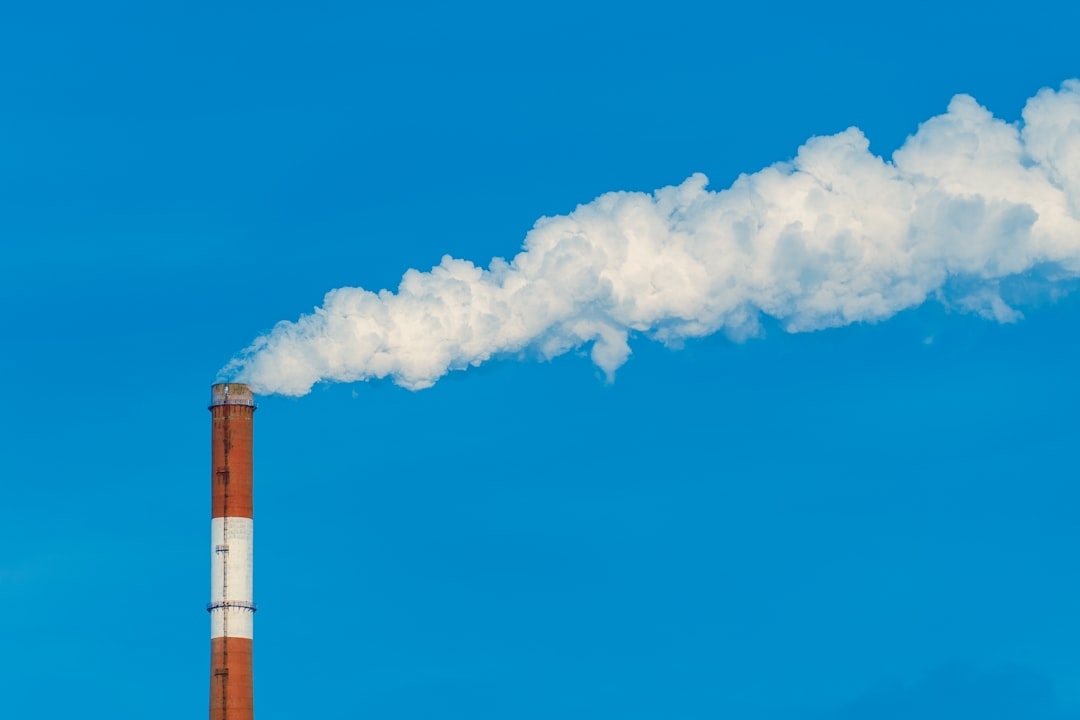
Carbon emissions (CO2 and other greenhouse gases) trap heat in the atmosphere, leading to global and regional warming. This warming reduces snowfall density and speeds up snowpack melt. For glaciers, even slight rises in temperature cause more extensive melting, changing the landscape irreversibly over time.
What Does Losing 5.5 Square Kilometers of Snowpack Mean?
To put this into perspective, 5.5 km² means an area larger than 700 soccer fields covered in snow could vanish. This loss not only affects winter sports like skiing but also reduces natural water storage. Snowpack acts as a reservoir, slowly releasing water during warmer months. Without it, there can be more extreme floods during snowmelt seasons and water shortages later in the year.
How Do Carbon Emissions from the Olympics Cause This Impact?
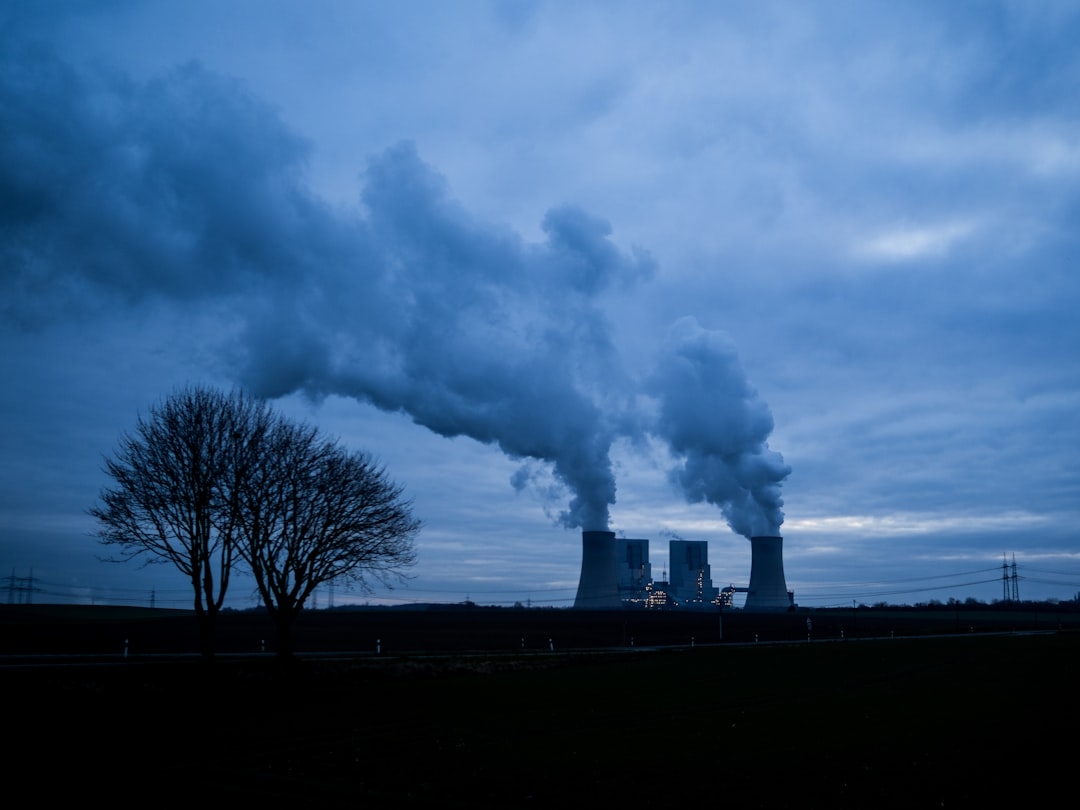
The emitted greenhouse gases derive from various sources tied to the Olympics:
- Construction of new sports venues and infrastructure
- Transportation of athletes, officials, and spectators (planes, cars, buses)
- Energy used to power venues and support services throughout the event
- Increased tourism and related activities before, during, and after the games
Each of these contributes to the region’s carbon footprint, indirectly escalating temperatures in the Alpine area.
Can Hosting the Olympics Be Sustainable?
The challenge is balancing the economic and cultural benefits the Olympics bring with sustainable practices. While there have been efforts globally to green such events, the fundamental issue remains that any increase in carbon emissions intensifies climate-related changes. These effects manifest clearly in sensitive ecosystems like mountain snowfields and glaciers.
When Should Environmental Risks Like These Influence Event Planning?
The decision to host large-scale winter sports events must factor in detailed environmental impact assessments early in the planning stages. Here’s when these considerations become critical:
- Before approving large-scale infrastructure projects in sensitive mountain areas
- During negotiations around transportation and logistics plans focused on reducing emissions
- When committing to carbon offsetting strategies tied to event emissions—not as an afterthought
Ignoring these dynamics risks long-term damage to the natural resources that attract tourists in the first place, eroding the foundation of winter sport tourism.
When NOT to Rely Solely on Traditional Sustainability Efforts?
Many event organizers and fans assume technological offsets or tree-planting can neutralize carbon footprints. But in practice, these methods often fail to address the immediate, localized warming effects that cause snowpack loss. For instance, offsets might take years to balance carbon, but snow and glaciers react to temperature changes within months.
Relying solely on carbon offsets or energy-efficient technologies without reducing emissions from transportation and infrastructure can leave regional ecosystems exposed. This is a significant trade-off that event planners must acknowledge.
What Are the Trade-offs of Hosting the Olympics in Alpine Regions?
From experience working in environmental risk assessment for sporting events, I have seen how organizers struggle with:
- Maximizing event visibility and participation versus minimizing ecological footprint
- Building long-term infrastructure that may encourage more tourism, hence emissions, versus temporary facilities
- Implementing green technologies, which might increase upfront carbon emissions during construction but save emissions long-term
These trade-offs highlight the difficulty in achieving truly sustainable games without sacrificing some elements of tradition or scale.
How Can You See the Impact for Yourself?
To better understand the visible effects of climate change on snowpack and glaciers in a specific region, you can perform a simple experiment:
- Choose a local or regional mountain or glacier area and research historical snowpack or ice data online (governmental or scientific reports are a good source)
- Compare satellite images or temperature records over the past decade to observe trends
- Note changes in snowfall timing, melt seasons, and any impact on local water sources
This hands-on activity helps connect the large-scale concepts like carbon emissions to visible environmental changes in your own backyard.
Understanding that events contributing to emissions can paradoxically endanger winter sports themselves is critical. The 2026 Milano Cortina Winter Olympics serve as a real-world example where balancing human activity and environmental preservation requires more than good intentions—it requires informed decisions, transparency, and ongoing commitment to reduce emissions.
Technical Terms
Glossary terms mentioned in this article











Comments
Be the first to comment
Be the first to comment
Your opinions are valuable to us