
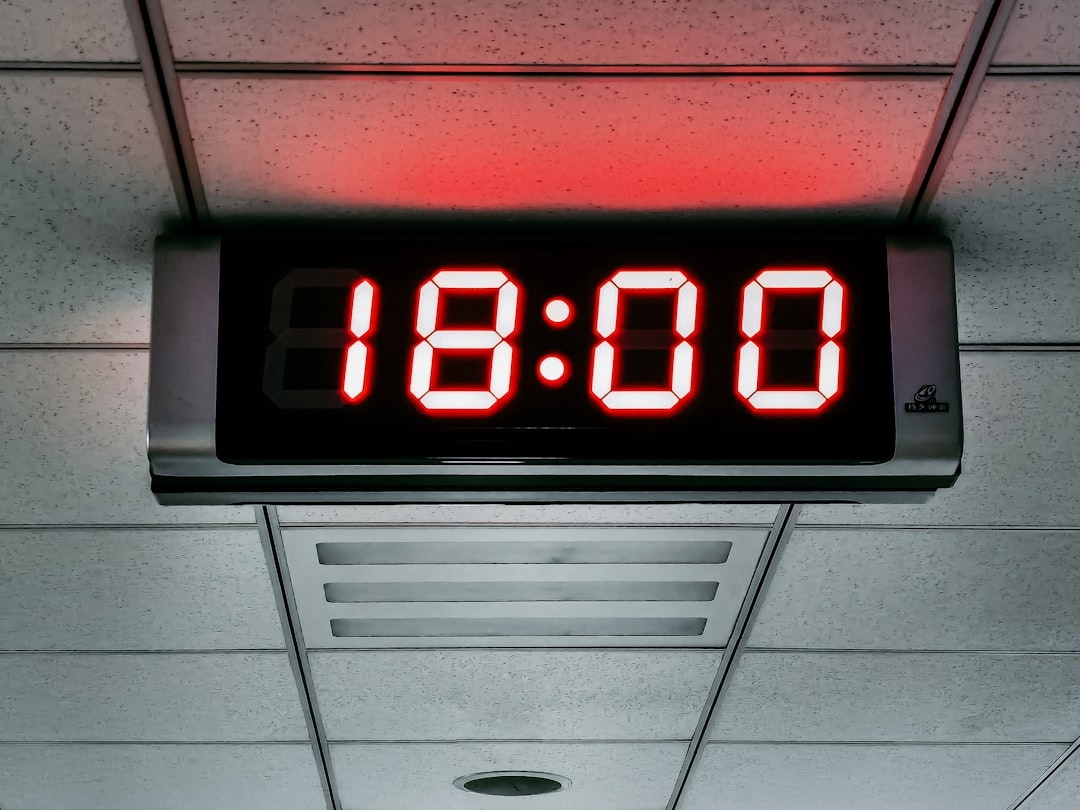
Many people think the Doomsday Clock is just a symbolic gesture or a vague warning. In reality, it's a precise gauge created by experts to measure how close humanity is to global catastrophe. Currently, the clock sits at an alarming 85 seconds to midnight, the closest ever recorded. This article explores what the clock really represents, how it works, and why this proximity to midnight should get your attention.
What Is the Doomsday Clock and Why Should You Care?
The Doomsday Clock was created in 1947 by the Bulletin of the Atomic Scientists. It metaphorically represents humanity’s proximity to self-destruction, primarily through nuclear war, but its time advances or retreats based on broader global threats such as climate change and disruptive technologies. The closer to midnight, the higher the risk of a catastrophic event.
This time is not arbitrary. Experts from various disciplines analyze current global conditions, monitoring political tensions, climate data, and emerging risks. The fact that the clock now reads 85 seconds to midnight highlights a severe uptick in these risks, combined with declining international cooperation—an alarming combination.
How Does the Doomsday Clock Actually Work?
Understanding the clock’s mechanics requires grasping that it is entirely symbolic, not a literal clock counting down seconds. Instead, it functions as a metaphorical indicator rebuilt annually based on thorough scientific assessments.
The Bulletin’s Science and Security Board, along with an advisory board of Nobel laureates, evaluates multiple factors including:
- Nuclear weapons development and global arms control treaties
- Climate change indicators like greenhouse gas emissions
- Cyber threats and emergent technologies with catastrophic potential
- Political stability and international diplomatic relations
By weighing these risks, they decide how far the clock’s minute hand moves toward or away from midnight. The “midnight” here stands for an irreversible global catastrophe, not a specific event.
Why Is Cooperation Among Countries So Crucial?
The current state of the clock underscores a particularly worrying trend: declining cooperation among world leaders. Many global challenges such as nuclear disarmament and climate change require unified, coordinated efforts. Without this, even the best policies risk failure. Reduced trust and increased geopolitical tension push us closer to the edge.
This echoes a critical lesson seen in both international relations and software development: isolating problems leads to fragile systems. Just as a fragmented codebase or siloed team leads to breakdowns, fractured political alliances raise the odds of catastrophic outcomes.
Common Misconceptions About the Doomsday Clock
Some assume the Doomsday Clock predicts exactly when disaster will strike. This is not the case; it is a symbolic tool meant to raise awareness and prompt dialogue. Others believe it only concerns nuclear war, ignoring the broader threats like climate change and digital vulnerabilities now factored into the calculations.
Another misconception is believing the clock to be politically motivated or alarmist. In truth, its assessments come from nonpartisan scientific analysis. Knowing this helps avoid dismissing it outright—a mistake that has serious consequences.
When Should You Pay Attention to the Doomsday Clock?
You don’t need to obsess over the clock every year, but understanding its warnings when it nears midnight can help you grasp the state of global security. It’s particularly relevant when considering the risks your community, country, or profession faces due to international instability or environmental threats.
When NOT to rely on the Doomsday Clock: Don’t treat it as a timetable for panic or as a comprehensive predictor of all crises. It’s a guidepost, not a prophecy.
What Can Global Leaders Do to Turn Back the Clock?
The message is clear: swift cooperation and decisive action are needed. This includes:
- Revitalizing arms control agreements to reduce nuclear threats
- Implementing strong policies to curb greenhouse gas emissions and address climate change
- Improving global communication and transparency to build trust
- Addressing misinformation that escalates geopolitical conflict
As in complex software systems, it’s often easier to prevent failure through teamwork and early intervention than to recover after disaster strikes.
What Does This Mean for You?
You might feel distant from these global issues, but your awareness and engagement matter. Understanding the Doomsday Clock’s realities can help you make informed decisions, whether in discussions, voting, or community actions supporting peace and sustainability.
One concrete way to see this in action is by tracking international news updates on nuclear agreements or climate conferences to watch how these decisions affect the clock’s time.
Test Your Understanding: A Quick Experiment
Spend 20 minutes today researching the latest update from the Bulletin of the Atomic Scientists on the Doomsday Clock. Note the specific reasons they give for the 85 seconds setting. Then, identify one recent international event that could positively or negatively impact this time and consider what you would advise leaders to do differently.
This simple exercise deepens comprehension by connecting abstract measurements to real-world events, helping you appreciate why the Doomsday Clock matters beyond the headlines.
Technical Terms
Glossary terms mentioned in this article











Comments
Be the first to comment
Be the first to comment
Your opinions are valuable to us