
Understanding the Ice Bowl Challenge
Getting stuck in an icy bowl is more common than you might think. These slippery, concave patches of ice trap many hikers, skaters, and winter adventurers, making movement tricky and sometimes dangerous. But physics offers some smart solutions that anyone can use to escape safely.
This article breaks down three friction-based tricks to help you regain control on ice slopes. These methods come from practical experience, not just theory.
What Makes Ice Bowls So Slippery?
Before diving into the tricks, it's important to understand why ice bowls are slippery. The main culprit is reduced friction. Friction is the force resisting motion between two surfaces. Ice typically has low friction, especially when a thin water layer exists due to pressure or temperature, causing hydroplaning effects that make your feet or wheels slide.
In an ice bowl—a curved, bowl-shaped depression covered with ice—gravity pulls you downward while the slippery surface offers little resistance. This combination makes it hard to stop or change direction.
How Do You Use Physics to Your Advantage on Ice?
Here are the three friction-based techniques proven to work when trying to escape an ice bowl.
1. Increase Friction by Changing Contact Surface
One of the most direct ways to slow down is to increase friction. But on ice, it’s not just about pressing harder; it’s about altering how and where you make contact.
If your shoes or boots have smooth soles, slipping will be inevitable. To increase friction:
- Shift your weight to the edges of your feet where shoes have more tread.
- Dig in your heel or side of your foot, creating sharper contact points to increase grip.
- If available, use nearby natural tools—like walking sticks or even a sturdy branch—to add extra friction points.
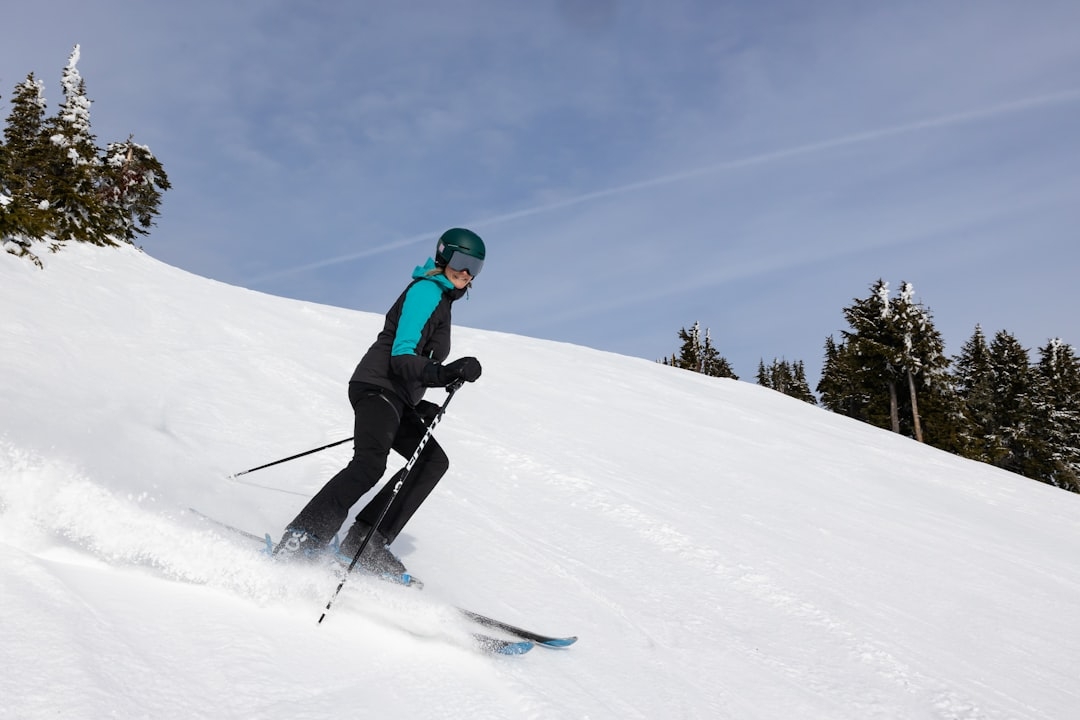
2. Use the “Zigzag” or “Serpentine” Approach to Reduce Downhill Speed
Instead of heading straight down, which maximizes speed and minimizes control, try moving across the slope at angles. This approach is based on the principle of decomposing your motion to reduce effective force along the slippery path. Think of it like how a cyclist zigzags down a hill to reduce speed and maintain stability.
This technique increases the frictional force acting on you by increasing the path length and time to descend, allowing your contact points more time to grip.
3. Apply Controlled Micro-Stops: Tactical Weight Shifts
Many believe you need to stop abruptly to regain control, but on ice, sudden stops often lead to falls. Instead, use small, controlled shifts of your weight to modulate friction forces without losing balance.
These micro-stops create brief moments of increased friction without full stops. Think of tapping the brakes lightly and repeatedly rather than slamming them suddenly when driving on ice. On foot, it translates to subtle adjustments in how your foot presses down and slides, preventing full slips.
When Should You Use Each Technique?
Knowing when to apply these tricks is just as important as how.
- For steep slopes: Prioritize the zigzag approach to control speed before attempting to increase friction.
- When stuck: Rely on changing your contact surface and tactical weight shifts to regain grip.
- In mixed terrain: Combine all techniques cautiously, adapting as the surface and slope change.
How Can You Combine These Techniques Effectively?
Most situations won’t call for a single trick. A practical escape involves a blend:
- Start by assessing your footing to improve traction.
- Use the zigzag approach to reduce momentum.
- Incorporate micro-stops while you work your way out.
By thinking dynamically and responding with these physics-backed methods, you turn a slippery challenge into a manageable task.
Physics Behind the Tricks: Why Do They Work?
Friction depends on the normal force (how hard you push into the surface) and the nature of the contact surfaces (rough or smooth). By maximizing normal force through tactical weight shifts and altering contact points, you increase friction even on ice.
The zigzag technique works because it reduces the component of gravitational force acting directly downhill, giving friction more time to slow you.
Common Misconceptions About Escaping Ice Bowls
Many believe that the best solution is to stand still or shuffle slowly forward. This often backfires because stagnant or linear movement doesn’t help build the friction needed to stop slipping.
Also, over-gripping the surface by digging in too hard can cause you to lose balance or damage your shoes, decreasing effective grip. Instead, listen to your body and adjust gradually.
Comparison Table: Key Technique Trade-offs
| Technique | Best Use Case | Pros | Cons |
|---|---|---|---|
| Change Contact Surface | When stuck or slow movement is possible | Increases grip significantly, simple to apply | Can be tiring, risk of shoe sole damage |
| Zigzag Approach | Steep slopes to control speed | Reduces downhill force, improves control | Longer descent time, requires space to maneuver |
| Tactical Weight Shifts | Any slope for micro-controls | Maintains balance, smooth friction application | Needs practice, subtle technique |
Try This Now: Your Ice Bowl Test
Here’s a practical experiment to try within 10-30 minutes. Find a slippery, slightly inclined surface—like a patch outside or a smooth floor with minor moisture.
- Walk straight down slowly and notice how little control you have.
- Next, try the zigzag approach, moving across the slope at angles.
- Then, add deliberate weight shifts to feel how small friction changes impact your ability to stop.
- Lastly, test how changing your foot angle or using shoe edges affects your balance.
This simple exercise will give you firsthand insight into the physics-based tricks described here. Remember, mastery comes from feeling how forces act on your body—experience is your best teacher.
Good luck transforming slippery challenges into confident strides!
Technical Terms
Glossary terms mentioned in this article









Comments
Be the first to comment
Be the first to comment
Your opinions are valuable to us