

When I first used Siri years ago, it felt like a helpful but limited assistant—primarily a voice-controlled shortcut tool integrated across Apple devices. But recent reports suggest that Apple plans to reinvent Siri, making it a conversational AI chatbot with capabilities closer to ChatGPT rather than just a voice assistant.
This shift highlights a significant change in how Apple might approach AI, aiming to create a more flexible and intelligent interaction model across its ecosystem.
What Does Apple’s Plan for Siri Entail?
According to the report, Apple intends to upgrade Siri by embedding advanced AI chatbot technology directly into the assistant. This means Siri would not simply respond to fixed commands but engage in dynamic, context-aware conversations, much like OpenAI’s ChatGPT.
This change is more than a superficial upgrade; it involves rethinking how Siri processes user inputs, generates responses, and improves personalized assistance. Instead of the scripted or command-driven Siri many users are familiar with, the new design aims to offer a natural-language AI that can understand nuances, hold multi-turn conversations, and provide more relevant answers.
How Does This Compare to ChatGPT?
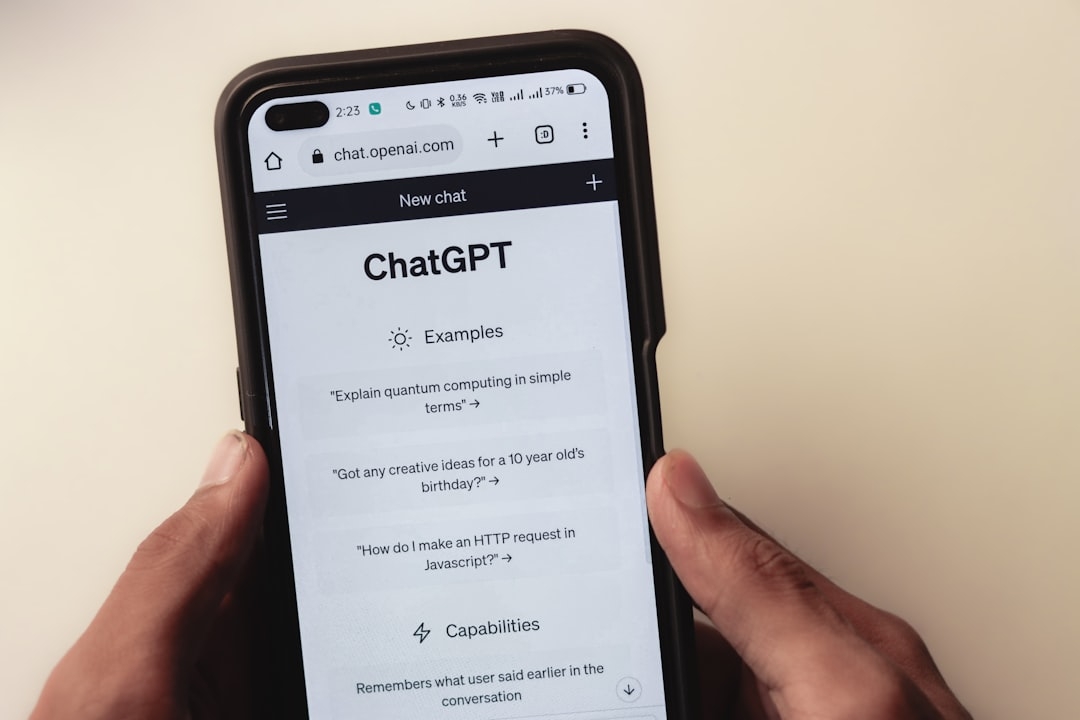
ChatGPT is a language model trained extensively on vast text databases, enabling it to generate humanlike responses, solve problems, and engage users across diverse topics. Apple's plan suggests integrating similar generative AI principles into Siri, though tailored for its devices and privacy standards.
Unlike today's Siri, which relies on structured queries and limited NLP (Natural Language Processing), the new approach would enable:
- Context retention: Remembering previous conversation elements to maintain flow
- More natural interaction: Responding with fluid sentences instead of brief, robotic replies
- Expanded knowledge scope: Drawing from richer data sources and AI models
How Will This Affect Everyday Siri Use?
Consider situations like planning a trip or troubleshooting a device. Currently, Siri might give you directions or set reminders but often struggles with layered questions or problem-solving that require follow-up.
The upgraded Siri could:
- Understand complex multi-part requests better
- Offer tailored advice based on user context
- Assist in creative tasks such as drafting messages or brainstorming ideas
This would make interactions feel less transactional and more collaborative, with Siri acting almost like a personal AI companion.
What Challenges Does Apple Face in Making Siri a True Chatbot?
Transforming Siri into an AI chatbot involves overcoming significant hurdles, including:
- Privacy controls: Apple emphasizes user data protection, so integrating advanced AI must comply with strict privacy standards.
- On-device processing limits: Delivering complex AI computations without overloading devices or relying heavily on cloud services is challenging.
- Balancing accuracy and flexibility: Neural conversational models sometimes generate plausible but incorrect answers (known as hallucinations), which Apple must minimize to maintain trust.
Apple's approach likely involves optimizing models for edge devices and leveraging specialized hardware (like Apple’s Neural Engine) for efficient AI execution.
When Should Consumers Expect to See These Improvements?
While timelines are not confirmed, such a transformation often requires multi-year development. Apple's integration across hardware and software gives it a unique advantage, but the transition from a voice assistant to an advanced chatbot AI on millions of devices is complex.
Users can expect incremental improvements, starting with more conversational features and smarter contextual responses in software updates before full chatbot capabilities become available.
Why Is This Shift Important?
As AI-driven chatbots show their appeal across industries, Apple's move ensures Siri remains competitive. It also opens doors to innovative user experiences across Apple products—from iPhone and Mac to HomePod and CarPlay—unified by a smarter AI interface.
What Should Users Do to Prepare for the New Siri?
To get ready for the enhanced Siri experience, users can:
- Keep devices updated to the latest software versions.
- Explore current Siri shortcuts and customizations to understand interaction possibilities.
- Provide feedback on Siri’s current strengths and limitations to help shape future improvements.
These steps will help ensure smoother adaptation as Apple rolls out the changes.
How Can Developers and Tech Enthusiasts Approach This Change?
If you're a developer or enthusiast, understanding the evolving AI frameworks that Apple may use is crucial. Apple's commitment to privacy suggests on-device AI will be emphasized, possibly via frameworks like Core ML or Swift for AI model integration.
Preparing to build applications that leverage conversational AI while respecting privacy will be an essential skill. Monitoring Apple's announcements and SDK releases will provide insights into how to optimize apps alongside the new Siri capabilities.
Final Thoughts: What Will This Mean for AI Assistants?
The transformation of Siri signals a broader trend where consumer AI assistants become more aligned with human-like conversational AI models. Although Siri’s evolution will require addressing key trade-offs like privacy versus functionality, this change promises richer, more intuitive digital assistance embedded seamlessly in everyday life.
For now, Apple’s roadmap remains partly speculative, but the direction is clear—Siri is moving closer to ChatGPT-style conversational intelligence, marking a new chapter in AI personalization and usability.
Next Steps: Try testing your current Siri with complex, multi-step requests to identify where it struggles. Note these scenarios and explore possible voice shortcuts or tips to improve your experience while waiting for the new AI upgrade.
Technical Terms
Glossary terms mentioned in this article










Comments
Be the first to comment
Be the first to comment
Your opinions are valuable to us