
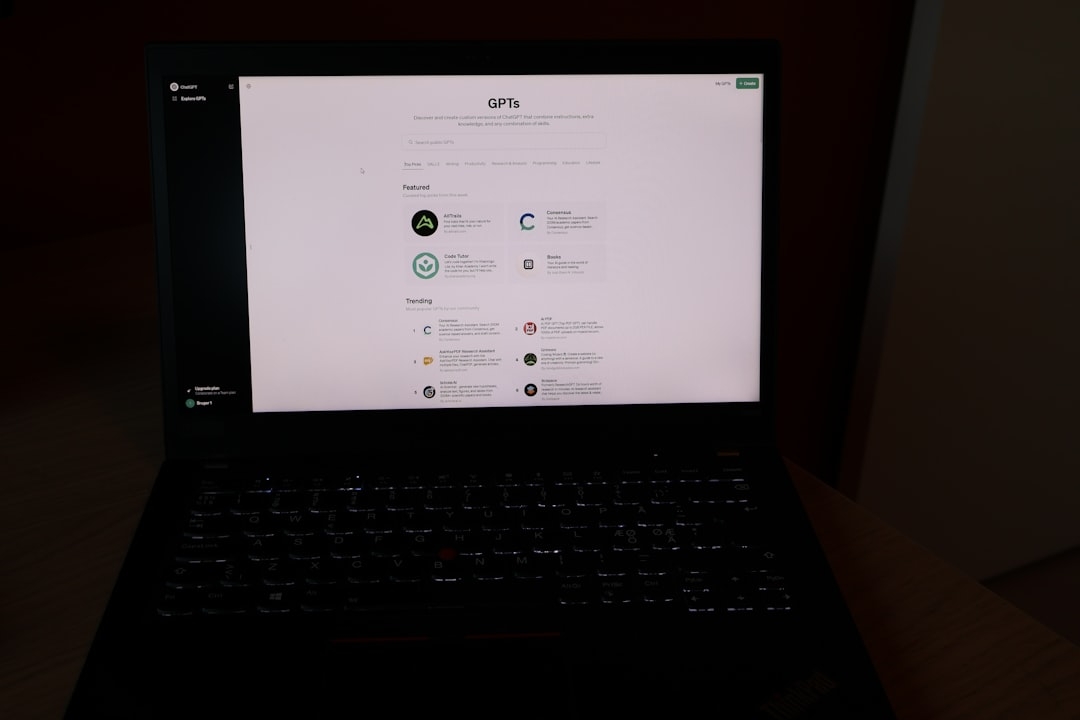
Understanding ChatGPT's Growth Milestone
ChatGPT, developed by OpenAI, has rapidly evolved from an experimental AI model to a widely used tool, reaching an impressive milestone of 900 million weekly active users. This scale of adoption highlights the growing reliance on AI-driven conversational tools across various sectors and user demographics.
The surge in usage represents not only the power of AI but also the increasing demand for tools that facilitate communication, creativity, and productivity in real time.
How Does ChatGPT Handle Such Massive User Demand?
Behind the scenes, ChatGPT operates using advanced natural language processing powered by large-scale machine learning models. These models are trained on vast datasets and require significant computational resources to operate efficiently.
To support 900 million weekly active users, OpenAI leverages high-performance cloud infrastructure, model optimization techniques, and load balancing to maintain responsiveness and reliability. The AI processes billions of inputs weekly, generating coherent and context-aware responses almost instantly.
Weekly active users (WAU) refers to the number of unique users interacting with ChatGPT at least once during a given week, indicating the breadth of its user base.
What’s the Role of the Recent $110 Billion Funding?
OpenAI's announcement of a $110 billion private funding round underscores investor confidence in the AI sector's potential. This investment is slated to accelerate research, infrastructure expansion, and product development.
Such substantial funding ensures ChatGPT can continue scaling efficiently, improve model capabilities, and introduce new features that meet evolving user needs.
What Challenges Come with Rapid AI Adoption?
Managing a user base nearing one billion weekly active users involves multiple challenges:
- Scalability: Ensuring infrastructure can handle unpredictable spikes in usage without degradation.
- Latency: Maintaining fast response times globally despite network and processing constraints.
- Cost: Balancing operational expenses tied to large cloud compute needs.
- Ethical Use: Monitoring and mitigating misuse, bias, and privacy concerns.
OpenAI addresses these concerns through ongoing technical innovations, policy implementations, and community engagement.
How Does ChatGPT Compare to Other AI Tools in User Reach?
While AI conversational models are rapidly gaining popularity, ChatGPT stands out with its unprecedented weekly user engagement. Here's a comparison table outlining user scale and funding for major AI platforms:
| AI Platform | Weekly Active Users | Recently Raised Funds |
|---|---|---|
| ChatGPT (OpenAI) | 900M | $110B private |
| Google Bard (Google) | ~100M (estimated) | Not publicly disclosed |
| Bing Chat (Microsoft) | ~200M (estimated) | Microsoft invested $10B+ in OpenAI |
When Should You Use ChatGPT Versus Other AI Tools?
ChatGPT excels in generating human-like conversational responses, coding help, content creation, and brainstorming. If you require:
- Creative text generation
- Interactive question answering
- Detailed explanations or tutoring
ChatGPT provides a versatile solution. However, other specialized AI platforms may suit niche tasks such as real-time search integration or domain-specific applications.
What Are Common Misconceptions About ChatGPT's User Numbers?
Some assume that 900 million weekly active users mean daily uninterrupted usage or total paying customers, which is not the case. Weekly active users count anyone with at least one interaction in a week, reflecting broad reach but not continuous engagement.
Another misconception is that higher user counts directly equate to higher revenue. OpenAI’s monetization strategies include subscriptions and API usage, but large user bases often include free-tier users or trial participants.
Expert Insights: Scaling AI at This Magnitude
Managing AI services at ChatGPT's scale requires robust architecture, constant monitoring, and iterative model training. Load balancing across global servers reduces latency, while adaptive models optimize responses to diverse user queries.
Experts emphasize the importance of balancing model complexity with practical performance to avoid system bottlenecks and maintain user satisfaction.
What Trade-Offs Are Involved in Scaling ChatGPT?
- Performance vs. Cost: Increasing computational power improves speed but raises operational costs.
- Complexity vs. Responsiveness: More advanced models can generate nuanced answers but may delay response time.
- Accessibility vs. Control: Opening access broadly boosts adoption but complicates content moderation and misuse prevention.
OpenAI continues refining these trade-offs to balance growth with quality and safety.
How to Experience ChatGPT’s Capabilities Yourself
To understand ChatGPT's performance at scale, you can run a simple experiment. Try engaging with ChatGPT for 15-20 minutes, focusing on diverse question types: factual queries, creative prompts, and technical questions. Observe response speed, depth, and relevance. This direct use will reveal both strengths and current limitations.
Tracking your interaction informs how AI fits your needs and the balance OpenAI maintains between accuracy, speed, and accessibility.
Summary
OpenAI’s announcement of 900 million weekly active users and a $110 billion funding round marks a pivotal moment in AI adoption and development. ChatGPT’s user base demonstrates vast interest and usefulness in AI conversational agents.
Understanding the technical and operational challenges behind this scale helps demystify AI’s potential and limitations. By experimenting firsthand, you can gauge how AI tools like ChatGPT might improve workflows, creativity, and learning in your context.
Technical Terms
Glossary terms mentioned in this article








Comments
Be the first to comment
Be the first to comment
Your opinions are valuable to us