
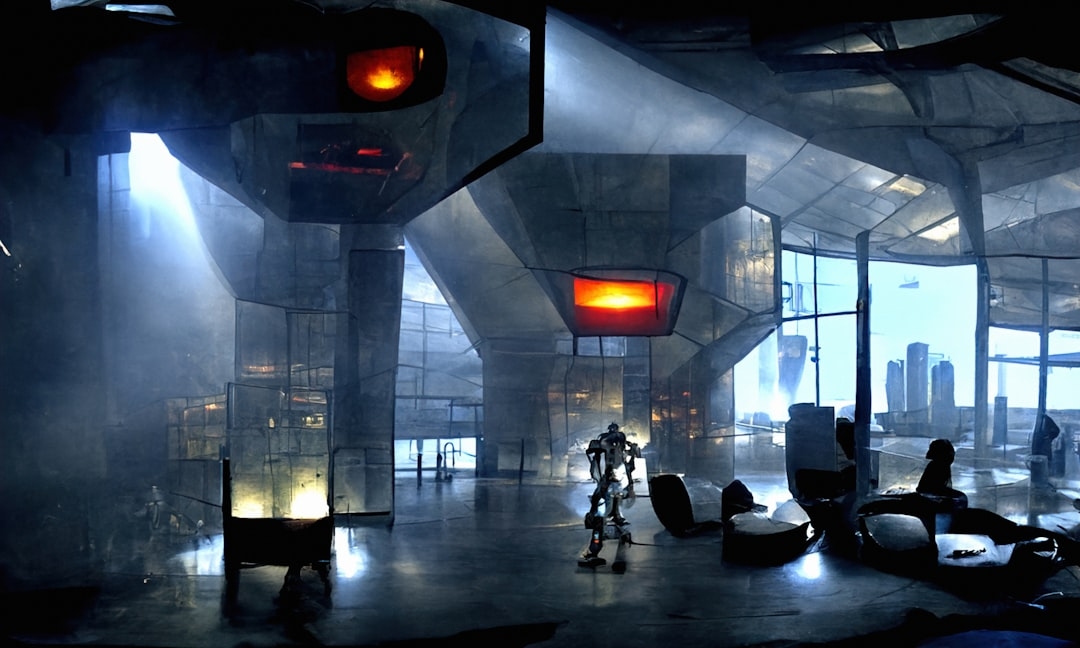
The rise of generative AI has transformed many creative fields, from art to writing. Yet, a notable backlash is emerging among science fiction writers and Comic-Con organizers, who are increasingly wary of AI’s role in the production of content that defines their industry. As key drivers of storytelling and pop culture, their refusal to embrace AI signals deeper tensions about creativity, control, and the future of the genre.
Understanding why some of the most influential voices in science fiction are turning against AI is crucial for readers, creators, and fans alike. It touches on issues of originality, ethical concerns, and the cultural impact of relying on machines to generate stories.
What’s Driving the Pushback Against AI Among Sci-Fi Writers and Comic-Con?
At the heart of this resistance lies a fear that generative AI threatens the authenticity and creativity that define science fiction. Writers argue that AI-generated content lacks the human insight and emotional depth needed to craft compelling narratives. Comic-Con, as a hub for fans and creators, reflects this concern by reevaluating how AI should be integrated or restricted in their events and panels.
Generative AI refers to machines that use complex algorithms and vast amounts of data to create text, images, or other media. While impressive, these tools are essentially remixing existing works—a process some view as undermining original creation.
How Does Generative AI Work in Creative Fields?
Generative AI systems are trained on large datasets from books, films, art, and other content sources. They learn patterns in language, imagery, and storytelling structures, generating new material that mimics these patterns. In science fiction writing, this means AI can produce entire passages or assist in brainstorming ideas based on prompts.
However, the technology operates without understanding context or cultural nuance, which can lead to superficial or inappropriate outputs. This technical limitation fuels skepticism among writers who value the nuanced craft of storytelling.
Where Does AI Shine and Where Does It Fall Short in Science Fiction?
- Strengths: AI can quickly generate drafts, help brainstorm concepts, and automate repetitive writing tasks, aiding productivity.
- Weaknesses: AI lacks creativity in the human sense, often producing derivative or inconsistent stories without emotional resonance or originality.
This trade-off means AI might serve as a tool rather than a replacement in creative processes. Many writers feel the risk of losing the human touch and unique voices outweighs the benefits.
What Alternatives Are Sci-Fi Writers Exploring Instead of AI?
To maintain creative integrity, some writers prefer traditional collaboration, in-person workshops, and mentoring newcomers. Others experiment with AI in controlled ways, using it for ideation but resisting full reliance.
The community is also advocating for stronger protections against AI-generated plagiarism or unauthorized use of existing content, emphasizing clear ethical boundaries.
Comparison Table: AI vs Human Creativity in Sci-Fi Writing
| Aspect | Generative AI | Human Writers |
|---|---|---|
| Creativity | Algorithmic remixing | Original insights and emotional depth |
| Speed | Rapid content generation | Slower, iterative process |
| Consistency | Variable, often erratic | Consistent voice and quality control |
| Emotional impact | Limited, surface-level | Deep and nuanced |
| Ethical concerns | Unclear authorship, copyright issues | Clear authorship and rights |
How Is Comic-Con Addressing AI Concerns?
Comic-Con organizers are adjusting policies around AI-generated content to protect creators’ work and maintain event authenticity. Debates focus on whether AI art or writing should be allowed in competitions, panels, or vendor booths. The community’s reaction is shaping new guidelines that balance innovation with respect for human creators.
What Should Fans and Aspiring Writers Know About AI’s Role?
While AI tools can be tempting shortcuts, they come with significant limitations and ethical questions. Aspiring writers should understand the importance of honing their own voice and not becoming overly reliant on AI-generated content, which may dilute originality.
Critically examining AI’s capabilities and pitfalls helps maintain high standards in storytelling. It also encourages creators to push boundaries while respecting the creative process.
Final Thoughts
The firm stance of science fiction writers and Comic-Con against unregulated generative AI use highlights a pivotal moment in creative industries. Their concerns emphasize that while AI offers assistance, it cannot replicate the human experience essential to meaningful storytelling.
Creators and fans alike must navigate the trade-offs between embracing new technologies and preserving authentic artistic expression. This ongoing dialogue will shape the future of sci-fi and pop culture for years to come.
Try This Experiment
Spend 20 minutes writing a short sci-fi story by hand without any AI tools. Then, spend another 20 minutes generating a story using a popular AI assistant. Compare both versions for originality, emotional impact, and coherence. This exercise reveals firsthand why many creators approach AI cautiously.
Technical Terms
Glossary terms mentioned in this article

Comments
Be the first to comment
Be the first to comment
Your opinions are valuable to us