
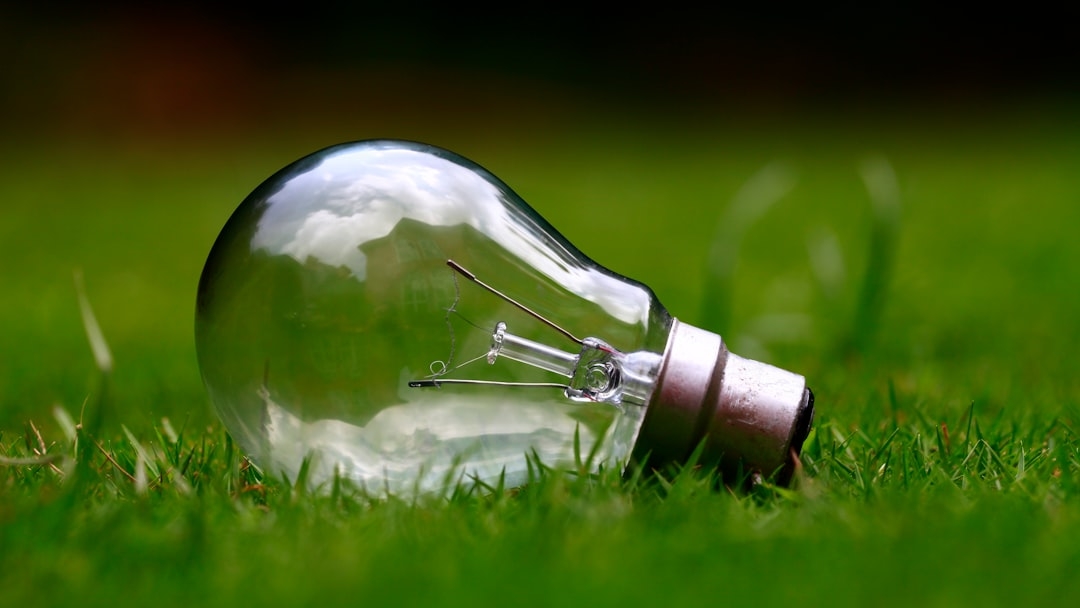
In conversations about technology and sustainability, energy consumption tends to focus heavily on artificial intelligence (AI) systems. But what if we paused to consider how much energy humans themselves use each day? Sam Altman, CEO of OpenAI, recently brought attention to this perspective, urging a broader view that keeps human energy use in the conversation.
This reminder is important because the discussion around AI's environmental impact often overlooks a crucial comparison: humans are also significant consumers of energy, both directly and indirectly.
How Does Human Energy Consumption Compare to AI Systems?
To appreciate Altman's point, it’s essential to understand the scale of energy used by both humans and AI. Humans consume energy through food, transportation, housing, manufacturing, and countless daily activities. For example, the average American household uses about 877 kWh of electricity monthly, while transportation fuels and industrial processes require even more energy.
On the other hand, training large AI models is an energy-intensive process. It often involves thousands of GPUs running for days or weeks, consuming megawatt-hours of electricity. However, unlike humans, AI systems only consume that energy when they're operating — they don't require food, housing, or other ongoing personal energy needs.
What Are the Trade-Offs Between AI and Human Energy Use?
Comparing human and AI energy consumption is not straightforward because their energy demands serve very different purposes. Human energy supports biological functions, mobility, comfort, and societal infrastructure. AI’s energy powers computation, data analysis, and problem-solving tasks that can optimize or replace some human activities.
One trade-off is that AI may consume large bursts of energy to produce results that reduce other forms of energy use — like optimizing logistics to decrease fuel consumption or enhancing energy grids to improve efficiency. But these benefits must be carefully weighed against the carbon footprint of operating the AI systems themselves.
For example, an AI model might significantly reduce emissions by optimizing traffic flow in a city. Yet the training and deployment of that model require considerable computational power and energy.
When Should We Prioritize AI Innovations Despite Their Energy Costs?
Not every AI advancement justifies its energy consumption. Some models are trained more extensively than needed, and their benefits do not always surpass their carbon cost. Altman’s reminder encourages pragmatic evaluation.
Businesses and researchers should consider these factors before scaling AI solutions:
- Assess the potential energy savings the AI will generate in the long run.
- Compare the AI’s energy consumption with human or traditional methods it aims to replace.
- Focus on energy-efficient architectures and hardware to minimize waste.
- Explore renewable energy sources to power AI infrastructures.
How Can Developers and Organizations Balance AI Energy Use with Sustainability Goals?
Sustainability must guide AI development at every stage. Altman’s insight reflects real-world demands seen in production environments where unchecked energy use leads to logistical headaches and cost overruns.
Concrete steps include:
- Implementing energy monitoring to track AI workloads.
- Designing models that prioritize efficiency over marginal performance gains.
- Choosing cloud providers with renewable energy commitments.
- Optimizing data centers for cooling and power efficiency.
From direct experience, many teams discover that continuous improvements in efficiency yield better returns than solely chasing higher accuracy or larger model sizes. This trade-off often determines whether AI innovations scale responsibly.
What Checklist Can Help You Decide Your AI Energy Strategy?
Here’s a practical matrix to evaluate your next AI project’s energy considerations:
- Define the AI goal: What problem does it solve that justifies the energy expense?
- Estimate AI energy consumption: Are the model size, training duration, and hardware usage optimized?
- Compare with traditional methods: Does AI reduce overall human or industrial energy use?
- Assess operational energy footprint: Can inference and deployment be done with low power?
- Plan for renewable energy sourcing: Can your infrastructure shift to green energy?
- Implement monitoring: Track energy use continuously during production.
Completing this checklist within 15-25 minutes can clarify whether an AI project’s benefits outweigh its costs — keeping both human and technological energy consumption in perspective.
Altman’s reminder isn’t just about making peace with AI’s energy demands. It’s a call to view energy consumption holistically. As we advance in AI development, balancing real-world constraints is key — not idealized perfection.
Technical Terms
Glossary terms mentioned in this article











Comments
Be the first to comment
Be the first to comment
Your opinions are valuable to us