
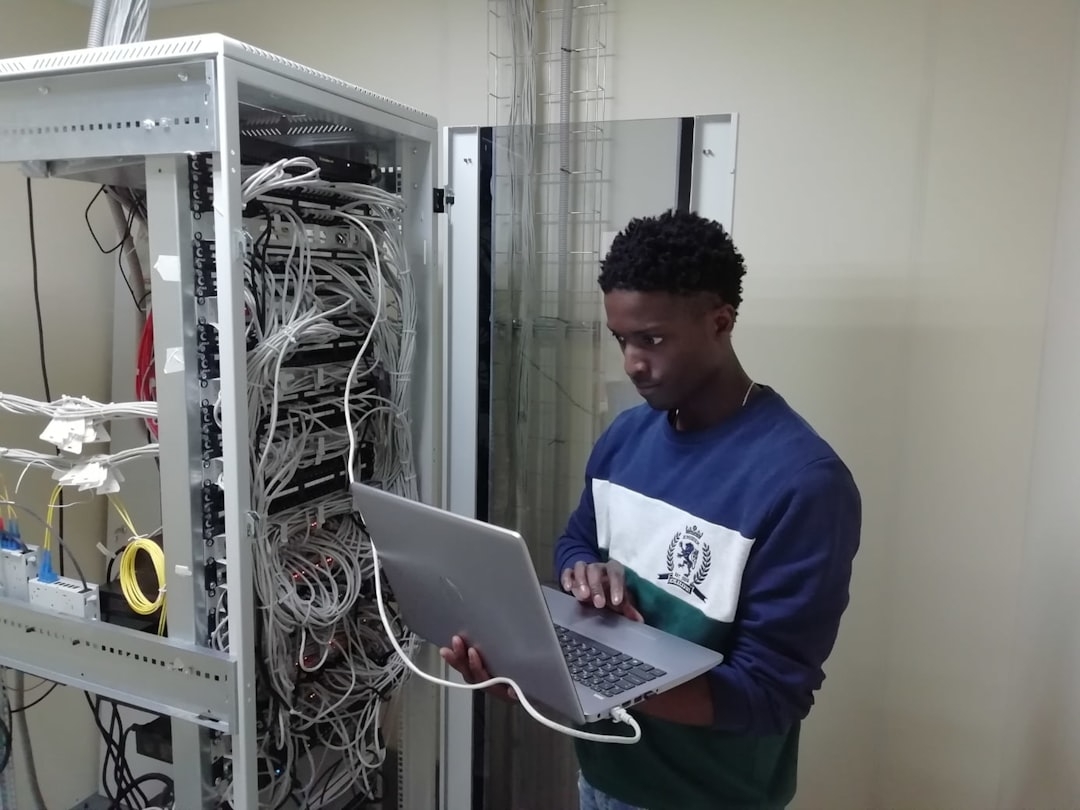
Many assume that AI data centers require traditional, high-end infrastructure setups with massive upfront investments in urban areas. However, a surprising trend has been emerging, where developers are turning to a style of camp originally designed for remote oil field workers. This approach, popularized in housing for men working in isolated locations, is proving to be a practical solution for the unique challenges faced by AI data centers.
Understanding the dynamics behind this shift sheds light on how industries can leverage existing models in entirely different contexts. It also highlights unseen opportunities by embracing modular, scalable housing designs to support intensive technical operations.
Why Are AI Data Centers Turning to Remote Worker Camps?
The owner of an Immigration and Customs Enforcement (ICE) detention facility recently identified a significant opportunity in AI man camps. These camps, traditionally used for worker housing in remote oil fields, offer modular and efficient living and operational spaces. For AI data center developers, replicating this model provides several advantages:
- Proximity to Remote Locations: Just as oil fields require on-site housing, AI data centers are often placed in locations where power costs are low but urban infrastructure is limited.
- Modularity and Scalability: Camps built for workers are designed to be quickly assembled and scaled, enabling data centers to expand with minimal construction delays.
- Cost Efficiency: Housing and operational structures based on these camps are usually less expensive than traditional real estate, making them financially attractive for a capital-intensive industry.
Such camps typically include dormitory-style housing, communal dining areas, recreational spaces, and centralized management offices. This layout supports stable and focused operations for personnel managing AI infrastructure in remote areas.
How Does This Camp-Style Housing Work for AI Data Centers?
The concept involves leveraging a modular building style characterized by pre-fabricated units assembled on-site. These units accommodate essential support staff who maintain AI data centers’ physical and networking infrastructure around the clock. This setup enables rapid deployment in places with limited access to conventional construction resources.
Key features of these camps include:
- Pre-Fabricated Buildings: Structures are manufactured off-site and transported in sections for quick assembly.
- Self-Contained Utilities: Designed with integrated power, water, and sanitation systems to ensure autonomy.
- Centralized Support Facilities: Includes command centers for monitoring, emergency response rooms, and communal spaces to sustain worker morale.
In AI data centers, uptime is critical. Having on-site accommodations for operators reduces response times to technical issues and infrastructure failures. The familiarity and flexibility of camp-style housing greatly facilitate continuous maintenance in otherwise hard-to-reach environments.
When Should AI Developers Use Camp-Style Housing for Data Centers?
This approach is especially beneficial in scenarios where:
- Data centers are located in geographically isolated areas with limited existing urban infrastructure.
- There is a need for rapid deployment and expansion of operational personnel housing.
- Cost constraints prevent investment in permanent, high-cost buildings.
However, for AI facilities near major urban centers, traditional office and housing options still prevail because of accessibility and local workforce availability. Camp-style housing shines in remote regions, where infrastructure challenges make conventional solutions impractical or prohibitively expensive.
Can These Camps Balance Efficiency with Employee Well-Being?
A common assumption is that camp-style housing compromises quality of life. While historically associated with basic accommodations, modern adaptations aim to provide a comfortable environment for workers. Features include improved heating, air conditioning, internet connectivity, recreational amenities, and privacy options.
However, this model does require acceptance of communal living and reduced personal space, which might not suit all employees. Developers must weigh operational benefits against potential impacts on retention and productivity.
Real-World Examples Highlighting This Trend
1. Remote AI Data Center in Texas: A facility servicing multiple AI clients used modular camps to house on-site engineers and support teams. The quick assembly allowed the center to become operational months ahead of traditional builds.
2. Oil Field Housing Models Inspire Cloud Providers: Leading cloud services adopted pre-fabricated housing designs from oil camps to support their edge computing sites, improving staffing efficiency in isolated locations.
3. ICE Detention Facility Owner's New Venture: The facility owner is repurposing his knowledge of housing logistics within detention camps to create flexible man camps tailored for AI data centers, opening a new market niche.
What Are the Trade-Offs of Using Camp-Style Housing for AI Data Centers?
While cost and speed advantages are clear, there are some compromises to consider:
- Comfort vs. Practicality: Camps may lack the amenities and space of urban housing, affecting worker satisfaction.
- Logistics Complexity: Managing utilities and supplies remotely can incur hidden challenges.
- Regulatory and Zoning Issues: Some jurisdictions have strict rules affecting temporary or modular housing.
In production environments I observed, the balance often favored camps when infrastructure deployment timelines were tight and workforce adaptation was manageable. But success depended heavily on thoughtful design and ongoing support services.
Try This: Assess the Fit of Camp-Style Housing for Your AI Project
If you're evaluating housing options for a remote AI data center, spend 10-30 minutes creating a simple pros and cons checklist based on your location, workforce needs, and budget constraints. Include considerations for worker comfort, deployment speed, and regulatory factors.
This exercise will provide clarity on whether adopting camp-style housing aligns with your operational objectives and helps identify areas requiring extra planning. Recognizing the strengths and limits of this approach is key to making informed decisions in AI infrastructure development.
Technical Terms
Glossary terms mentioned in this article






Comments
Be the first to comment
Be the first to comment
Your opinions are valuable to us