

It’s easy to think that massive spending by tech giants like Amazon and Google on artificial intelligence will instantly lead to groundbreaking products and revolutionary services for everyone. However, behind the headlines about billions in AI-capital expenditures (capex), there’s much more complexity — and trade-offs — at play.
Amazon’s plan to invest $200 billion and Google’s $175 to $185 billion capex by 2026 represent some of the largest technology investments ever. But what exactly are these companies spending on, and what does such an AI spending race mean for the technology and its users?
What Does “AI Capex” Really Mean?
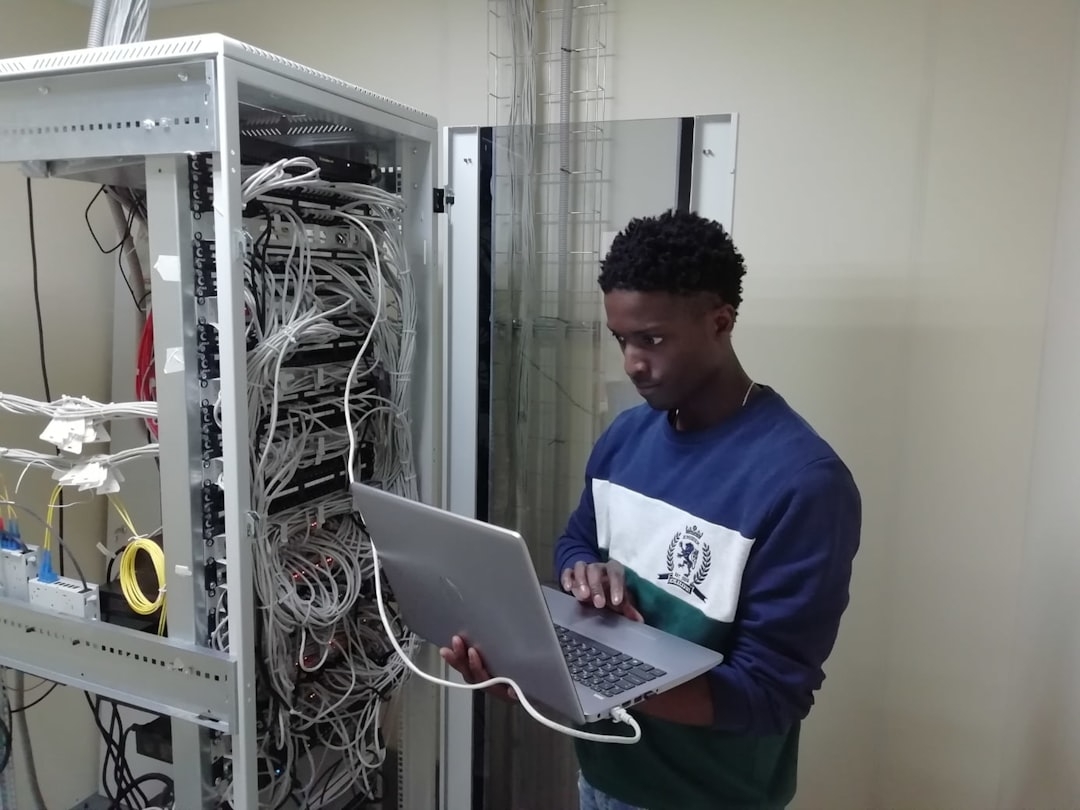
Capital expenditures (capex) are long-term investments in physical assets. In the AI context, this usually includes data centers, servers, networking hardware, and specialized chips designed to run machine learning models efficiently. These investments lay the groundwork for large-scale AI applications.
The complexity of building AI at scale means companies invest heavily in infrastructure before those investments translate to user-facing features. For example, both Amazon and Google operate massive global cloud platforms that serve millions of businesses, and AI capabilities are increasingly embedded in these services.
How Are Amazon and Google Deploying These Billions?
Amazon’s $200 billion capex is not just for shopping or Alexa voice assistants. Much of this funding goes towards expanding its AWS cloud infrastructure, which supports AI workloads for thousands of companies globally. These investments enhance AI training speed and operational efficiency, boosting services like Amazon SageMaker and more.
Google’s $175 to $185 billion investment similarly expands its data centers with next-gen AI hardware such as Tensor Processing Units (TPUs) — custom chips optimized for AI tasks. These supercharge Google’s AI-powered products like search enhancements, natural language processing, and AI-assisted cloud services.
Real-World Examples of AI Capex Impact
- Amazon: Building new hyperscale data centers in Virginia and Ohio designed around AI workloads, enabling faster processing of machine learning tasks for AWS customers.
- Google: Using TPUs to improve the efficiency of language models powering Google Assistant, making responses faster and more contextually aware.
- Both Companies: Exploring advanced cooling and power systems to handle AI infrastructure’s enormous electricity demands sustainably.
Why Isn’t Massive AI Spending Always Visible to Users?
One common misconception is that AI capex directly equals new flashy features. In reality, much of this expenditure is "under the hood," improving reliability, speed, and scale for existing AI services. These foundational upgrades often go unnoticed by end users but are critical for innovation.
However, this also means the return on investment can take years to materialize. For example, training large language models or building AI that handles real-time translation requires enormous computing resources and fine-tuning, which infrastructure capex supports.
What Are The Challenges and Limits of This AI Spending Race?
Despite billions invested, building AI systems remains incredibly challenging. The energy consumption and hardware costs are significant hurdles. Scaling AI safely and ethically adds additional complexity and legal risk.
Furthermore, AI infrastructure investments tend to create a high barrier to entry for smaller players, possibly reinforcing the dominance of these tech giants in AI research and services. The focus on capex also ignores other factors like software innovation and talent acquisition that are equally vital.
When Should Companies Focus Less on Capex and More on Alternatives?
Companies and developers should consider whether investing in vast AI infrastructure is necessary for their goals. Alternatives like cloud AI services, open-source models, and partnerships can provide access to AI capabilities without the massive upfront expenditure.
Small and medium enterprises, for instance, often benefit from leveraging Google and Amazon’s AI platforms rather than trying to build their own massive infrastructures.
What’s the Practical Takeaway for AI Enthusiasts and Businesses?
Understanding the capex race helps set realistic expectations. Massive investments by Amazon and Google support a future where AI capabilities continue to improve and scale. However, success depends not just on money spent but also on how efficiently and responsibly these companies turn investment into usable technology.
For businesses and developers, this means watching for ways to leverage these infrastructures effectively, focusing on concrete AI applications rather than just the hype about spending.
Step-by-Step: How to Investigate Your AI Infrastructure Needs
- Assess Your AI Use Cases: Identify specific business problems or projects that require AI capabilities.
- Gauge Infrastructure Needs: Determine whether your AI workloads require dedicated hardware or if cloud services suffice.
- Explore Cloud Offerings: Research AWS, Google Cloud AI tools, and their pricing to find suitable solutions.
- Run Small Tests: Use trial accounts or pilot projects to test AI services without heavy upfront investments.
- Monitor Costs Versus Benefits: Track computing costs and business impact to decide on scaling investments.
By following these steps in 20-30 minutes, you can better understand when high AI capex is necessary, helping you avoid overspending and focus on valuable outcomes.
Technical Terms
Glossary terms mentioned in this article






Comments
Be the first to comment
Be the first to comment
Your opinions are valuable to us