

Why AI Infrastructure Is the Backbone of the AI Boom
You’ve probably heard about the massive AI breakthroughs recently, but have you wondered what makes these advances possible? The secret lies in the extensive, billion-dollar infrastructure projects underpinning today’s AI systems. This infrastructure is not just high-end computers—it’s an intricate network of data centers, specialized hardware, and cloud services that enable AI models to train and run efficiently.
Tech giants such as Meta, Oracle, Microsoft, Google, and OpenAI have been investing heavily in these infrastructure projects. Understanding these deals sheds light on the real engines powering AI innovations you see in products and services daily.
How Does AI Infrastructure Actually Work?
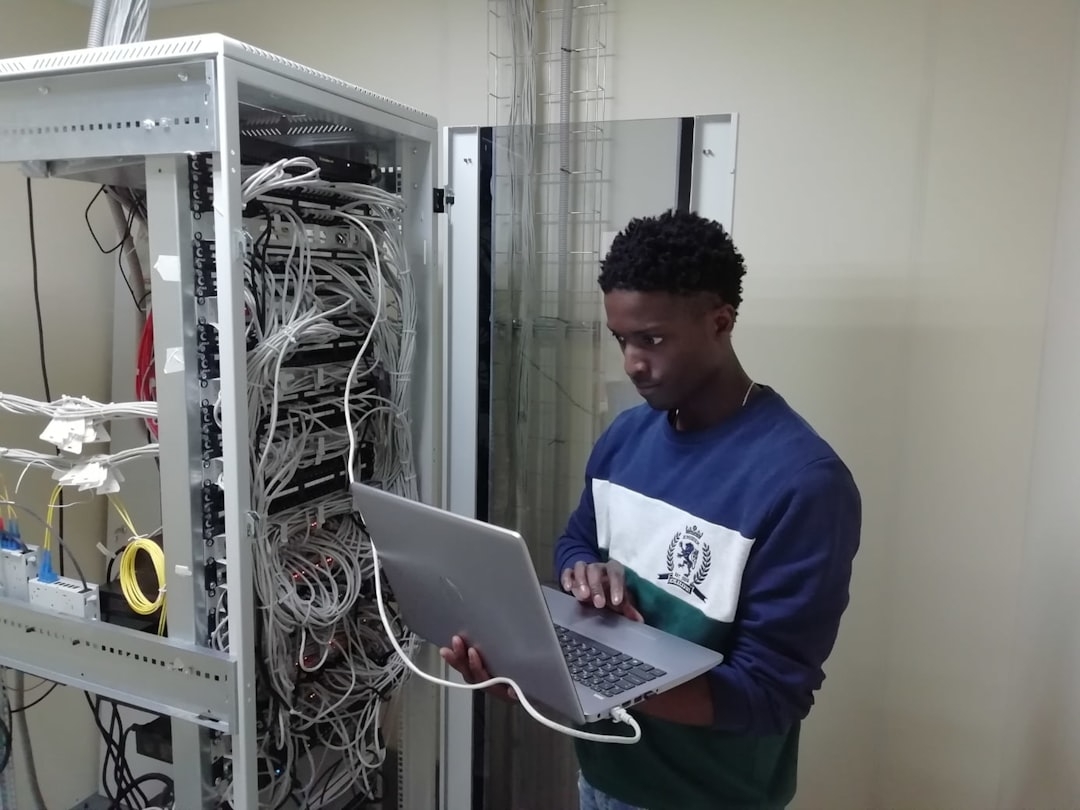
At its core, AI infrastructure involves massive data centers filled with powerful servers equipped with GPUs (graphics processing units), TPUs (tensor processing units), and other AI-optimized chips. These components speed up the heavy computations AI models require.
Here’s the breakdown:
- Data Centers: Physical locations housing thousands of servers, GPUs, and networking equipment.
- Specialized Hardware: GPUs and TPUs designed to accelerate the parallel processing needed for AI calculations.
- Cloud Platforms: Services offered by companies like Microsoft Azure and Google Cloud that provide scalable, on-demand computing power.
- Networking and Storage: High-speed networks and solid-state storage that enable rapid data transfer and efficient access.
For example, Meta’s investments target building AI supercomputers that streamline training large language models. Similarly, OpenAI’s partnerships with Microsoft leverage Azure’s infrastructure to run their breakthrough AI projects.
What Are the Biggest AI Infrastructure Deals Right Now?
Several headline-grabbing deals illustrate the scale of the AI infrastructure boom:
- Meta: Committed over $10 billion to build its own AI supercomputer, designed for large-scale machine learning.
- Microsoft: Invested several billion dollars in OpenAI and expanded Azure’s AI computing capacity.
- Google: Continued developing its TPU chips and boosted its cloud AI offerings.
- Oracle: Announced multi-billion dollar contracts to enhance cloud capabilities for AI workloads.
- OpenAI: Beneficiary of multi-billion dollar funding and infrastructure deals, particularly via Microsoft.
These investments highlight how the race to develop AI is as much about infrastructure as it is about novel algorithms.
Common Mistakes When Planning AI Infrastructure
Many companies assume that simply buying more GPUs or subscribing to cloud services guarantees AI success. This oversimplification often leads to expensive bottlenecks or underutilized resources.
- Overprovisioning Hardware: Buying excessive hardware without clear workload demands leads to wasted capital.
- Ignoring Data Bottlenecks: Neglecting data pipeline speeds causes training slowdowns.
- Underestimating Networking Needs: Overloaded network architecture can cripple model performance.
- Failing to Optimize Workloads: Not customizing infrastructure to specific AI tasks results in inefficiencies.
Real-world deployments often hit these pitfalls, so careful planning and monitoring are essential.
Why Do These Billion-Dollar Deals Matter to You?
The AI infrastructure boom is more than corporate spending—it directly impacts the AI features and products you interact with daily. The amount spent sets the pace of breakthroughs in language models, computer vision, and generative AI. Better infrastructure means:
- Faster AI model training and iteration
- More powerful and responsive AI applications
- Lower latency for AI services
- Scalability that can serve millions of users simultaneously
Whether you use AI in business, search, personal assistants, or creative tools, these infrastructure investments enable richer, real-time AI experiences.
How Can You Navigate AI Infrastructure Challenges?
Are you considering implementing AI in your projects? Here are some guiding principles gleaned from observing the industry:
- Assess Your Needs Accurately: Understand the AI workloads and choose infrastructure accordingly.
- Leverage Cloud Providers: Instead of buying all hardware upfront, utilize scalable cloud AI services from trusted vendors.
- Plan for Data Movement: Ensure your data pipelines and networks can handle high-throughput demands.
- Monitor and Optimize: Continuously track performance and adjust resources to avoid waste.
Remember, AI infrastructure is not one-size-fits-all—it requires active management and adaptation.
When Should You Invest in Dedicated AI Infrastructure?
Smaller projects can benefit from cloud solutions, but as AI models scale or latency becomes critical, dedicated infrastructure investments grow attractive. Companies with steady AI workloads or regulatory data requirements often build on-premises or hybrid AI infrastructure.
What Are the Trade-Offs of Cloud Versus On-Premises Infrastructure?
Cloud provides flexibility and reduced upfront cost, but risks include vendor lock-in and unpredictable ongoing expenses. On-premises infrastructure offers control and potential cost savings long term but demands capital investment and maintenance expertise.
Final Thoughts: The Infrastructure Behind AI’s Future
The billion-dollar AI infrastructure deals are not just flashy headline news—they represent the foundational capabilities pushing AI forward. The immense technical complexity and expense underscore why only leading tech companies can currently drive cutting-edge AI development at scale.
For those deploying AI in practice, understanding infrastructure limitations and costs is critical. Balanced investments in hardware, networking, and compute, tailored to project needs, ensure smoother implementation and better results.
To get started, evaluate your AI workload demands, explore cloud options, and design a data pipeline simplification task. Within 20-30 minutes, you can identify immediate bottlenecks or excess resources, putting your AI project on a path toward efficient scaling.
Technical Terms
Glossary terms mentioned in this article








Comments
Be the first to comment
Be the first to comment
Your opinions are valuable to us