
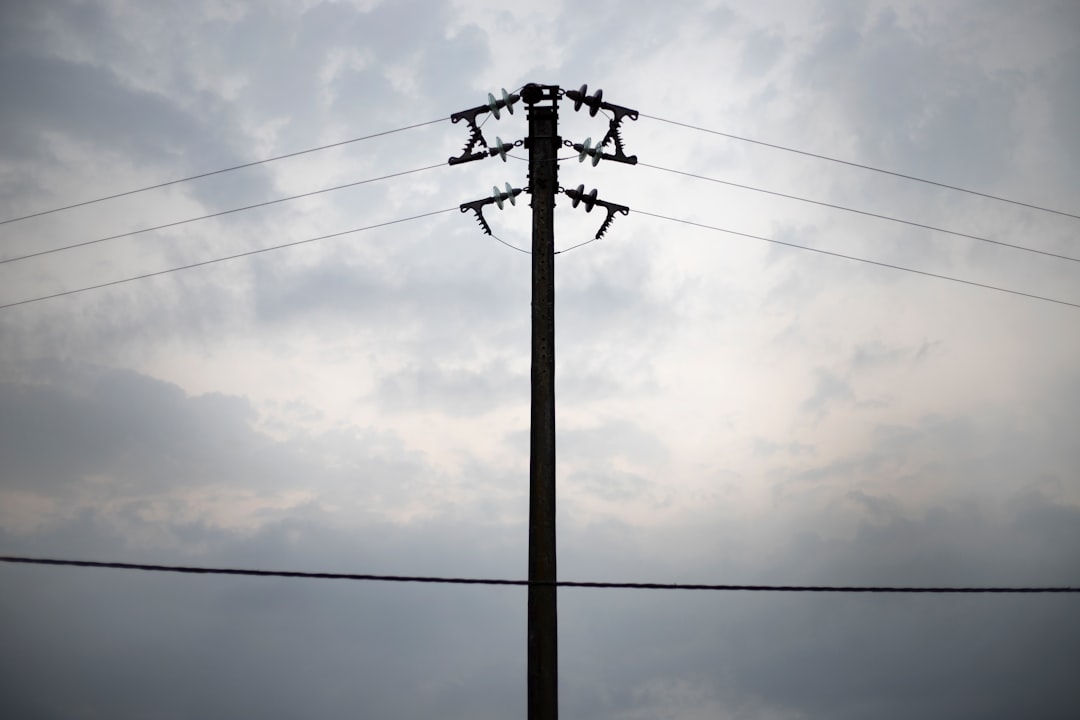
Are AI companies prepared to absorb increasing electricity costs as power rates rise sharply? This pressing question comes amid recent calls from the White House encouraging AI businesses to cover these hikes proactively. Many of the largest hyperscalers have publicly committed to doing just that, aiming to avoid passing extra costs to clients or slowing technological progress.
Why Is the White House Asking AI Firms to Cover Rate Hikes?
The increasing demand for AI processing power drives significant electricity consumption globally. As energy prices surge, particularly in the U.S., energy cost inflation threatens to inflate operational budgets for major AI providers. The White House’s request reflects a desire to shield consumers and the broader tech ecosystem from sudden price shocks.
Electricity costs are a major component of running AI infrastructure, including data centers housing GPUs and servers. These hyperscalers—companies operating at vast scale like Microsoft, Google, and Amazon Web Services—consume megawatts of power daily.
What Does It Mean for AI Companies?
The key challenge for these AI providers is balancing cost management with sustaining massive computing workloads. Many hyperscalers have taken the public stance that they will absorb rate increases rather than hike prices for cloud or AI services. This commitment aims to maintain competitiveness and ensure uninterrupted AI innovation.
However, this absorption is not costless. Firms must optimize operational efficiency, invest in energy-saving technology, or find ways to hedge energy price risks. If not managed properly, rising costs could indirectly slow AI projects or shift investment priorities.
How Do AI Operating Costs Respond to Electricity Rate Changes?
Understanding the dynamics between electricity prices and AI service costs helps to grasp the trade-offs. Electricity expenses are a fixed but scalable cost—the more AI workloads run, the more power is consumed. As rates rise, expenses increase linearly unless efficiency gains offset them.
Many hyperscalers employ renewable energy contracts, advanced cooling, and hardware optimizations to keep power consumption lower per compute unit. Despite these, sudden rate hikes impact their cost base.
Can Passing Costs to Customers Be Avoided?
Most of these companies prefer not to transfer electricity cost rises directly to customers, avoiding turbulence in pricing models. Instead, they try absorbing costs temporarily while planning longer-term adjustments.
This strategic approach depends on various factors:
- Scale Economies: Hyperscalers wield negotiation power with energy providers.
- Energy Efficiency: Innovations in server design can reduce power usage.
- Contract Flexibility: Fixed-price contracts with utilities can buffer rate fluctuations.
- Renewable Energy: Green energy contracts can stabilize or lower costs over time.
What Are the Risks If AI Companies Don’t Cover Rate Hikes?
If AI firms passed increases straight to customers, it could slow adoption or reduce usage, especially for smaller companies relying on cloud AI services. This would ripple through the AI economy, potentially stalling innovation.
On the other hand, prolonged cost absorption by hyperscalers may impact profitability or delay investments in infrastructure upgrades. This illustrates the difficult trade-offs companies face in balancing affordability with sustainability.
Why Is This More Than Just a Pricing Issue?
Electricity cost rises highlight the environmental and economic interdependencies of AI technology. As AI workloads grow significantly, powering this AI future requires responsible resource management and strategic planning. The White House’s push emphasizes government interest in securing a balanced ecosystem where innovation flourishes without undue economic strain on society.
What Can AI Companies Do to Prepare?
From my experience working in cloud infrastructure, the following approaches have shown promising results for handling sudden electricity cost spikes:
- Investing in efficient server hardware to get more computations per watt.
- Increasing reliance on renewable energy to stabilize energy expenses.
- Negotiating long-term power purchase agreements that cap energy prices.
- Incorporating flexible workload scheduling to shift compute to cheaper off-peak hours.
- Designing software that makes better use of existing resources to reduce waste.
These strategies create resilience in the face of fluctuating energy markets without shifting burdens onto customers immediately.
How Should Decision Makers Evaluate Their Options?
Not every company has the scale or in-house expertise to manage energy risks the same way. Smaller AI providers might need to carefully budget for potential cost increases, consider partnering with hyperscalers, or invest in energy-saving software optimizations.
Decision matrices evaluating factors like energy sourcing, contract terms, customer sensitivity, and technological investments can help make these trade-offs clearer.
Key Takeaways on AI and Electricity Cost Hikes
The White House's request spotlighted the real impact of rising electricity prices on AI firms. Most hyperscalers have responded by promising to absorb these costs, illustrating a preference for customer stability over immediate profit protection.
However, this strategy is complex and contingent on operational excellence, efficient energy use, and strategic planning. For AI companies—large or small—managing electricity expenses is a vital part of sustaining growth without disrupting service accessibility.
In the coming years, expect energy cost management to become a core competency in AI infrastructure strategy, alongside algorithmic and software advancements.
Actionable Checklist: How to Choose Your AI Cost Management Approach
- Assess your current energy cost exposure and contract terms.
- Analyze workload timing flexibility for possible off-peak scheduling.
- Evaluate opportunities to use renewable energy or purchase long-term energy contracts.
- Audit server and software efficiency to identify power-saving improvements.
- Estimate customer sensitivity to potential price shifts.
- Decide if cost absorption is sustainable or if price adjustments must be phased in.
- Develop contingency plans for unexpected rate hikes.
Completing this checklist within 15-25 minutes can clarify your position and guide early strategic decisions in an evolving energy cost landscape.
Technical Terms
Glossary terms mentioned in this article











Comments
Be the first to comment
Be the first to comment
Your opinions are valuable to us