
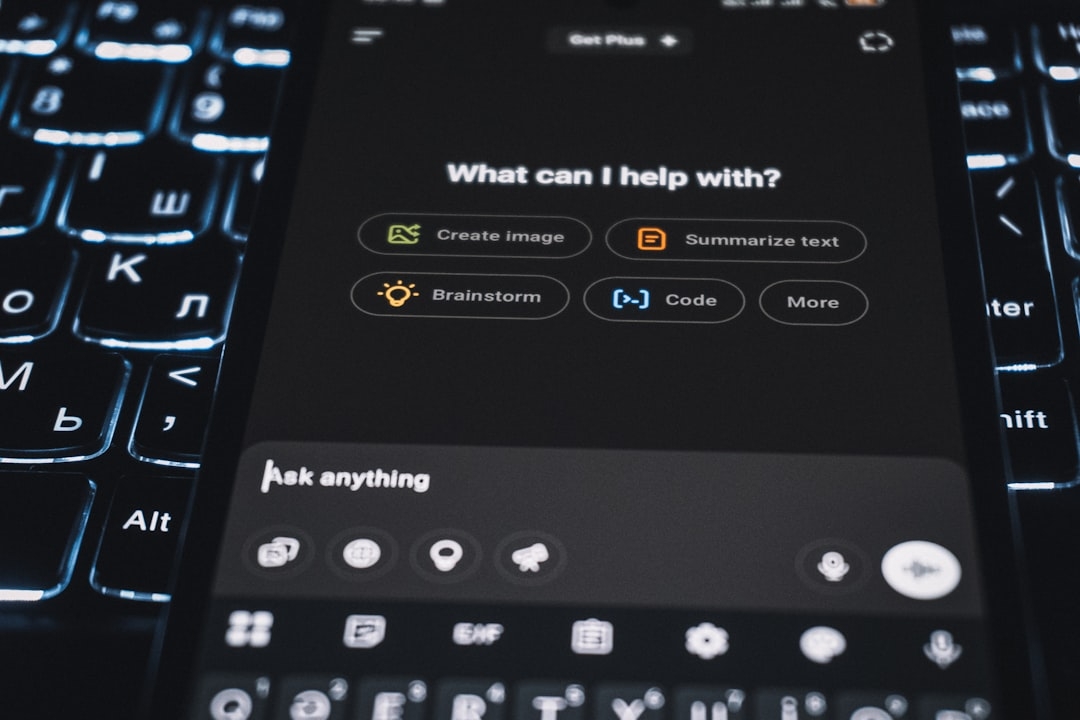
In the fast-moving world of artificial intelligence startups, a notable shift is occurring: venture capitalists (VCs) who have previously invested in OpenAI are now also funding its competitor Anthropic. At least a dozen such dual investors have emerged recently, raising questions about the old rules of investor loyalty and ethical conflict of interest in this high-stakes arena.
This trend reflects how rapidly the AI economy is evolving and highlights complexities in how investors balance opportunities across competing companies. It also exposes the tension between longstanding industry ethics and the pressing urgency to capitalize on AI’s explosive growth.
What Does Dual Investment Mean in the AI Startup World?
Dual investment occurs when a single VC firm backs two competitors in the same market or industry. This practice used to be taboo in many sectors because it poses a clear conflict of interest—you have inside insight into two rival companies' strategies, technologies, and growth plans.
But in AI, the terrain is shifting. OpenAI and Anthropic are two leading generative AI organizations pushing boundaries with large language models and safety research. Their work overlaps, but the technology race also demands enormous capital, making it attractive for VCs to hedge bets across both ventures.
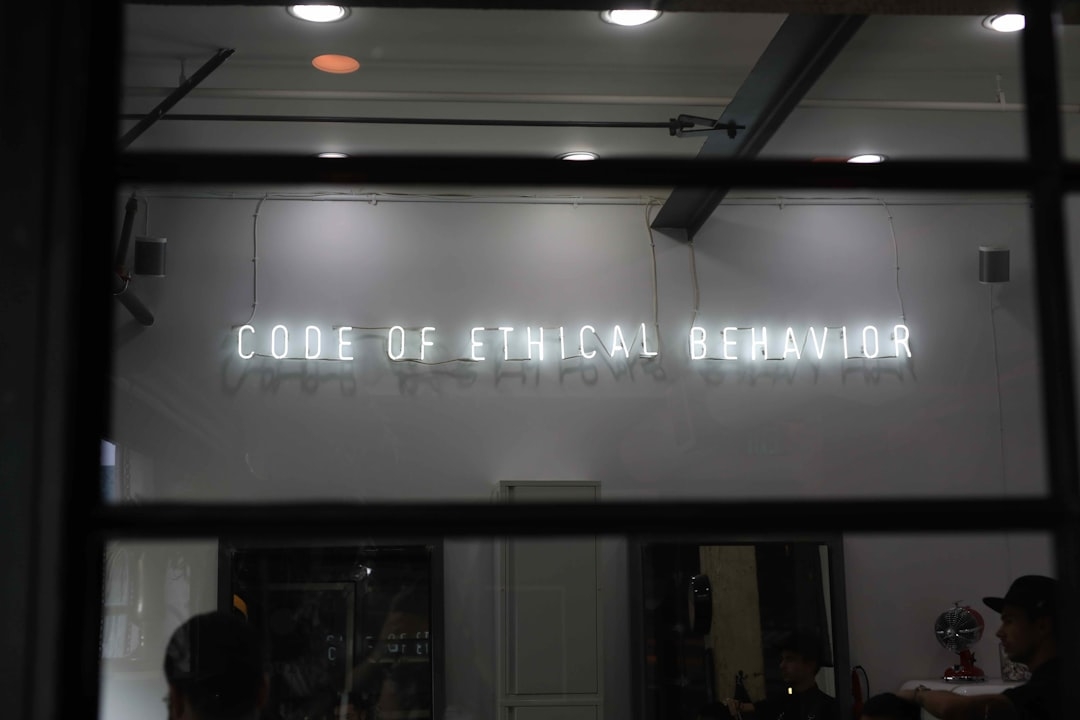
Conflict of interest here refers to a situation where an investor’s ability to act impartially is compromised because it has stakes in competing companies. Historically, VCs often avoided these scenarios to maintain trust and transparency.
Why Are Investors Now Backing Both OpenAI and Anthropic?
The move to dual investments is driven by multiple factors. One practical reason is the massive capital required to support cutting-edge AI research. Investors want exposure to the most promising companies without putting all their eggs in one basket.
Another reason is the evolving nature of AI startups. Unlike traditional industries, AI innovation is fast and complex. Early bets may not guarantee long-term winners, so investors diversify. In some cases, VCs share aligned visions around AI safety and ethics, making them comfortable supporting multiple initiatives simultaneously.
However, this has surprised many insiders. Some dual investors were expected, such as firms with broad AI portfolios. Yet others were more shocking because they violated previously accepted ethical norms. This shift suggests that the conventional conflict-of-interest rules may be losing ground in fast-paced AI funding environments.
Common Mistakes in Understanding Dual Investments
- Assuming all investors act with strict loyalty: In AI, many VCs prioritize financial returns and innovation exposure above traditional exclusivity.
- Confusing ethical conflict with practical business strategy: While the ethics of dual investments are debated, the strategic reasoning often revolves around managing investment risk.
- Overestimating the influence of ethical rules: In reality, the enforcement of conflict-of-interest norms varies and can be flexible depending on market dynamics.
How Does This Change the AI Investment Landscape?
Dual backing complicates relationships between startups and their backers. OpenAI and Anthropic's competition means sensitive proprietary information might be indirectly accessible through shared investors, which could undermine competitive advantages.
On the other hand, it allows investors to encourage collaboration or cross-pollination of ideas, possibly accelerating AI safety and innovation. This highlights a delicate balance between ethical considerations and practical business incentives in AI venture funding.
When Should Investors Avoid Dual Backing?
Some scenarios suggest that backing direct competitors should be avoided, especially when:
- The companies are in early stages with overlapping sensitive research.
- There are strong exclusivity agreements or confidentiality clauses.
- The risk of proprietary technology leak is high.
- Investor reputation is closely tied to one company’s success.
Understanding these factors helps investors make ethical and strategic funding decisions amid AI's evolving landscape.
What Can Startups Learn from This Investor Behavior?
From a founder’s perspective, being backed by investors with stakes in competitors means navigating complex loyalties and managing information flow carefully. Trust and clear communication are critical to ensuring investors support your company’s unique mission without internal conflicts.
It also stresses the importance of thorough due diligence when choosing investors. Founders should consider the potential implications of shared investors with direct rivals and develop strategies to protect sensitive assets.
Common Pitfalls Founders Face
- Assuming all investors' goals are aligned with the startup’s long-term vision.
- Neglecting the impact of investor relationships on competitive strategy.
- Failing to build safeguards for proprietary knowledge sharing between rivals.
What Experiment Can You Try to Witness Dual Investment Dynamics?
Find two competing AI startups publicly backed by the same VC firm. Research their funding rounds and investors' portfolio overlap. Analyze press releases or interviews for any mention of adjusted collaboration or conflict handling. This exercise will give you firsthand insight into how dual investments shape strategic decisions and potential conflicts.
Observing how these companies position themselves publicly despite shared backing helps unpack the nuances of investor loyalty—or its fading presence—in AI’s competitive ecosystem.
Technical Terms
Glossary terms mentioned in this article





Comments
Be the first to comment
Be the first to comment
Your opinions are valuable to us