

India’s ambition to build a robust domestic AI infrastructure is gathering momentum thanks to a major financial boost. Blackstone, a global investment firm, is backing Neysa with up to $1.2 billion in financing to accelerate the deployment of AI compute resources within the country. This move is timely as demand for local AI computing capacity accelerates rapidly, positioning India on a path to greater technological independence.
Why Is Building Domestic AI Infrastructure Crucial for India?
Imagine relying on a distant power grid to fuel your home. If the connection is slow or unstable, your appliances won’t work efficiently. Similarly, when AI companies depend on overseas computing resources, latency, privacy, and data sovereignty issues limit performance and security. India recognizes this challenge and is focusing on creating local AI compute infrastructure capable of powering next-generation applications across industries.
By investing in a localized AI ecosystem, the country aims to empower startups, enterprises, and research institutions with faster, more secure access to high-performance computing. This also reduces reliance on foreign cloud service providers, an important factor amid global geopolitical uncertainties.
What Exactly Is Neysa’s Role in This AI Infrastructure Drive?
Neysa is positioning itself as a critical enabler by targeting deployments exceeding 20,000 GPUs over time. GPUs, or Graphics Processing Units, are specialized processors designed to handle the massive parallel computations AI workloads require. While CPUs handle general computing tasks, GPUs accelerate intensive tasks such as training AI models and processing large datasets.
This scale of GPU deployment signals Neysa’s plan to build a large-scale AI compute platform that caters to an entire ecosystem of AI developers and enterprises across India.
How Does The $1.2 Billion Financing Impact The AI Landscape?
Blackstone’s commitment injects significant capital into Neysa, providing the financial muscle needed to acquire, install, and maintain thousands of GPUs. This funding supports not only hardware investments but also the necessary software stack and infrastructure to manage these computing resources efficiently.
Think of this as building a new highway system for AI data traffic, ensuring smooth, low-latency access and processing power. Without such investment, scaling AI infrastructure can become prohibitively expensive and slow to materialize.
How Does Local AI Compute Deployment Differ from Traditional Cloud Models?
Unlike conventional cloud services that often centralize resources in a few global data centers, Neysa’s approach emphasizes localized deployments that better serve India's unique demands. This reduces physical distance between users and servers, decreasing latency—the delay before a transfer of data begins—and enhancing real-time AI applications.
Moreover, local deployments facilitate compliance with India’s data protection regulations, ensuring sensitive data remains within national borders and is subject to local governance.
What Are the Challenges When Scaling AI Compute Locally?
- Hardware acquisition and maintenance: Procuring tens of thousands of GPUs in a global chip shortage environment is a complex task.
- Energy consumption: High GPU usage demands significant power, necessitating efficient energy management strategies.
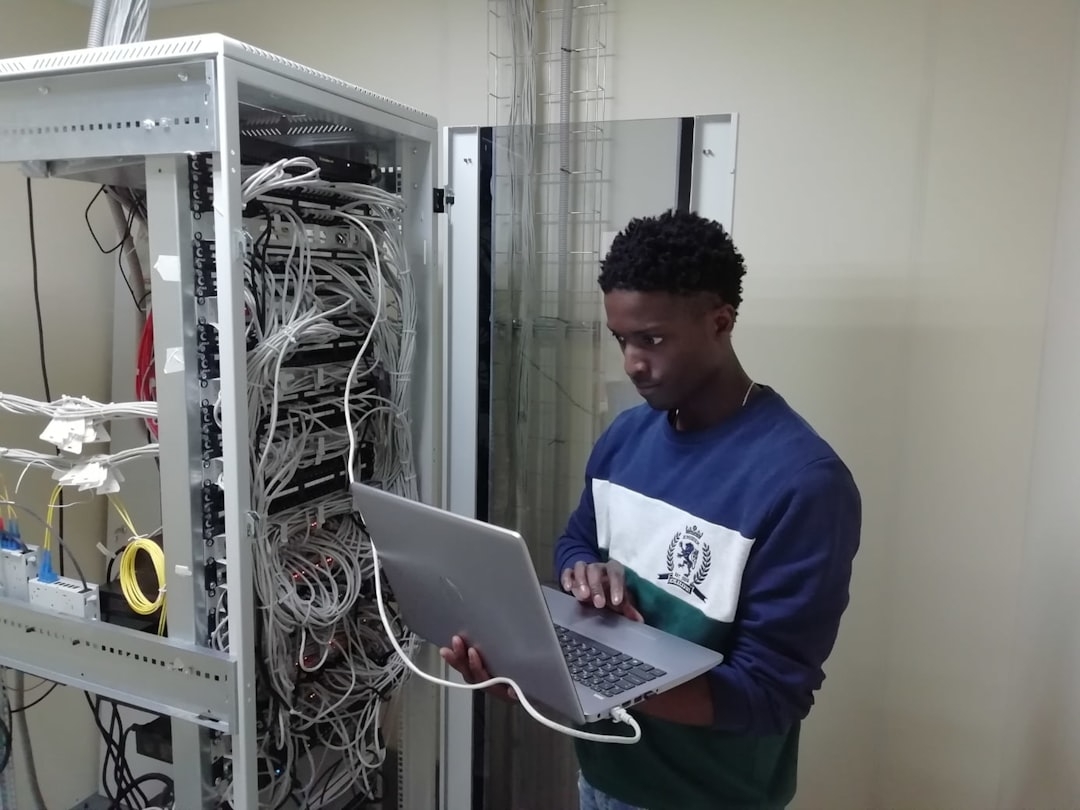
- Networking infrastructure: Robust connectivity is crucial to interconnect the compute clusters and users effectively.
- Talent and operations: Skilled personnel are required to manage, optimize, and secure the infrastructure.
Addressing these challenges requires massive financial support and strategic execution, both of which Blackstone’s investment aims to enable.
What Could This Development Mean for India’s AI Ambitions?
By creating domestic AI infrastructure at scale, India could leapfrog several stages in its digital transformation journey. Enterprises will get faster AI compute access to innovate in sectors like healthcare, finance, and manufacturing. This can foster homegrown AI startups and encourage global companies to build localized solutions suited for Indian markets.
More importantly, this initiative signals India’s seriousness in claiming its spot in the global AI race, reducing dependencies on external providers and enhancing technological self-reliance.
When Should Businesses Consider Leveraging This New Infrastructure?
Companies aiming to implement AI solutions with demanding performance, data privacy, or latency requirements should actively monitor and explore opportunities through Neysa’s platform as it scales. Early adopters can gain competitive advantages by tapping into high-power computing closer to their operational base.
How Can You Evaluate If This Infrastructure Fits Your AI Needs?
Consider the following criteria when assessing local AI compute options:
- Latency Requirements: Does your AI application need real-time responsiveness?
- Data Sensitivity: Do regulations or privacy concerns mandate data to stay within national borders?
- Scale of Compute: Does your workload require extensive GPU resources versus smaller-scale cloud offerings?
- Integration Ease: How compatible is the infrastructure with your existing AI development tools and workflows?
Answering these questions helps determine if deploying on Neysa’s AI platform delivers measurable benefits over alternative options.
What Lessons Can Be Drawn from Similar Initiatives Elsewhere?
Countries investing in domestic AI hardware infrastructure, like China and parts of Europe, underline the importance of strategic financing combined with ecosystem development. However, these projects often struggle without clear operational expertise, appropriate scale, or strong partnerships.
Ultimately, the success of India’s AI infrastructure will depend not just on funds, but on how effectively local projects, industry players, and government policies align. Building 20,000+ GPU deployments is a major step forward but requires ongoing attention to operational challenges and evolving AI needs.
Final Thoughts: How to Quickly Evaluate AI Infrastructure Opportunities
Given the rapid changes in AI computing capabilities and market demands, applying a quick evaluation framework can help organizations determine fit:
- Define your AI workload characteristics: volume, latency, data sensitivity.
- Map current infrastructure gaps versus local AI compute offerings.
- Assess financial and operational feasibility to adopt new infrastructure.
- Prioritize pilots with clear KPIs to validate performance and cost benefits.
By spending 10-20 minutes on this checklist, businesses can make better-informed decisions on engaging with Neysa-backed AI infrastructure and position themselves advantageously as the landscape evolves.
Technical Terms
Glossary terms mentioned in this article


Comments
Be the first to comment
Be the first to comment
Your opinions are valuable to us