
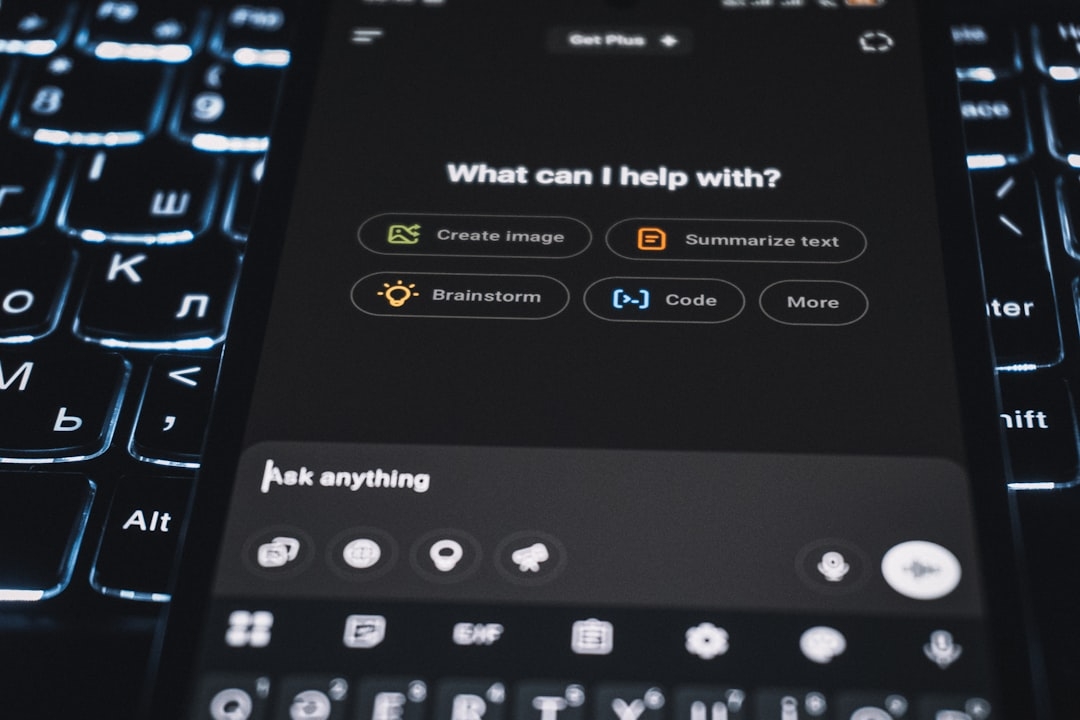
Many assume that companies requesting contractors to share previous work is a harmless routine to evaluate skills or gather data. However, OpenAI's recent approach to ask contractors to upload real work from past jobs has sparked concerns from legal experts about potential intellectual property (IP) risks.
Understanding this controversy is crucial not just for contractors involved but also for businesses wanting to protect proprietary information. Here, we break down what’s happening, why it matters, and how to navigate such delicate IP issues in AI workflows.
Why is OpenAI Asking Contractors to Upload Past Work?
OpenAI reportedly instructs some contractors to provide samples of work they've done before. The aim seems straightforward: evaluate skill level, ensure quality, or possibly to train or fine-tune AI models. But this method raises red flags, one of which concerns the ownership and confidentiality of the provided work.
In intellectual property law, the original creator or their employer generally holds rights to completed work, especially when produced under contract or employment. By asking to upload this work, OpenAI may inadvertently receive material it isn't legally entitled to use.
What Are the Intellectual Property Risks?
According to a seasoned intellectual property lawyer, this practice “puts OpenAI at great risk.” Here’s why:
- Unauthorized Use: If contractors submit proprietary work without permission from their previous employers or clients, this can lead to IP infringement claims.
- Loss of Confidentiality: Past work may contain trade secrets or confidential data, exposing sensitive information.
- Legal Liability: OpenAI could face lawsuits if such materials were used in AI training without proper licensing or consent.
Think of it like borrowing a neighbor’s car without asking—you might drive fine, but the owner could sue for damages or unauthorized use. Similarly, using someone else’s work improperly can create costly legal entanglements.
How Does Intellectual Property Law Apply Here?
Intellectual property law governs creations of the mind such as software code, designs, written content, and inventions. A contractor’s past work almost always belongs to the employer or client who commissioned it. Unless explicitly allowed, sharing or using this work outside the original agreement is often illegal.
Therefore, contractors uploading prior work samples when hired by OpenAI could expose both parties to legal trouble if ownership isn’t properly addressed upfront. This situation showcases the tension between gathering data to improve AI and respecting existing IP rights.
When Should Companies Avoid Requesting Past Work?
Often, companies ask for past work to verify candidates’ skills, but that should never conflict with IP rights. Here are guidelines for safer practices:
- Request non-proprietary samples or personal projects instead of actual client work.
- Ensure contractors have explicit permission to share the submitted material.
- Use confidentiality agreements and clear contracts to define ownership and allowed usage.
- Prefer tasks where contractors create new, original work specifically for evaluation.
What Are the Alternatives to Using Past Work?
Instead of relying on contractors’ past projects, companies can:
- Conduct live coding interviews or simulated tasks.
- Request anonymized or sanitized code samples that remove sensitive info.
- Use standardized test platforms or skill assessments.
These approaches protect the intellectual property of previous employers, reduce legal risks, and still provide insight into the candidate’s abilities.
Practical Examples Showing the Risks
Example 1: A Developer Shares Proprietary Code
A contractor submits code developed for a former client without permission. OpenAI integrates parts into their training, unknowingly infringing on the client’s IP rights, exposing itself to potential lawsuits for unauthorized use.
Example 2: Confidential Data Leaks
A past project contains confidential client information embedded in write-ups or data sets. Uploading these as samples exposes sensitive business secrets, violating confidentiality agreements and jeopardizing client trust.
Example 3: Skill Assessment Gone Wrong
Instead of using past work, OpenAI could assign new coding challenges aligned with the role. This avoids IP issues while fairly evaluating contractor skills, supporting safe and compliant hiring practices.
How Can You Protect Yourself and Your Company?
If you're a contractor or company in a similar situation, consider these steps:
- Clarify ownership of any work you submit.
- Avoid sharing materials containing third-party confidential info.
- Ask for clear contracts outlining IP use rights.
- Use secure platforms that limit distribution or copying of sensitive data.
What Should You Do If Asked to Submit Past Work?
Before uploading any previous projects, verify that you have rights to share them. When in doubt, request to provide anonymized samples or redo projects specifically for the evaluation. This preserves your professional ethics and avoids putting your new employer or OpenAI in legal jeopardy.
Summary and Next Steps
OpenAI’s request for contractors to upload real past work highlights a complex intersection of skill evaluation, AI training needs, and intellectual property law. The risks are real: unauthorized sharing can expose all involved to legal challenges and damage reputations.
Companies seeking talent or data must respect IP boundaries. Contractors must protect their and their previous clients’ work. Transparency, proper permissions, and safe evaluation practices are essential to avoid pitfalls in this evolving space.
Your 20-Minute Action Plan
Next time you're asked to upload past work:
- Review the ownership of your work carefully.
- Check contracts or client agreements for sharing permissions.
- If allowed, remove or anonymize all confidential or proprietary info.
- If unsure, seek advice from a legal expert or your company’s legal team.
- Offer to complete a new, original test project as an alternative.
This quick audit protects you and the company, helping you avoid intellectual property troubles while proving your skills effectively.
Technical Terms
Glossary terms mentioned in this article






Comments
Be the first to comment
Be the first to comment
Your opinions are valuable to us